115 info violence form 2026

Get Form
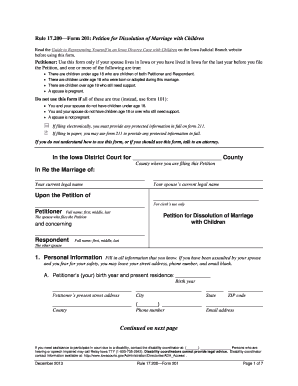
115 info Preview on Page 1

Here's how it works

01. Edit your 115 info online
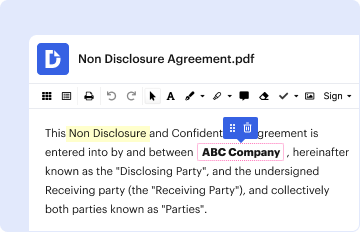
Type text, add images, blackout confidential details, add comments, highlights and more.
02. Sign it in a few clicks
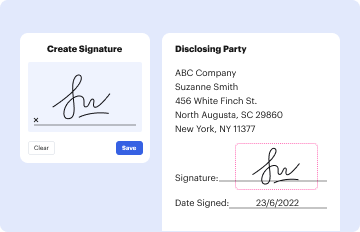
Draw your signature, type it, upload its image, or use your mobile device as a signature pad.
03. Share your form with others
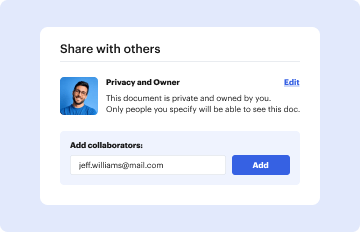
Send it via email, link, or fax. You can also download it, export it or print it out.

How to use or fill out 115 info violence form with our platform

Form edit decoration
9.5
Ease of Setup
DocHub User Ratings on G2
9.0
Ease of Use
DocHub User Ratings on G2
  1. Click ‘Get Form’ to open the 115 info violence form in the editor.
  2. Begin by filling out all required fields on the form, ensuring that you provide accurate information regarding your request for a new court date.
  3. Complete items 1 through 2 on the accompanying Order on Request to Continue Hearing form. This is crucial for the judge's review.
  4. Submit your completed forms to the court clerk as per local procedures. Confirm with them how to ensure your papers are reviewed by the judge.
  5. After submission, check back with the clerk’s office to see if your request has been granted and if a new court date has been assigned.
  6. File both forms SV-115 and SV-116 with the clerk, ensuring you receive file-stamped copies for your records.
  7. Serve copies of the court papers to the other party as outlined in item 6 of form SV-116, and ensure proof of service is completed and filed before your court date.
  8. On your scheduled court date, bring at least two copies of all documents, including proof of service, for presentation in court.

Start using our platform today to easily fill out and manage your 115 info violence form online for free!

See more 115 info violence form versions

We've got more versions of the 115 info violence form form. Select the right 115 info violence form version from the list and start editing it straight away!
Versions Form popularity Fillable & printable
2020 4.8 Satisfied (67 Votes)
2016 4.4 Satisfied (272 Votes)
be ready to get more

Complete this form in 5 minutes or less

Get form

Got questions?

We have answers to the most popular questions from our customers. If you can't find an answer to your question, please contact us.
Contact us
Take the Lethality Assessment Has the physical violence increased in severity or frequency over the past year? Does he own a gun? Have you left him after living together during the past year? Have you NEVER lived with him? Is he unemployed? Has he ever used a weapon against you or threatened you with a lethal weapon?
The DA-LE contains 11 questions: (1) Has the physical violence increased in severity or frequency over the past year? (2) Have you left him/her after living together in the past year? (3) Does he/she control most or all of your daily activities? (4) Has he/she tried to you? (5) Has he/she ever threatened
Types of domestic and family violence Coercive control or controlling behaviour. Physical violence. Sexual violence. Image-based abuse. Emotional or psychological abuse. Verbal abuse. Social abuse. Spiritual, religious or cultural abuse.
RCW 26.50. 010(3) defines domestic violence as one of the following crimes: assault, bodily injury, physical harm (or inflicting a fear of imminent assault, bodily injury, or physical harm), sexual assault, or stalking of an intimate partner by another intimate partner.
Do arguments ever result in hitting, kicking or pushing? Do you ever feel frightened by what your partner says or does? Has your partner ever abused you physically? Has your partner ever abused you emotionally?
be ready to get more

Complete this form in 5 minutes or less

Get form

People also ask

Some examples of good questions to ask include: What do you think is important for people to know? How has this experience affected you? What services/resources/people helped you in your recovery? What made it difficult for you to come forward?
The NCADV is a grassroots, tax-exempt membership organization which works to stop violence against women and children. Established in 1978, NCADV is the only national organization of shelters and support services for battered women and their children.

Related links