




Here's how it works
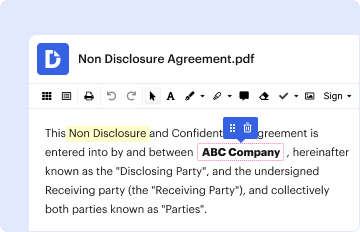
01. Edit your jdno notice online
Type text, add images, blackout confidential details, add comments, highlights and more.
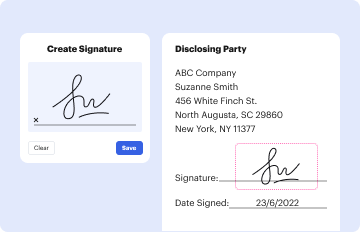
02. Sign it in a few clicks
Draw your signature, type it, upload its image, or use your mobile device as a signature pad.
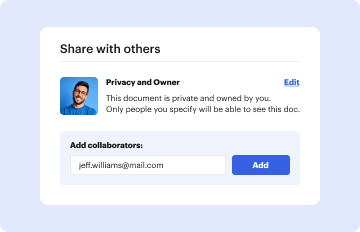
03. Share your form with others
Send jdno notice ct via email, link, or fax. You can also download it, export it or print it out.
How to use or fill out First order of notice upon attachment of estate of nonresident - jud ct with our platform

- Click ‘Get Form’ to open it in the editor.
- Begin by entering the 'DATE' at the top of the form, which indicates when the notice is being issued.
- Fill in the 'DOCKET NO.' and 'CASE NAME' fields to identify your specific case.
- In the 'NOTICE TO:' section, list all defendants named in the complaint. Ensure that their names and addresses are accurate.
- Indicate whether each defendant resides out of state or if their residence is unknown, as this affects how notice will be served.
- Complete the instructions for serving notice, including details on mailing and publication requirements. Specify dates where indicated.
- Finally, ensure that a judge or assistant clerk signs off on the document before submission.
Start using our platform today to streamline your document editing and signing process for free!
Fill out First order of notice upon attachment of estate of nonresident - jud ct online
It's free
It's free
See more First order of notice upon attachment of estate of nonresident - jud ct versions
We've got more versions of the First order of notice upon attachment of estate of nonresident - jud ct form. Select the right First order of notice upon attachment of estate of nonresident - jud ct version from the list and start editing it straight away!
Got questions?
We have answers to the most popular questions from our customers. If you can't find an answer to your question, please contact us.
Contact us
What are the grounds for a motion to dismiss in CT?
These grounds can include, but are not limited to: forum non conveniens, meaning it is more appropriate for another court to hear the case; prior pending action, meaning a case between the parties on the same matter is already happening; or in a medical malpractice case the Certificate of Good Faith not being properly
What happens if a defendant does not pay a judgment in CT?
There are three types of Executions that you can seek to levy against a defendant that has not paid as ordered in a judgment. There are Property Executions, Wage Executions, and Financial Institution or Bank Executions.
How do I file a small claims suit in Connecticut?
How do I start a small claims case? Use the court form Small Claims Writ and Notice of Suit (form JD-CV-40). Type or neatly print your information on the forms. Read the Instructions to Plaintiff section on form JD-CV-40 to help you complete the Small Claims Writ and Notice of Suit.
How long does a judge have to rule on a motion in CT?
At the hearing, the judge or magistrate will hear the arguments for and against the motion. He or she may issue a ruling or order at that time from the bench, or he or she may issue a written ruling or order within 120 days following the hearing.
How to serve a small claims writ and notice of suit in CT?
By priority mail with delivery confirmation: fill out a Small Claims Writ and Notice of Suit, JD-CV-40, and attach any related documents you wish to file with the Writ; keep the original Writ and documents and mail a copy of the Writ and documents, and the Instructions to Defendant, form JD-CV-121, to each defendant.
Security and compliance
At DocHub, your data security is our priority. We follow HIPAA, SOC2, GDPR, and other standards, so you can work on your documents with confidence.
Learn more


Related forms

Lien waiver form pdf
The document is a Partial Waiver and Release of Liens/Claims related to a construction project. It certifies that the un ...

Cor 14 3
The document is a Notice of Incorporation issued by the Companies and Intellectual Property Commission of South Africa, ...

FAAWC PATIENT PAYMENT AGREEMENT
The document is a Patient Payment Agreement for Foot & Ankle Wellness Center (FAAWC), outlining the patient's commitment ...

Late Rent Notice MONTH YEAR DATE As stated in the
The document is a template for a Late Rent Notice that landlords can use to inform tenants of overdue rent payments. It ...

Payment Options Maury County Water System
The document is a Customer Discontinue Form for a service provider, allowing customers to formally request the discontin ...
People also ask
How do I prepare for small claims court as a defendant?
You should be prepared, obviously. Know your facts. Know your figures. Know what youre demanding and if necessary, under which law you are demanding it. Submit all the documents you are going to refer to, and keep a copy of the bundle, in the same order, so you can direct the court to certain documents with ease.
What is a motion to open judgment in CT?
A motion to open is appropriately filed in response to a judgment issued after default, if you have a good cause for challenging the judgment, or if a judgment was issued with an error due to a mistake. A Motion to Open is not appropriate when you disagree with the substance or reasoning of the judgment.
What is a writ in CT?
A writ of summons and complaint (writ) is designed to provide reasonable and timely notice to a party of the existence of a civil action so the party may respond in court in ance with court procedures.