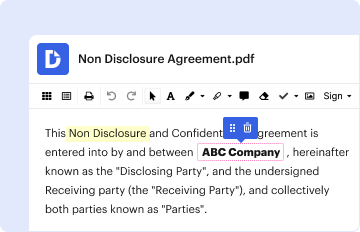
Type text, add images, blackout confidential details, add comments, highlights and more.
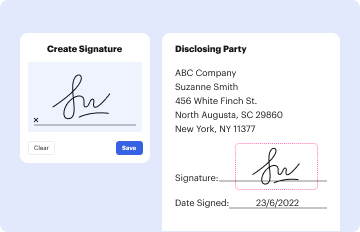
02. Sign it in a few clicks
Draw your signature, type it, upload its image, or use your mobile device as a signature pad.
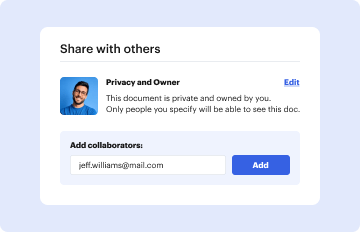
03. Share your form with others
Send it via email, link, or fax. You can also download it, export it or print it out.
How to use or fill out Answering a Complaint in Probate & Family Court - MassLegalHelp with our platform
Ease of Setup
DocHub User Ratings on G2
Ease of Use
DocHub User Ratings on G2
Click ‘Get Form’ to open it in the editor.
Begin by entering the court address at the top of the form. Ensure that you include the correct county and state information.
Fill in the names of the Plaintiff(s)/Petitioner(s) and Defendant(s)/Respondent(s) in their respective fields. This is crucial for identifying all parties involved.
Provide your contact information, including phone number, fax number, email, and attorney registration number if applicable. This ensures that all communications are directed correctly.
In the stipulation section, clearly outline any agreements between parties. Number each point for clarity and ensure both parties understand and agree to these terms.
Have all parties sign and date the document where indicated. If an attorney is involved, they should also sign in their designated area.
Finally, complete the notary section as required. This may involve having a notary public witness signatures to validate the document.
Start using our platform today to easily fill out your legal documents online for free!
Fill out Answering a Complaint in Probate & Family Court - MassLegalHelp online It's free
See more Answering a Complaint in Probate & Family Court - MassLegalHelp versions
We've got more versions of the Answering a Complaint in Probate & Family Court - MassLegalHelp form. Select the right Answering a Complaint in Probate & Family Court - MassLegalHelp version from the list and start editing it straight away!
Mass Probate and Family CourtProbate and Family Court docketMA Probate and Family Court formsEssex Probate and Family CourtSuffolk Probate and Family CourtMass Family Court case lookupMA Probate Court case lookupFamily Probate court boston
Security and compliance
At DocHub, your data security is our priority. We follow HIPAA, SOC2, GDPR, and other standards, so you can work on your documents with confidence.
File a counterclaim in the Probate and Family Court
You can file a counterclaim to any complaint filed in the Probate and Family Court except a Complaint for Contempt. If you believe the plaintiff has violatedRead more
Cookie consent notice
This site uses cookies to enhance site navigation and personalize your experience.
By using this site you agree to our use of cookies as described in our Privacy Notice.
You can modify your selections by visiting our Cookie and Advertising Notice.