Directives health care 2026

Get Form
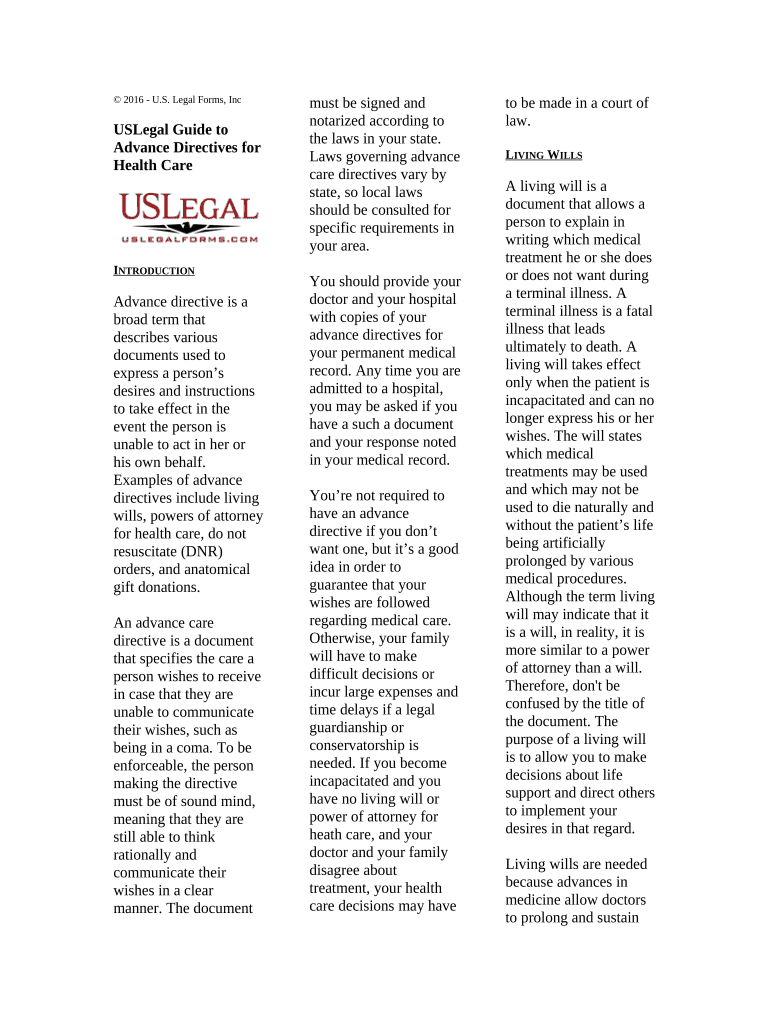
directives health care Preview on Page 1

Here's how it works

01. Edit your form online
Type text, add images, blackout confidential details, add comments, highlights and more.
02. Sign it in a few clicks
Draw your signature, type it, upload its image, or use your mobile device as a signature pad.
03. Share your form with others
Send it via email, link, or fax. You can also download it, export it or print it out.

How to use or fill out directives health care with our platform

Form edit decoration
9.5
Ease of Setup
DocHub User Ratings on G2
9.0
Ease of Use
DocHub User Ratings on G2
  1. Click ‘Get Form’ to open the directives health care document in the editor.
  2. Begin by filling out your personal information at the top of the form, including your full name, date of birth, and contact details. This ensures that your directive is properly identified.
  3. In the section for living wills, clearly state your preferences regarding medical treatments you wish to receive or refuse during a terminal illness. Be specific about life support measures.
  4. Designate a trusted individual as your power of attorney for health care. Provide their name and contact information, ensuring they understand your wishes.
  5. If applicable, complete the do not resuscitate (DNR) order section by signing and dating it. Ensure it complies with local laws by consulting relevant regulations.
  6. Review all sections carefully for accuracy and completeness before finalizing. Once satisfied, sign the document in accordance with state requirements, which may include notarization or witness signatures.

Start using our platform today to easily create and manage your directives health care documents online for free!

be ready to get more

Complete this form in 5 minutes or less

Get form

Got questions?

We have answers to the most popular questions from our customers. If you can't find an answer to your question, please contact us.
Contact us
Directive Principles of State Policy have been grouped into four categories. These are: (1) the economic and social principles, (2) the Gandhian principles, (3) Principles and Policies relating to international peace and security and (4) miscellaneous.
Each state has different rules about advance directives, but most include the same types of documents: a living will, a healthcare power of attorney, and a Medical Orders for Scope of Treatment (MOST) form.
The most common types of advance directives are the living will and the durable power of attorney for health care. Learn about these and other advance care planning forms you might want to complete.
The Three Most Common Types of Advance Directives Living Will. A Living Will is a document that specifies what kind of medical treatment you do or do not want if you become terminally ill or permanently unconscious. Durable Power of Attorney for Healthcare (Healthcare Proxy) Do Not Resuscitate (DNR) Order.
In addition to Executive Orders, presidents may also issue Proclamations and Executive Memoranda. As all three directives are produced by the President, researchers can sometimes have difficulties understanding which type of document they seek.

Security and compliance

At DocHub, your data security is our priority. We follow HIPAA, SOC2, GDPR, and other standards, so you can work on your documents with confidence.

Learn more
ccpa2
pci-dss
gdpr-compliance
hipaa
soc-compliance

People also ask

Types of Advance Directives The living will. Durable power of attorney for health care. POLST (Physician Orders for Life-Sustaining Treatment) Do not resuscitate (DNR) orders. Organ and tissue donation.
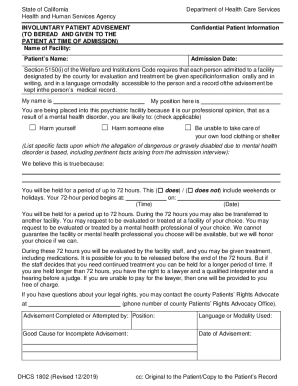
An advance directive, sometimes called a living will, is a written document that tells your health care providers who should speak for you and what medical decisions they should make if you become unable to speak for yourself.

Related links