







Understanding the CarePlus Authorization Form
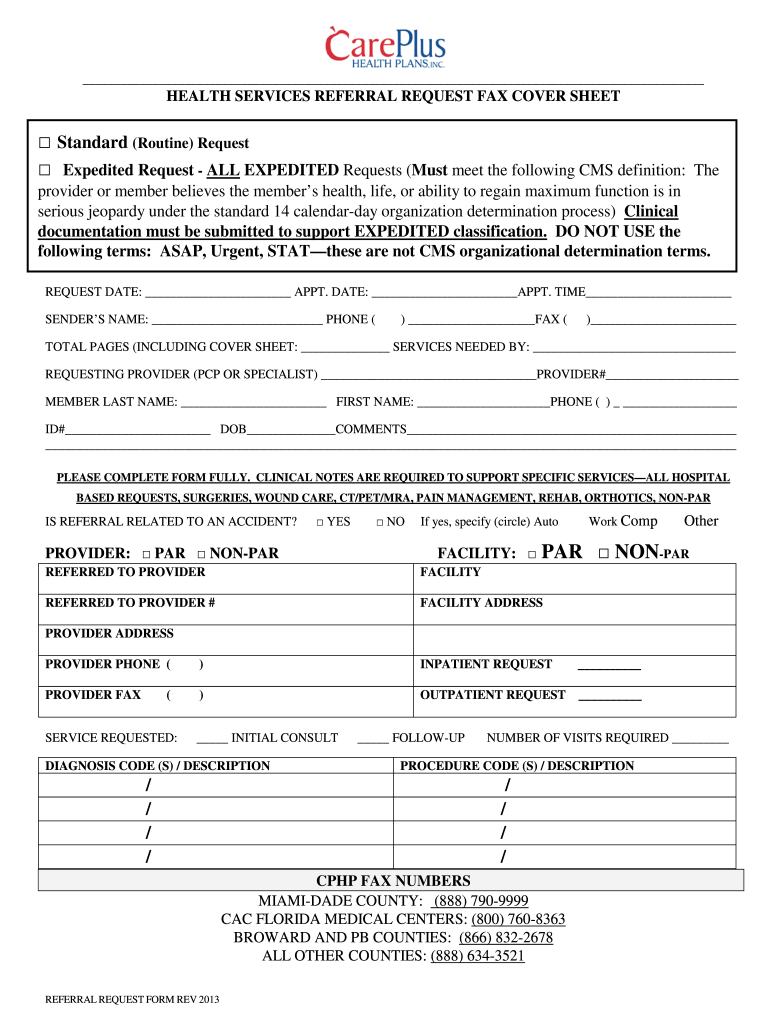
The CarePlus authorization form is a key document used in the healthcare insurance landscape, particularly for obtaining prior authorization for medical services and treatments. This form is essential for ensuring that patients receive coverage for various healthcare services, thereby aligning with CarePlus’s policies and ensuring compliance with insurance regulations.
Purpose and Importance of the CarePlus Authorization Form
The CarePlus authorization form serves several critical functions, including:
- Approval for Services: It is utilized to request approval for specific healthcare services or procedures that require prior authorization from CarePlus. This process helps streamline patient care by confirming coverage before services are rendered.
- Documentation for Claims: Authorized services via this form must be documented to facilitate proper billing and claim processing. It ensures providers can receive payment for services rendered.
- Patient Protection: By requiring prior authorization, the form helps to protect patients from unexpected costs and ensures they are only receiving medically necessary treatments as defined by their health plan.
Key Components of the CarePlus Authorization Form
Understanding the components of the CarePlus authorization form is crucial for accurate completion and submission. The form generally includes:
- Patient Information: Basic details such as name, date of birth, and insurance ID number.
- Provider Details: Information about the healthcare provider or facility requesting the authorization.
- Service Description: A detailed description of the services being requested, including any applicable medical codes.
- Clinical Justification: Space for providers to justify the need for the requested services, often requiring detailed medical records or notes.
- Signature and Date: A section for the provider's signature, which is essential for the authorization to be valid.
Steps for Completing the CarePlus Authorization Form
Accurate completion of the CarePlus authorization form is crucial. Here are key steps to follow:
- Gather Required Information: Collect all necessary patient and provider information, ensuring you have details related to the service being requested.
- Complete the Form: Fill out each section carefully, ensuring accuracy in all provided details. Include any required medical documentation as instructed.
- Justify the Request: Provide thorough clinical justification for the requested services, as this is often critical for approval.
- Review for Errors: Before submitting, review the form for any potential errors or incomplete sections that could delay processing.
- Submit the Form: Send the completed form to the designated CarePlus fax number or electronic submission portal, following up if necessary to confirm receipt and processing status.
Common Use Cases for the CarePlus Authorization Form
The CarePlus authorization form is commonly utilized in various scenarios, including:
- Surgical Procedures: Requests for surgeries often require prior authorization to ensure coverage.
- Diagnostic Tests: Many advanced imaging and diagnostic tests, such as MRIs or CT scans, will require an authorization request.
- Therapeutic Services: Treatment plans such as physical therapy or mental health services may also necessitate submitting this form.
Contact Information and Additional Resources
Patients and providers may need to reach out for further assistance. Important contact resources include:
- CarePlus Authorization Phone Number: For inquiries regarding the status of an authorization request or assistance with filling out the form.
- Provider Directory: Access to the latest CarePlus provider directory can be essential for identifying in-network providers who can request authorizations.
In summary, the CarePlus authorization form plays a vital role in healthcare management within the CarePlus network, ensuring that necessary services are pre-approved and financially covered for patients. Understanding the structure, usage, and importance of the form is essential for both healthcare providers and patients navigating the insurance landscape.




