





Understanding the Counselling Contract Template
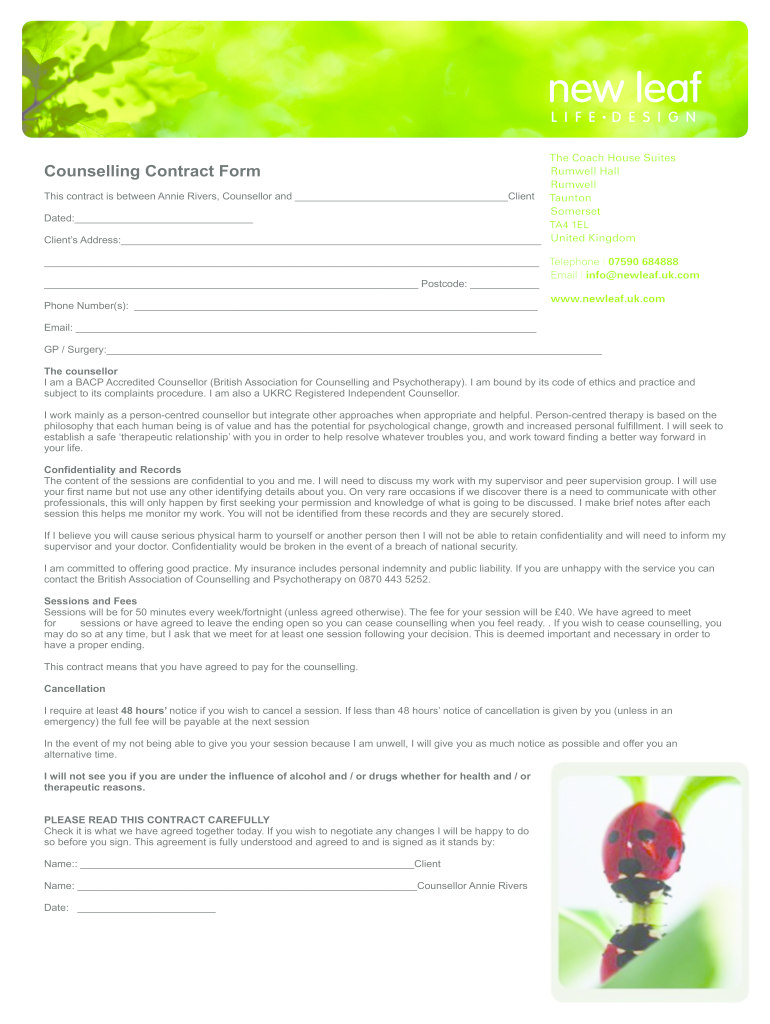
A counselling contract template is a crucial document that outlines the terms of the counseling relationship between a therapist and a client. It serves as a foundational agreement establishing clear guidelines and mutual expectations to foster a productive therapeutic environment. This template is typically designed for use by licensed professionals in the mental health field, ensuring both parties comprehend their rights and responsibilities.
Essential Components of a Counselling Contract
The sections of a counselling contract template usually include several critical elements, each playing a role in protecting both parties involved. Important components often covered are:
-
Confidentiality: The template should detail the limits of confidentiality, including circumstances where disclosure of information may be legally required. This aspect is vital to build trust between the client and the therapist.
-
Session Structure: Information about the duration, frequency, and structure of sessions is crucial. This section often clarifies the expected commitment from both sides in terms of time and communication.
-
Fees and Payment Terms: Clearly stating the financial responsibilities, including session costs, payment methods, and policies regarding missed sessions or cancellations, is necessary to avoid any misunderstandings.
Completing the Counselling Contract Template
When utilizing a printable counselling contract template, it is important to approach it methodically:
-
Personalize the Template: Insert the full names of the therapist and client and adjust any templates to reflect specific services offered, as well as the unique requirements of the counselling relationship.
-
Review Legal Terms: Ensure that the language used in the contract adheres to local laws and regulations concerning mental health services. It is beneficial to discuss these legalities with a professional if needed.
-
Client Understanding: Together with the client, review the completed document, ensuring they understand each clause. Their signature represents not just consent, but also a shared understanding of the therapeutic framework.
Examples of Common Counselling Contract Clauses
-
Cancellation Policy: For instance, a typical clause may state that clients must provide at least twenty-four hours' notice for cancellations to avoid being charged for the session.
-
Therapist Qualifications: This section might outline the therapist's credentials, ensuring clients are informed about the professional's qualifications and areas of expertise.
Variations in Counselling Contract Templates
Different regions and specialties may require unique aspects in counselling contract templates:
-
Cultural Considerations: Templates may need to adapt to the cultural backgrounds and specific needs of clients, especially in diverse communities.
-
Field Specialization: Different areas of therapy, such as family counseling, addiction therapy, and psychotherapy, may have specific disclaimers or requirements that should be added to the template to meet the nuances of the therapy being provided.
Legal and Ethical Considerations in Counselling Contracts
It is vital that practitioners are aware of the ethical guidelines provided by professional associations such as the American Counseling Association (ACA). This ensures the contract is in compliance with professional standards, as ethical practice is fundamental in establishing a successful counselling relationship.
Using Digital Tools for Counselling Contracts
With advancements in technology, various platforms allow users to create, edit, and manage counselling contracts efficiently. Digital tools can streamline processes:
-
Editing Flexibility: Online platforms enable therapists to adjust terms as necessary, quickly update details, and save versions for future reference.
-
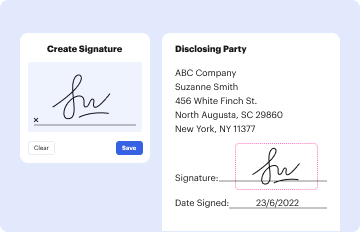
Electronic Signatures: Implementing legally binding electronic signatures simplifies the signing process, allowing for quicker turnaround times, especially for remote clients.
By using a printable counselling contract template thoughtfully, both therapists and clients are positioned for a more effective, organized, and clear therapeutic experience. This foundational document not only serves as a legal agreement but also as a guide to establishing a positive relationship rooted in trust and clarity.