
Abuse program 2026

Get Form
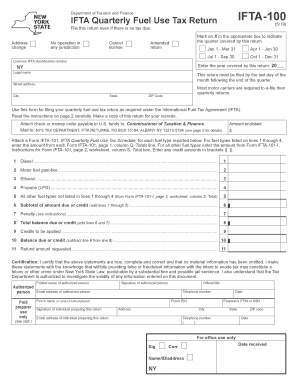
abuse program Preview on Page 1

Here's how it works

01. Edit your form online
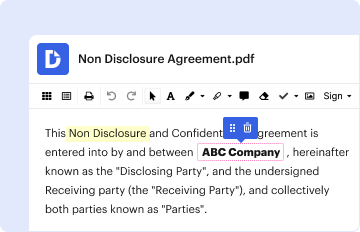
Type text, add images, blackout confidential details, add comments, highlights and more.
02. Sign it in a few clicks
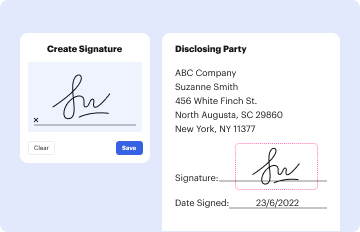
Draw your signature, type it, upload its image, or use your mobile device as a signature pad.
03. Share your form with others
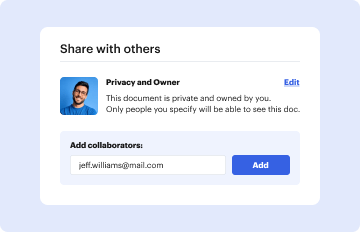
Send it via email, link, or fax. You can also download it, export it or print it out.

How to Use or Fill Out the Abuse Program Form

Form edit decoration
9.5
Ease of Setup
DocHub User Ratings on G2
9.0
Ease of Use
DocHub User Ratings on G2
  1. Click 'Get Form' to open the abuse program form in our editor.
  2. Begin by entering today's date at the top of the form. This helps track when the report was made.
  3. In the section labeled 'Possible Fraud and/or Abuse Committed by:', provide details about the individual you suspect is abusing the program. Include their name, address, city, zip code, and telephone number.
  4. If applicable, enter your own name and contact information in the 'Person Completing Form' section. This is optional if you prefer to remain anonymous.
  5. Select an issue from the provided options that best describes the suspected abuse. If none fit, choose 'Other' and describe the issue in detail below.
  6. In the 'Describe issue' field, provide a thorough explanation of your concerns regarding potential fraud or abuse.
  7. Once completed, click on the 'Submit' button to send your report directly through our platform or print it for mailing or faxing.

Engage with our platform today to ensure your concerns are addressed efficiently and effectively!

be ready to get more

Complete this form in 5 minutes or less

Get form

Got questions?

We have answers to the most popular questions from our customers. If you can't find an answer to your question, please contact us.
Contact us
Types of abuse Domestic Abuse. Financial and material abuse. Modern slavery and criminal exploitation. Neglect and acts of omission. Organisational abuse. Self neglect and hoarding. Sexual abuse and exploitation. Emotional and psychological abuse.
Domestic violence is defined in a comprehensive way in S.3 of the Act, comprising: - Physical, mental, verbal, emotional, sexual and economic abuse, - Harassment for dowry, - Acts of threatening to abuse the victim or any other person related to her.
Let your abuser know that their comments are hurtful and create a toxic relationship destined to fail. Remind yourself that emotional abuse is never justified. Clearly articulating why their behavior is harmful reinforces your boundaries and self-worth.
What is domestic abuse? Coercive control (a pattern of intimidation, degradation, isolation and control with the use or threat of physical or sexual violence) Psychological and/or emotional abuse. Physical or sexual abuse. Financial or economic abuse. Harassment and stalking. Online or digital abuse.
Physical Abuse is any behavior that results (or is likely to result) in injuries to the body, such as bruises, cuts, or broken bones. Examples include hitting, pushing, choking, burning, punching, throwing objects at a person and/or forcibly restraining. These behaviors also instill great fear in the person being hurt.

People also ask

Court-awarded compensation If an offender is convicted of a crime against you, the court may order them to pay you compensation. This could be for a range of reasons, such as: personal injury. pain and suffering.
If you have been the victim of a crime, including domestic violence, it may be possible to seek reimbursement from the Crime Victim Compensation Board in your state, which may help pay for certain expenses of crime victims.
Your partner isolates you from your loved ones. Your partner verbally abuses you. Your partner uses emotional manipulation. Your partner has an infinite resource of scapegoats. Your partner uses addiction to escape emotional responsibility. Your partner uses fear to control you. Your partner uses physically constraint.
What are the ten different types of abuse? Physical abuse. Domestic violence or abuse. Sexual abuse. Psychological or emotional abuse. Financial or material abuse. Modern slavery. Discriminatory abuse. Organisational or institutional abuse.
A felony domestic violence offense can lead to up to 5 years in state prison. Probation could also be as long as five years. There is a minimum of 3 years of probation as a state requirement in all cases of felony domestic violence.

Related links