


Agreement recognizance release 2026

Get Form
recognizance bond Preview on Page 1

Here's how it works

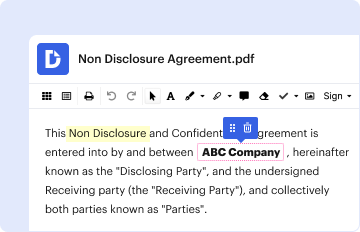
01. Edit your recognizance bond online
Type text, add images, blackout confidential details, add comments, highlights and more.
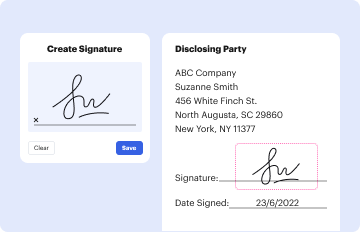
02. Sign it in a few clicks
Draw your signature, type it, upload its image, or use your mobile device as a signature pad.

03. Share your form with others
Send order of release on recognizance via email, link, or fax. You can also download it, export it or print it out.

How to use or fill out agreement recognizance release with our platform

Form edit decoration
9.5
Ease of Setup
DocHub User Ratings on G2
9.0
Ease of Use
DocHub User Ratings on G2
  1. Click ‘Get Form’ to open the agreement recognizance release in the editor.
  2. Begin by entering your case number and the defendant's name at the top of the form. This information is crucial for identifying your case.
  3. Carefully read through each condition listed in the agreement. Ensure you understand your obligations, such as appearing in court and obeying all imposed conditions.
  4. In section 6, specify any additional conditions of your release that may apply. This is important for compliance with court orders.
  5. Sign the document where indicated, providing your street address, city, state, zip code, and telephone number. Make sure all information is accurate.
  6. If required, have a witness sign next to your signature to validate the agreement.

Start using our platform today to complete your agreement recognizance release quickly and efficiently!

See more agreement recognizance release versions

We've got more versions of the agreement recognizance release form. Select the right agreement recognizance release version from the list and start editing it straight away!
Versions Form popularity Fillable & printable
2020 4.2 Satisfied (54 Votes)
2012 4.8 Satisfied (160 Votes)
be ready to get more

Complete this form in 5 minutes or less

Get form

Got questions?

We have answers to the most popular questions from our customers. If you can't find an answer to your question, please contact us.
Contact us
A release on ones one recognizance is a courts decision to allow a person charged with a crime to remain at liberty pending the trial, without having to post bail.
A release on recognizance, or ROR, lets you just leave custody before your trial without paying any bail or putting up a bond. Instead,you sign an agreement where you promise to come back for all of your court dates.
Requirements and Consequences For a PR Bond, the core requirement is signing a court document promising to appear. Violating this agreement by failing to appear in court will lead to immediate arrest and re-incarceration, often with fewer, if any, future options for release on recognizance.
ROR is typically used in first-time misdemeanor cases and other non-violent offenses where the defendant poses a low flight risk and has no docHub criminal history. This results in an immediate release from custody.
Pros and Cons of PR Bonds They may seem more convenient, especially if you dont have much income. However, PR bonds usually come with strict bail conditions. For example, you may need to attend counseling or see a probation officer. Complying with PR bail conditions could mean paying various other (unexpected) costs.

Security and compliance

At DocHub, your data security is our priority. We follow HIPAA, SOC2, GDPR, and other standards, so you can work on your documents with confidence.

Learn more
ccpa2
pci-dss
gdpr-compliance
hipaa
soc-compliance

People also ask

An own recognizance (O.R.) release is a court order that allows a defendant to be released from custody without posting bail. Instead, the defendant signs an agreement promising to appear in court as required and to comply with any conditions imposed by the court.
Defendants charged with violent felonies as defined by Penal Code 667.5(c), with serious felonies as defined by Penal Code 1192.7(c), or with specific domestic violence offenses may not be released on their own recognizance without an open court hearing.

release on recognizance