







Understanding the VA Energy Efficient Construction Form
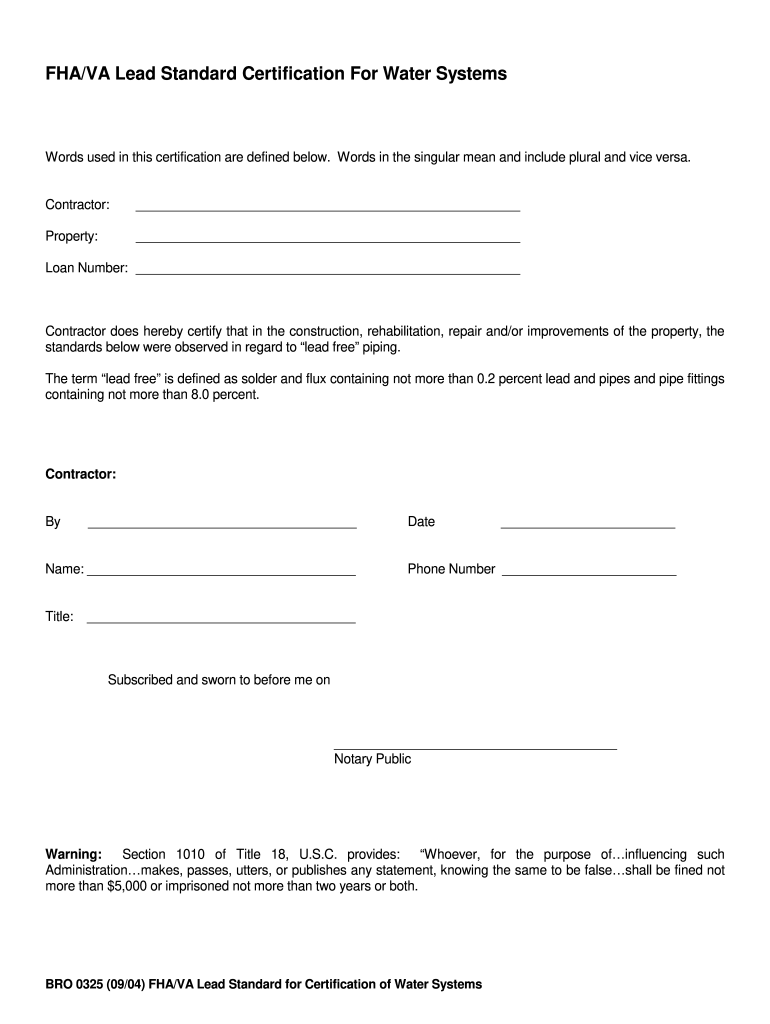
The VA Energy Efficient Construction Form is an essential document in the realm of energy-efficient building practices especially designed for use in construction projects falling under the purview of Virginia. This form is crucial for contractors and builders who commit to adhering to energy efficiency guidelines established by the VA government. It outlines the specific requirements necessary for certification and ensures compliance with state and federal energy standards, ultimately contributing to sustainable building practices.
Key Objectives of the VA Energy Efficient Construction Form
The form serves to verify that construction practices conform to energy efficiency regulations, such as the Virginia Uniform Statewide Building Code (USBC) and the Virginia Energy Conservation Code (VECC). The certification obtained through this form not only verifies compliance but also provides significant benefits, such as potential rebates, tax incentives, and improved marketability of properties designed with energy efficiency in mind.
- Certification of Compliance: It authenticates adherence to the stipulated energy-efficient construction practices required by state law.
- Documentation of Energy Usage: The form facilitates a record of energy consumption practices and provides insights into the energy performance of buildings.
- Improving Building Performance: By emphasizing energy-efficient methods, this form aids in reducing utility costs and promoting environmental stewardship.
Essential Components of the Form
The VA Energy Efficient Construction Form consists of several integral components:
- Builder Information: Details about the contractor or builder, including licensing information and contact details.
- Property Details: Information about the property's location, type, and construction specifications, indicating how energy-efficient methods have been applied.
- Compliance Section: A section for affirming that the construction project meets all necessary energy efficiency standards, often requiring signatures from both the builder and an inspector.
- Notary Acknowledgment: A legally binding acknowledgment to ensure the authenticity of signatures and details provided.
Process for Submission and Approval
The submission process for the VA Energy Efficient Construction Form is straightforward but requires attention to detail:
- Complete the Form: Ensure all sections of the form are filled out correctly with accurate and thorough information.
- Gather Supporting Documents: Collect any necessary supplemental documentation that verifies compliance with energy-efficient standards.
- Submission: Submit the form and accompanying documents to the designated governmental body, which may include local building departments or state agencies responsible for energy regulation.
- Await Review: The submitted form will undergo a review process, where officials will assess compliance before granting approval.
Consequences of Non-Compliance
Failing to comply with energy efficiency standards as outlined in the VA Energy Efficient Construction Form can have several implications:
- Legal Repercussions: Non-compliance may lead to legal action against the builder or contractor for improper certification.
- Financial Consequences: Certain breaches could result in fines or the loss of potential financial incentives offered for energy-efficient construction.
- Impact on Project Viability: Projects that do not meet energy standards may be halted until compliance is achieved, delaying timelines and incurring additional costs.
Importance of Energy Efficient Construction
Energy-efficient construction plays a pivotal role in modern building practices, offering numerous benefits not only to builders and property owners but also to the environment:
- Cost Savings: Energy-efficient homes typically incur lower operational costs due to reduced energy consumption.
- Enhanced Comfort: Proper energy efficiency measures improve indoor environmental quality, leading to increased comfort for occupants.
- Environmental Protection: Implementing energy-efficient practices contributes to the reduction of greenhouse gas emissions, fostering sustainability within communities.
Conclusion
Through the proper use of the VA Energy Efficient Construction Form, stakeholders can ensure their construction projects comply with vital energy efficiency standards. This compliance supports a transition towards sustainable building practices, benefiting both the economy and the environment. Understanding the nuances of this form is essential for developers, builders, and contractors aiming to contribute positively to the future of construction in Virginia.




