01. Edit your snohomish county drainage manual online
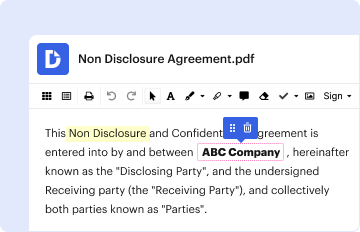
Type text, add images, blackout confidential details, add comments, highlights and more.
02. Sign it in a few clicks
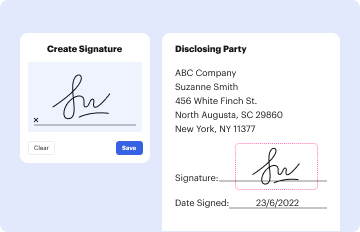
Draw your signature, type it, upload its image, or use your mobile device as a signature pad.
03. Share your form with others
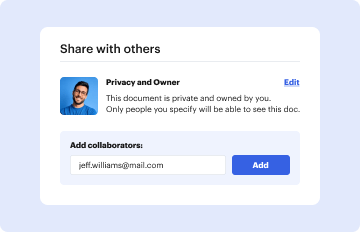
Send osha 30 test questions and answers pdf via email, link, or fax. You can also download it, export it or print it out.
How to use or fill out Small Project Stormwater Pollution Prevention Plan (SWPPP ... - co snohomish wa with our platform
Ease of Setup
DocHub User Ratings on G2
Ease of Use
DocHub User Ratings on G2
Click ‘Get Form’ to open it in the editor.
Begin by filling out the BASIC PROJECT INFORMATION section. Include details such as Project File Number, Township, and Site Address.
In the NARRATIVE section, provide a brief description of your project and check 'yes' or 'no' for each small project criteria.
Proceed to each ELEMENT section. For each element that applies, select the appropriate best management practices (BMPs) and describe your planned actions.
Complete the final sections regarding BMP maintenance and project management strategies to ensure compliance throughout construction.
Attach a site plan sketch as required, ensuring all necessary details are included before submission.
Start using our platform today to streamline your SWPPP form completion for free!
Fill out Small Project Stormwater Pollution Prevention Plan (SWPPP ... - co snohomish wa online It's free
Reduce rooftop runoff by directing your downspouts to vegetated areas, and not to the storm drain on your street. For your driveway and patios, consider putting in permeable paving or patterns of cement and brick that allow water to filter through it. Support your local storm or surface water program.
How long is a SWPPP good for?
There are many important factors that must be included in the development of an effective SWPPP, including site-specific potential pollutant sources, drainage scenarios, structural control devices and the identification of accountable pollution prevention team members.
What is the number one stormwater pollutant?
Polluted stormwater runoff is the number one water pollutant. As stormwater moves across developed areas, it picks up garbage, debris, sediment, chemicals, automotive fluids, fertilizers, leaves and other pollutants from parking lots, yards, streets, roofs and other hard surfaces.
What are the two methods to reduce urban runoff?
One way is to increase water infiltration. This can be accomplished by replacing pavement and concrete with more permeable pavement materials such as pavers (stones) with pore holes in them. Also planting trees and building buildings up (taller) and not out taking up more area on a streetblock will reduce urban runoff.
What is the biggest problem from water runoff?
It scours streambeds and stream banks, causing additional erosion. Excess nutrients in runoff, especially nitrogen and phosphorus, cause waterbody-impairing algal blooms. As algae die and decompose, oxygen levels decrease, harming or killing fish, plants and other aquatic organisms.
Related Searches
Snohomish County small project SWPPPSnohomish County Drainage ManualSnohomish County stormwaterSnohomish County PDSSnohomish county drainage reportSnohomish County impervious surface limitsSnohomish county Site Plan ChecklistSnohomish County Building permit Checklist
Security and compliance
At DocHub, your data security is our priority. We follow HIPAA, SOC2, GDPR, and other standards, so you can work on your documents with confidence.
One of the most common mistakes operators make is using a generic SWPPP template without tailoring it to the specific site conditions and state requirements. Every construction site has unique topography, soil composition, and water drainage patterns that must be accounted for in the plan.
When should a SWPPP stormwater pollution prevention plan be implemented on a construction project?
How long is an SWPPP valid? A SWPPP is valid as long as the project is active and covered under the NPDES permit. It must be updated to reflect any changes in site conditions or operations as they occur. NPDES permits are typically issued and billed in annual cycles.
Related links
GENERAL INSTRUCTIONS AND CAVEATS
The SWPPP must identify the CESCL or inspector, who must be present on site or on- call at all times. Follow this link to a copy of the Construction StormwaterRead more
small project stormwater pollution prevention plan (swppp)
Complete this form to meet Minimum Requirement #2 for Small Projects as defined in SCC 30.63A.810 and detailed in Volume I, Appendix I‐F of the Snohomish CountyRead more
Cookie consent notice
This site uses cookies to enhance site navigation and personalize your experience.
By using this site you agree to our use of cookies as described in our Privacy Notice.
You can modify your selections by visiting our Cookie and Advertising Notice.