


Create your South Dakota Real Estate Form from scratch

Start Building Now
Title decoration

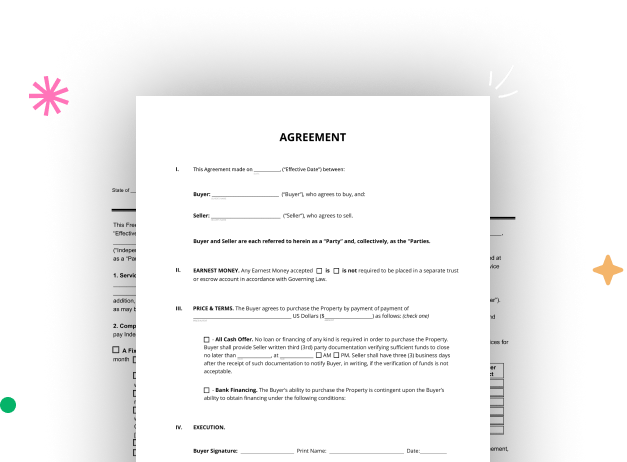
Here's how it works

01. Start with a blank South Dakota Real Estate Form
Open the blank document in the editor, set the document view, and add extra pages if applicable.
02. Add and configure fillable fields
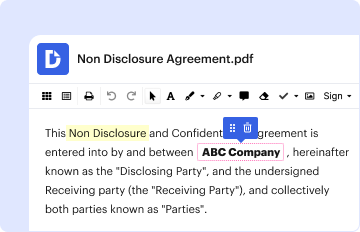
Use the top toolbar to insert fields like text and signature boxes, radio buttons, checkboxes, and more. Assign users to fields.
03. Distribute your form
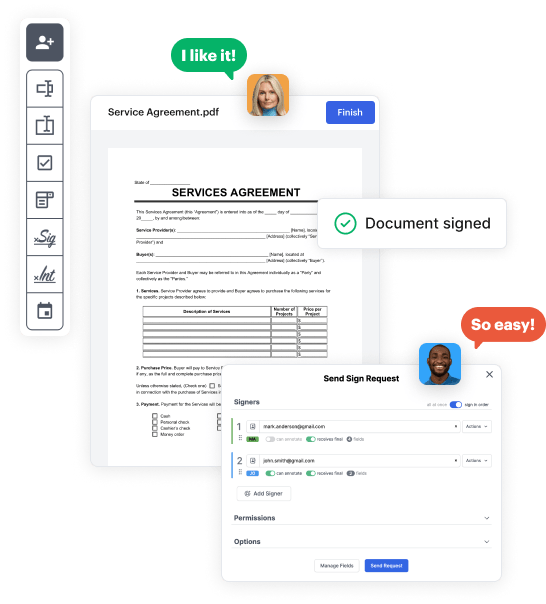
Share your South Dakota Real Estate Form in seconds via email or a link. You can also download it, export it, or print it out.

Build South Dakota Real Estate Form from scratch with these comprehensive instructions

Form edit decoration

Step 1: Open DocHub and get going.

Begin by registering a free DocHub account using any offered sign-up method. If you already have one, simply log in.

Step 2: Register for a 30-day free trial.

Try out the complete collection of DocHub's pro features by signing up for a free 30-day trial of the Pro plan and proceed to build your South Dakota Real Estate Form.

Step 3: Add a new blank document.

In your dashboard, choose the New Document button > scroll down and hit Create Blank Document. You will be taken to the editor.

Step 4: Organize the document’s view.

Utilize the Page Controls icon marked by the arrow to toggle between different page views and layouts for more convenience.

Step 5: Start inserting fields to design the dynamic South Dakota Real Estate Form.

Explore the top toolbar to place document fields. Insert and configure text boxes, the signature block (if applicable), insert images, etc.

Step 6: Prepare and customize the added fields.

Configure the fillable areas you added based on your preferred layout. Modify each field's size, font, and alignment to make sure the form is easy to use and neat-looking.

Step 7: Finalize and share your document.

Save the completed copy in DocHub or in platforms like Google Drive or Dropbox, or design a new South Dakota Real Estate Form. Distribute your form via email or utilize a public link to engage with more people.


be ready to get more

Build your South Dakota Real Estate Form in minutes

Start creating now

Got questions?

We have answers to the most popular questions from our customers. If you can't find an answer to your question, please contact us.
Contact us
There are several reasons why: The seller retains the title. This can extend through the completion of your payment plan, which can complicate things like ownership and taxes, as well as personal security and rights. Maintenance gets confusing. Theres little regulation. Sellers dont have it easy.
Unless the contract for deed is recorded, third parties who rely on the state of the title recorded may remove the buyer from title rights and the only remedy of the buyer is to seek relief against the seller who may have left the jurisdiction or be insolvent.
The cost of obtaining a real estate license in South Dakota includes several fees. These typically involve real estate pre licensing course fees (which normally cost several hundred dollars), a $225 non refundable application fee, a $43.25 background check fee, and a $98 exam fee.
Contract for deed is a contract for the sale of land which provides that the buyer will acquire possession of the land immediately and pay the purchase price in installments over a period of time, but the seller will retain legal title until all payments are made.
A contract for deed is a contract where the seller remains the legal owner of the property and the buyer makes monthly payments to the seller to buy the house. The seller remains the legal owner of the property until the contract is paid.
be ready to get more

Build your South Dakota Real Estate Form in minutes

Start creating now

Related Q&A to South Dakota Real Estate Form

The cost of transfer taxes in South Dakota is $0.50 per $500 of the homes sale value. Most real estate transfers will be charged this tax, but there are some exceptions. Exceptions include, but are not limited to, transfers between spouses, foreclosure, distribution of estates, divorces, or pure gifts.
Form A - Agent/Seller Agreement This is perhaps the most common type of form, which serves as a contract between the agent and the seller of the property. This form legally mandates the agent to act on the sellers behalf by marketing the property and managing interested buyers.
Since a contract for deed involves no traditional lender, buyers and sellers dont have to complete a qualification stage before moving on to completing their transaction. Since there are no third parties in the transaction, the buyer and seller can facilitate a much speedier process than with traditional lending.

Additional resources on building your forms