
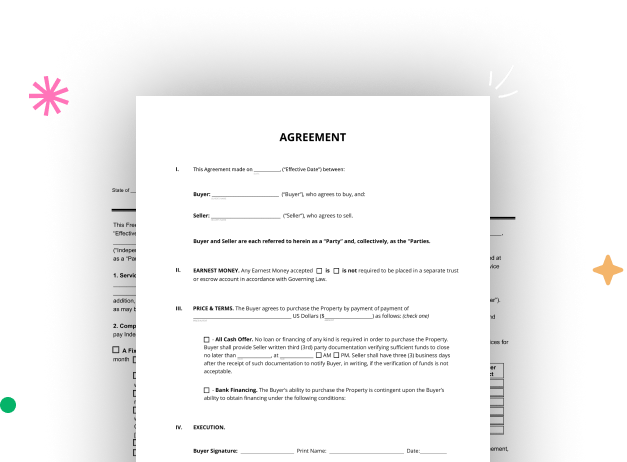
Create your Property Closings Document from scratch

Start Building Now
Title decoration

Here's how it works

01. Start with a blank Property Closings Document
Open the blank document in the editor, set the document view, and add extra pages if applicable.
02. Add and configure fillable fields
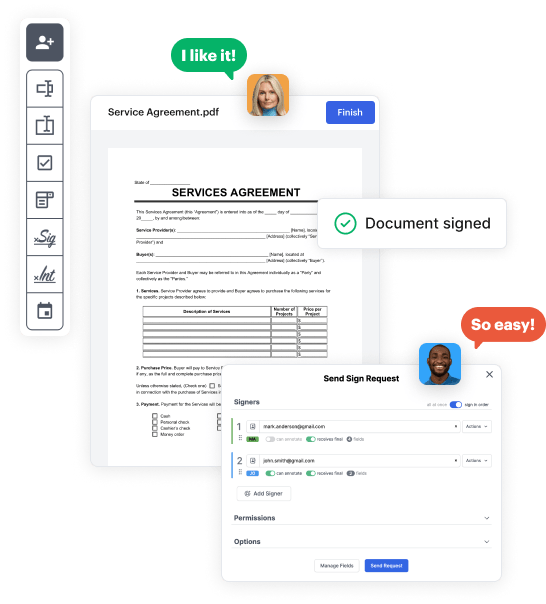
Use the top toolbar to insert fields like text and signature boxes, radio buttons, checkboxes, and more. Assign users to fields.
03. Distribute your form
Share your Property Closings Document in seconds via email or a link. You can also download it, export it, or print it out.

A detailed walkthrough of how to craft your Property Closings Document online

Form edit decoration

Step 1: Start with DocHub's free trial.

Navigate to the DocHub website and register for the free trial. This provides access to every feature you’ll require to create your Property Closings Document without any upfront cost.

Step 2: Access your dashboard.

Sign in to your DocHub account and go to the dashboard.

Step 3: Initiate a new document.

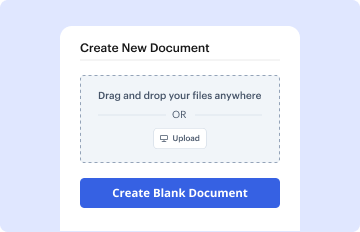
Hit New Document in your dashboard, and select Create Blank Document to craft your Property Closings Document from the ground up.

Step 4: Use editing tools.

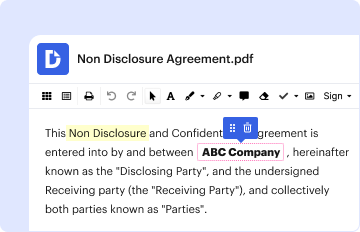
Insert different fields such as text boxes, radio buttons, icons, signatures, etc. Arrange these fields to suit the layout of your form and assign them to recipients if needed.

Step 5: Organize the form layout.

Organize your form quickly by adding, moving, deleting, or merging pages with just a few clicks.

Step 6: Set up the Property Closings Document template.

Transform your freshly crafted form into a template if you need to send many copies of the same document numerous times.

Step 7: Save, export, or share the form.

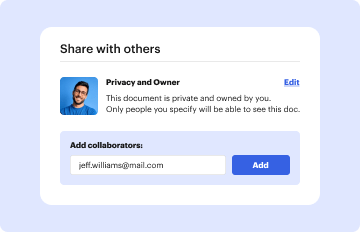
Send the form via email, share a public link, or even post it online if you wish to collect responses from more recipients.


be ready to get more

Build your Property Closings Document in minutes

Start creating now

Got questions?

We have answers to the most popular questions from our customers. If you can't find an answer to your question, please contact us.
Contact us
A remote closing follows the same process as a traditional closing, except that verification is completed digitally. In a remote closing, the parties can: Verify identities virtually. Sign documents electronically.
Youll need a variety of documents in order to sell your home. Some of the most important include your mortgage loan documentation, mandatory disclosures and the deed.
Keep Copies of Your Closing Paperwork The most important originals are the purchase agreement, deed, and deed of trust or mortgage.
List of closing documents Closing disclosure. The closing disclosure contains all of the details of your mortgage, including an itemized list of closing costs. Proof of homeowners insurance. Loan application. Mortgage or deed of trust. Note. Deed. Affidavit of title. Title insurance policy.
The closing statement, also called a closing disclosure or settlement statement, is essentially a comprehensive list of every expense that the buyer and/or seller must pay to complete the purchase of a home.
be ready to get more

Build your Property Closings Document in minutes

Start creating now

Related Q&A to Property Closings Document

Final Settlement (or Closing) Statement: A financial disclosure giving an accounting of all funds received and disbursed at loan closing. Also known as HUD 1 Closing Statement.
A closing statement or credit agreement is provided with any type of loan, often with the application itself. A sellers Closing Disclosure is prepared by a settlement agent and lists all commissions and costs in addition to the net total to be paid to the seller.

Additional resources on building your forms