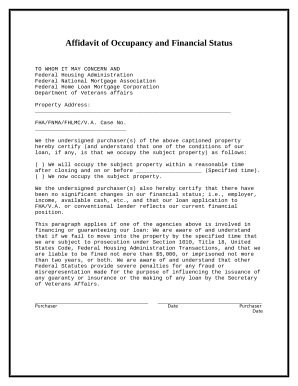
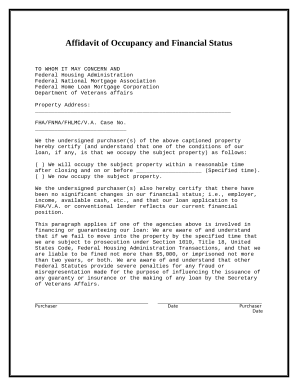
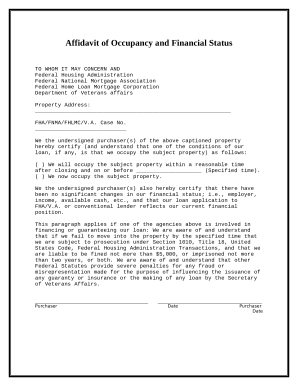
Get and manage Property Closings Documents online

Accelerate your form operations with the Property Closings Documents online library with ready-made templates that meet your needs. Get the form, edit it, complete it, and share it with your contributors without breaking a sweat. Start working more efficiently with your documents.

The best way to use our Property Closings Documents:

  1. Open our Property Closings Documents and look for the form you require.
  2. Preview your form to ensure it’s what you want, and click on Get Form to start working on it.
  3. Change, add new text, or point out important information with DocHub features.
  4. Fill out your form and save the changes.
  5. Download or share your form with other recipients.

Discover all the possibilities for your online file management using our Property Closings Documents. Get your free free DocHub profile today!


Video Guide on Property Closings Documents management

video background

Commonly Asked Questions about Property Closings Documents

However, the most important documents in real estate are offers, agreements, and contracts between the buyer and seller.
These includes documents like: Offer Letter or Reservation Form. This is a document expressing interest by a buyer to purchasing a property. Sale agreement. This is the second document needed when purchasing land. Title transfer document.
Closing costs are a complicated but important part of the real estate process, and its important you understand them to minimize stress and surprises. When you sell your home, you will need to hire a notary or lawyer to represent you in your transaction and facilitate completion.
The most important originals are the purchase agreement, deed, and deed of trust or mortgage. In the event originals are destroyed, you might be able to get certified copies of these documents from the lender or closing company, but you dont want to rely on others recordkeeping systems unless you have to.
Your lender is required to send you a Closing Disclosure that you must receive at least three business days before your closing. Its important that you carefully review the Closing Disclosure to make sure that the terms of your loan are what you are expecting.
List of closing documents Closing disclosure. The closing disclosure contains all of the details of your mortgage, including an itemized list of closing costs. Proof of homeowners insurance. Loan application. Mortgage or deed of trust. Note. Deed. Affidavit of title. Title insurance policy.
A purchase agreement is a legal contract between a buyer and a seller. It describes the circumstances of the sale, including the property being sold and the agreed-upon purchase price. It fulfills three main purposes: It identifies the property the seller is selling.