

Manage Legal Statements effortlessly online
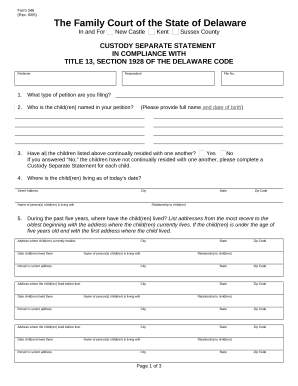
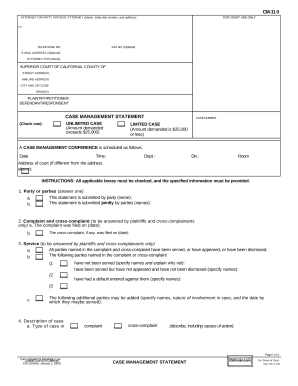
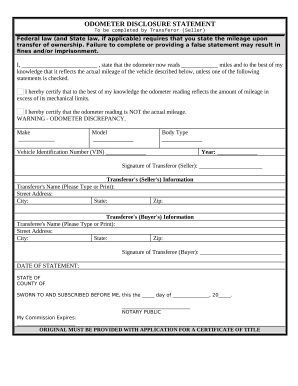
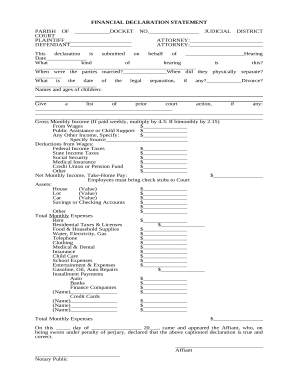
Document administration can overwhelm you when you can’t locate all the forms you require. Luckily, with DocHub's vast form library, you can get all you need and quickly deal with it without changing between software. Get our Legal Statements and begin working with them.
The best way to manage our Legal Statements using these simple steps:
- Browse Legal Statements and choose the form you require.
- Review the template and click on Get Form.
- Wait for it to upload in the online editor.
- Alter your template: include new information and images, and fillable fields or blackout some parts if needed.
- Complete your template, save modifications, and prepare it for delivering.
- When ready, download your form or share it with your contributors.
Try out DocHub and browse our Legal Statements category without trouble. Get a free account right now!
Video Guide on Legal Statements management

Commonly Asked Questions about Legal Statements
How do you start a legal personal statement?
So tell the story no one else can tell. Start your personal statement with an attention-grabbing anecdote, a surprising fact, or an intriguing line of dialogue. That being said, write like you normally woulddont write in a style you havent mastered.
How do you start off a legal document?
If you do not begin your brief with an issue statement, that is, a syllogism ending in a question, then open with an introduction that gives the judge a short and persuasive overview of the case. Present the facts plainly and set forth the issues clearly.
What is a legal written statement called?
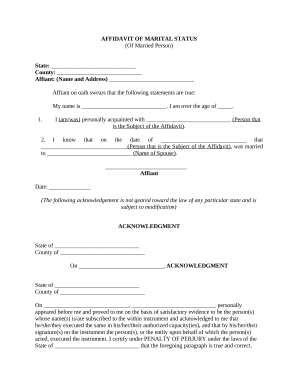
affidavit: A written statement that someone swears to under oath in front of someone that is legally authorized, like a judge or notary public.
What is an example of a legal rule statement?
A rule statement is thus one that provides descriptions of actors, behaviors, and contexts that can apply to more than one person. For example, When an actor intentionally strikes another person, or a closely related object, in a harmful or offensive manner, it is a battery.
How do you start an official statement?
Step-by-Step Guide to Writing a Statement Letter Step 1: Start with a Clear and Concise Opening. Step 2: Introduce Yourself and Your Purpose. Step 3: Provide Relevant Details and Supporting Information. Step 4: Address Any Concerns or Objections. Step 5: Conclude with a Call to Action or Next Steps.
How to write a legal opening statement?
The opening statement should be straightforward and direct. Avoid exaggerating or misstating the facts, and dont overdo the emotion. If a lawyer relies on exaggeration to appeal to the jury, he or she will certainly hear about broken promises in opposing counsels closing arguments.
How to begin a legal statement?
If youre writing a legal statement, elements such as the date and subject of the statement should appear at the top. You should also identify relevant parties and explain how theyre connected to the subject.
How do you write a good legal statement?
How to Write a Good Court Statement Be clear and concise in your writing. Keep your sentences and paragraphs short, making them easier to read and understand. Make sure all of your facts are accurate and complete. Proofread your statement before submitting it to the court.


