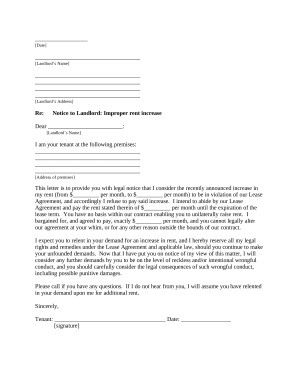
Raise your output with Lease Agreement Disputes

Papers management occupies to half of your office hours. With DocHub, it is easy to reclaim your time and improve your team's efficiency. Get Lease Agreement Disputes collection and check out all document templates relevant to your day-to-day workflows.

Easily use Lease Agreement Disputes:

  1. Open Lease Agreement Disputes and employ Preview to find the suitable form.
  2. Click Get Form to begin working on it.
  3. Wait for your form to open in the online editor and begin editing it.
  4. Add new fillable fields, icons, and images, modify pages, and many more.
  5. Fill out your form or set it for other contributors.
  6. Download or deliver the form by link, email attachment, or invite.

Improve your day-to-day document management with the Lease Agreement Disputes. Get your free DocHub profile today to explore all forms.


Video Guide on Lease Agreement Disputes management

video background

Commonly Asked Questions about Lease Agreement Disputes

What are the tenants remedies if the landlord abuses access? Tenant may terminate lease and recover two months rent.
Tenants have a right to: A right to enjoy their properties in peace and quiet. A right to live in a habitable rental property that adheres to Saskatchewan safety, health and building codes. Right to access their units without restrictions from the landlord or their agent. saskatchewan rental laws: the ultimate guide to the landlord tenant act Cressman Realty Property Management regina-rental-property saskatc Cressman Realty Property Management regina-rental-property saskatc
When conflicts arise between tenants, it is often helpful for landlords to take on the role of a mediator rather than devolving into petty and useless arguing. As an impartial third party, landlords can facilitate communication between tenants and encourage them to find mutually agreeable solutions.
Rental housing dispute means a fact-based grievance raised by any tenant or landlord regarding the occupancy or use of residential property including rental rate increases, deposits, habitability, repairs and maintenance, utilities, occupants, parking and storage facilities, privacy, quiet enjoyment, or use of common
Alberta. So the answer is yes, you can sue your landlord for harassment and abuse, but you would need to do so through an application for dispute resolution at RTDRS through Residential Tenancy Branch. Can You Sue Your Landlord for Abusive Behavior? Expert Answers JustAnswer canada-law oboa5-sue-la JustAnswer canada-law oboa5-sue-la
Tenants Rights in Alberta Renters in the province are protected by the Residential Tenancies Act, which outlines various rights and protections for tenants. For instance, tenants have the right to a safe and habitable living space, free from hazards such as mold, pests, or faulty electrical or plumbing systems. Understanding Your Rights as a Tenant in Alberta APOLLO Insurance magazine tenants-rights-alberta APOLLO Insurance magazine tenants-rights-alberta
Remedies under the Residential Tenancies Act recovery of arrears of rent. recovery of damages resulting from a bdocHub of the tenancy agreement by the tenant. recovery of for the use and occupation of the premises by an overholding tenant. recovery of possession of the premises from an overholding tenant. Residential Tenancies Process - Alberta Courts Alberta Courts areas-of-law civil residential Alberta Courts areas-of-law civil residential
Tenants have the right to privacy in their rented homes and can refuse entry to landlords who do not provide proper notice or have an illegitimate reason for entry. If this right is violated, tenants can take legal action to prevent continued violations and potentially seek damages.