






Definition and Purpose of the Formal Review
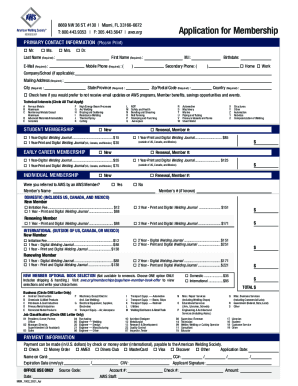
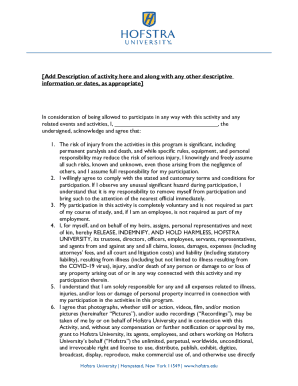
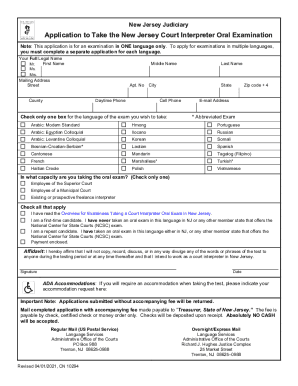
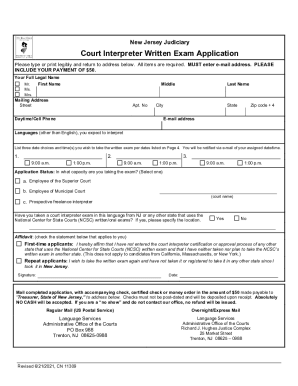
The Formal Review of the is a structured evaluation process designed to assess specific areas of performance, operations, or documentation comprehensively. This form is often utilized in institutional or organizational settings to ensure that reviewed entities meet predefined standards and benchmarks. Focusing on various aspects such as effectiveness, compliance, and strategic alignment, the formal review plays a pivotal role in identifying strengths and areas needing improvement within the entity being assessed.
Steps to Complete the Formal Review
-
Preparation and Data Collection:
- Gather all necessary documents and data pertinent to the review subject.
- Ensure access to financial records, performance metrics, or other relevant documentation.
-
Review Process:
- Examine the collected information against the established standards or criteria.
- Conduct interviews or discussions with key stakeholders involved in the operations.
-
Analysis and Reporting:
- Analyze the findings to determine the entity's performance across different criteria.
- Compile the results into a structured report which highlights key findings, areas of concern, and recommendations for improvement.
Who Typically Uses the Formal Review of the
This form is primarily used by organizations that require a documented evaluation of specific business units or processes. Users often include:
- Internal Audit Teams: To assess internal controls and operational effectiveness.
- Regulatory Bodies: Ensuring compliance with legal and industry standards.
- Management and Leadership: To make informed decisions based on the performance of different departments or initiatives.


Key Elements of the Formal Review
- Evaluation Criteria: Clearly defined standards or benchmarks against which the review subject is measured.
- Assessment Procedures: Specific methods and tools used to gather and analyze data.
- Findings and Recommendations: The derived outcomes from the review process, highlighting strengths and areas for improvement.
- Action Plans and Follow-ups: Steps proposed or agreed upon to address identified issues or leverage strengths.
Legal Use of the Formal Review
The formal review can serve as a legal document to demonstrate compliance with industry standards and regulations. It provides an auditable trail of an organization's efforts to maintain high-performance standards and adhering to legal requirements. The documentation within the review can be leveraged in legal scenarios to showcase proactive management and adherence to compliance standards.
Required Documentation for Completion
To complete the formal review, certain documents are typically required, including:
- Operational Manuals and Policies: To understand procedural conformity.
- Performance Reports: Financial, operational, or strategic reports that outline historical performance metrics.
- Previous Audit Reports (if applicable): To assess progress and changes since the last formal review.
Software Compatibility and Integration
For organizations leveraging digital solutions, the formal review process can be enhanced using software tools. These tools facilitate data collection, analysis, and reporting. Commonly used software includes:
- DocHub: For easy access, signing, and sharing of digital documents.
- Performance Management Tools: Software like QuickBooks for financial analysis, which can be integrated into the review.
State-Specific Rules and Differences
While the formal review process is designed to be universally applicable, certain state-specific guidelines may exist. These variations often cater to differences in regulatory requirements and industry standards across states. Being aware of such nuances is crucial for entities operating in multiple jurisdictions to ensure compliance and relevance of the review process.
Penalties for Non-Compliance
Failing to perform or adhere to the recommendations from a formal review can result in several penalties, depending on the industry:
- Regulatory Fines: Non-compliance with industry regulations can result in monetary fines.
- Reputational Damage: Ineffective management or operations highlighted by a formal review can negatively impact reputation.
- Operational Risks: Failure to address identified risks might lead to operational disruptions.
Business Types Benefitting Most from Formal Review
Different business entities benefit from formal reviews by using the insights gained to optimize operations and ensure strategic alignment. Types include:
- Large Corporations: For compliance, efficiency, and strategic direction.
- Government Agencies: Adhering to public sector standards and demonstrating accountability.
- Non-profits: Ensuring transparency and efficient use of resources.
By maintaining a comprehensive, structured approach to the formal review, organizations can not only meet compliance requirements but also drive continuous improvement and strategic alignment.