


Get and manage Estate Planning Legal Documents online
Improve your document management with our Estate Planning Legal Documents collection with ready-made document templates that meet your needs. Access your form template, edit it, complete it, and share it with your contributors without breaking a sweat. Begin working more effectively with the forms.
The best way to manage our Estate Planning Legal Documents:
- Open our Estate Planning Legal Documents and look for the form you need.
- Preview your document to ensure it’s what you want, and click Get Form to start working on it.
- Alter, include new text, or highlight important information with DocHub tools.
- Prepare your form and save the changes.
- Download or share your form template with other people.
Explore all of the opportunities for your online document management with our Estate Planning Legal Documents. Get your free free DocHub account right now!
Video Guide on Estate Planning Legal Documents management

Commonly Asked Questions about Estate Planning Legal Documents
What are the most common estate planning documents?
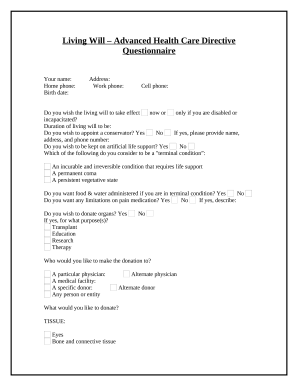
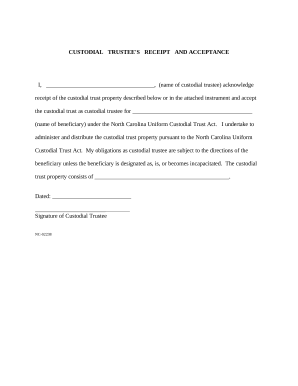
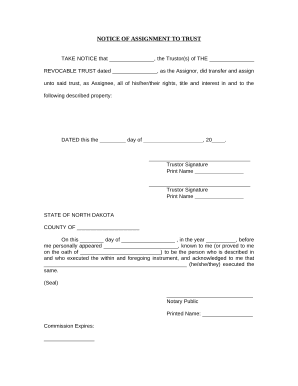
Common estate planning documents are wills, trusts, powers of attorney, and living wills. Everyone can benefit from having a will, no matter how small their estate or simple their wishes. Online estate planning services offer basic packages for less than $200.
Which of the following are documents necessary for estate planning?
The Estate Planning Must-Haves. Wills and Trusts. Durable Power of Attorney. Beneficiary Designations. Letter of Intent. Healthcare Power of Attorney. Guardianship Designations. Estate Planning FAQs.
What are the four documents?
4 Documents Suze Orman Says You Need Will. A will is a legal document that, among other things, outlines where you want your assets to go after you die. Living Revocable Trust. Durable Power of Attorney for Healthcare. Advance Directive.
Which of the following are estate planning documents?
These documents include a financial power of attorney, an advance care directive, and a living trust or a last will.
What is an estate plan document?
Estate planning covers the transfer of property at death as well as a variety of other personal matters and may or may not involve tax planning. The core document most often associated with this process is your will.
What are the 7 steps in the estate planning process?
Get a head-start on planning and follow these 7 easy steps: Take Inventory of Your Estate. First, narrow down what belongs to you. Set a Will in Place. Form a Trust. Consider Your Healthcare Options. Opt for Life Insurance. Store All Important Documents in One Place. Hire an Attorney from Angermeier Rogers.
What are the most important legal documents?
In an emergency, its crucial to have a few essential legal estate documents readily accessible, such as a Last Will and Testament, Advance Healthcare Directive, Durable Power of Attorney (aka Financial Power of Attorney), and Living Will.