Insights on the DocHub vs. Signmee Gross Profit Margin comparison
Choose the best editing solution for your business once and for all. Check out the detailed comparison of DocHub and Signmee Gross Profit Margin
Create free account
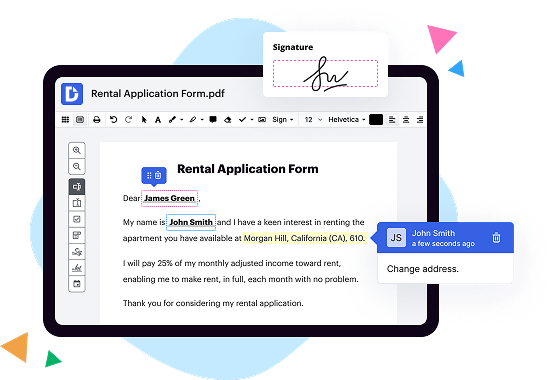
Signmee vs. DocHub Gross Profit Margin comparison in a nutshell

|
Signmee | |
|---|---|---|
| No Downloads | ||
| CRMs, Google Docs, Office 365 | ||
| Search Form Online | ||
| New Form and Document Creator | ||
| Host Fillable Forms | ||
| Edit PDF | ||
| Fill Online | ||
| Sign Online | ||
| PDF converter | ||
| Annotate PDF | ||
| Search text in PDF | ||
| Collaborate and Versions | ||
| Encryption and Security | ||
| Two-Factor Authentication | ||
| Unlimited Cloud Storage | ||
| Fax Online | ||
| Track Sending Documents | ||
| API | ||
| Get DocHub for free |
Here are the main differences between DocHub and Signmee Gross Profit Margin
A higher gross margin means each $1 of revenue is more valuable to your business. Compare Company A with a 10% gross margin to their competitor Company B with an 80% gross margin. Company A will be able to reinvest 10 cents of every dollar of sales back into the company. Company B will have 80 cents on the dollar.
Move from Signmee PDF to DocHub in a few steps
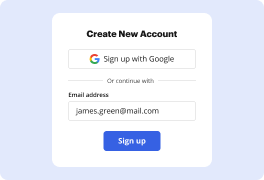
01. Register with DocHub using your email address or Google account. It's fast and easy. No credit card required.
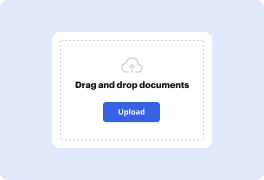
02. Upload the document you need or create it from scratch. Then, customize it by adding images, drawings, and different types of fillable fields.
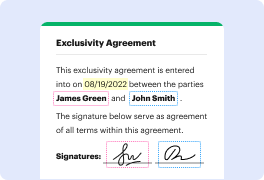
03. Customize your PDF in minutes. Type, highlight, underline, whiteout text, add comments, and sign your document.
04. Share your PDF with others to collaborate in real-time. Export your document, download or print it out.
Switch to DocHub to enjoy premium PDF customization

Online PDF creator and editor
Explore DocHub vs. Signmee comparison data and choose the best platform for getting your perfect document without hassle. Start with a blank document or modify an existing one. Type text, add shapes, drawings, images, and highlight or whiteout information. Whatever you do with a PDF, the result is always high quality, without rasterized text or removed fields.

Diverse PDF management tools
Manage your PDF to perfection. Add, delete, and rearrange document pages or merge them to create a new document. DocHub supports a variety of file types including PDF, DOC, PPT, XLS, TXT, DOCX, and PPTX, which you can easily convert to a PDF.

Powerful PDF tools on your mobile device
Keep your work flowing from any location. Get DocHub, the most powerful Signmee competitor. With DocHub's capabilities on your mobile device, you can edit, annotate, manage, sign, and share PDFs just as easily as you would on a desktop. No need to install the app.

Google integrations
Boost your productivity and deliver an amazing customer experience by managing your PDFs from your favorite Google apps. Import, edit, and sign your documents directly from your Gmail, Google Drive, and Dropbox.

Interactive PDF forms and templates
Get an intuitive and interactive experience when creating PDF forms and reusable document templates. Modify existing fields or create new ones for checkboxes, signatures, initials, and more. Publish forms on your website, social media, or share them via URL to collect data.

Real-time collaboration
Migrate from Signmee to DocHub to collaborate effectively and securely on documents in real-time. Set document permissions to let others view, comment on, edit, and sign your documents. Stay in the loop with instant email notifications or track the status of your documents with court-admissible audit trails.
Industry-leading security and compliance
DocHub implements reasonable measures to comply with industry-leading standards, regulations, and certifications so you can securely edit, fill out, sign, and send documents and forms.

GDPR compliance
Regulates the collection, use, and holding of personal data for EU residents.

PCI DSS certification
Ensures the security of credit and debit card transactions made by a customer.

CPRA compliance
Enhances the privacy rights of California residents while protecting their personal data.

SOC 2 certification
Ensures the security of your data and the privacy of your clients.

HIPAA compliance
Protects privacy, security, and integrity of sensitive healthcare information.
Check out what our customers are saying about their DocHub experience
Great solution for PDF docs with very little pre-knowledge required.

A Valuable Document Signer for Small Businesses.

I can create refillable copies for the templates that I select and then I can publish those.

DocHub and Signmee Gross Profit Margin comparison FAQ
Is 35% a good gross profit margin?
Ideally, direct expenses should not exceed 40%, leaving you with a minimum gross profit margin of 60%. Remaining overheads should not exceed 35%, which leaves a genuine net profit margin of 25%. This should be your aim.
How do you calculate the gross profit margin?
A companys gross profit margin percentage is calculated by first subtracting the cost of goods sold (COGS) from the net sales (gross revenues minus returns, allowances, and discounts). This figure is then divided by net sales, to calculate the gross profit margin in percentage terms.
What is a decent gross profit margin?
As a rule of thumb, 5% is a low margin, 10% is a healthy margin, and 20% is a high margin. But a one-size-fits-all approach isnt the best way to set goals for your business profitability.
Is 30% a good gross profit percentage?
The discussion of what a good gross profit margin percentage depends on the industry of the business or the nature of sales. However, as a rule of thumb, it is considered that a 10% gross profit margin is good, 5% is low, and Over 10% is considered high retention of gross profit.
What is a good gross profit margin?
What is a good gross profit margin ratio? On the face of it, a gross profit margin ratio of 50 to 70% would be considered healthy, and it would be for many types of businesses, like retailers, restaurants, manufacturers and other producers of goods.
Is 30% profit margin too high?
A good margin will vary considerably by industry and size of business, but as a general rule of thumb, a 10% net profit margin is considered average, a 20% margin is considered high (or good), and a 5% margin is low.
What does 35% profit margin mean?
Expressed as a percentage, it represents the portion of a companys sales revenue that it gets to keep as a profit, after subtracting all of its costs. For example, if a company reports that it achieved a 35% profit margin during the last quarter, it means that it netted $0.35 from each dollar of sales generated.


