



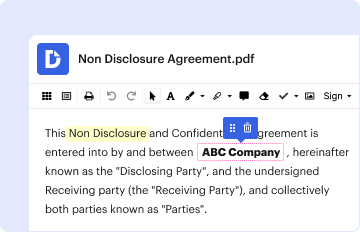
01. Edit your how to fill out federal visitation form online
Type text, add images, blackout confidential details, add comments, highlights and more.

Type text, add images, blackout confidential details, add comments, highlights and more.
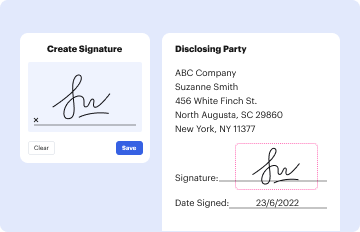
Draw your signature, type it, upload its image, or use your mobile device as a signature pad.
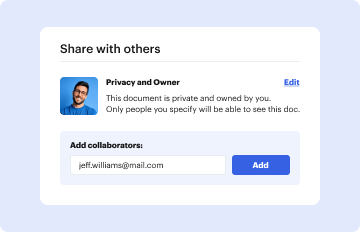
Send bp a0629 via email, link, or fax. You can also download it, export it or print it out.
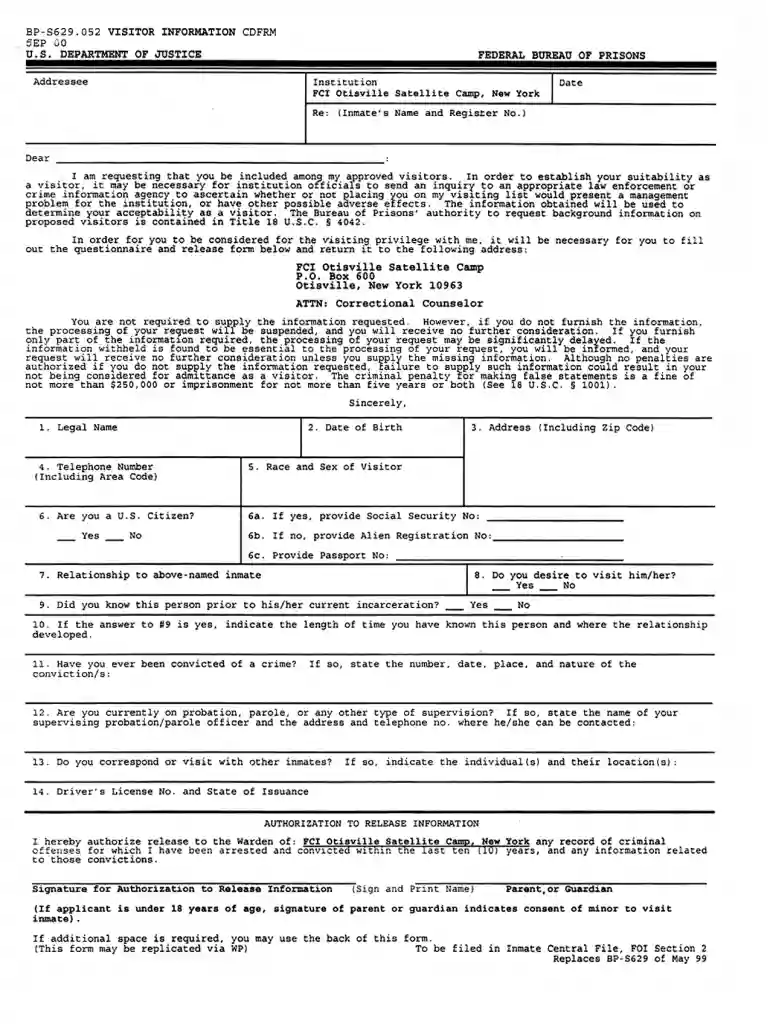
Form BP S629 052, commonly referred to as the Visitor Information Form, is a document used by the Federal Bureau of Prisons (BOP) to gather necessary data for processing visitation requests for inmates. This form is essential for anyone wishing to visit an inmate in a federal prison facility. By filling out this form, visitors provide key information that helps ensure proper identification, security, and adherence to the visitation policies set by the BOP.
The form collects various personal details about the visitor, such as name, address, and relationship to the inmate. This information aids in conducting background checks and verifying the visitor's eligibility. Understanding the importance of this form is crucial for facilitating a smooth visitation process while maintaining a secure environment for inmates and visitors alike.
These details not only streamline the visitation approval process but also play a significant role in maintaining safety protocols within the correctional facility.
Filling out the BP S629 052 requires careful attention to detail to ensure all necessary information is provided. Here is a step-by-step guide to assist you through the process:
Obtain the Form: The BP S629 052 can be accessed through the BOP's official website or requested at the prison facility where the inmate is housed.
Fill Out Visitor Information:
Provide Inmate Details:
Indicate Relationship:
Review Your Application:
Submit the Form:
Following these steps will ensure your application is processed effectively, increasing the likelihood of a successful visitation.
The BP S629 052 is integral for visitors who wish to access a federal prison facility. Upon obtaining and filling out the form, visitors follow a defined procedure to submit their requests. The process typically involves:
To maximize the chance of approval, ensure that all provided information is accurate and complete, and submit the form well in advance of your intended visitation date.
Using the BP S629 052 is governed by the policies set forth by the Federal Bureau of Prisons. Understanding the legal framework surrounding the form and its use is essential for visitors.
Understanding these legal factors can help visitors navigate the process confidently and remain compliant with the necessary regulations.
Practical application of the BP S629 052 allows individuals from various backgrounds to engage in the visitation process for federal inmates. Here are a few scenarios where this form plays a critical role:
Family Visits: A relative wishing to visit a family member in a federal facility would complete the BP S629 052, detailing their relationship and providing necessary personal information. This ensures they are verified as a legitimate visitor.
Friend's Support: A close friend of an inmate may use the BP S629 052 to request visitation. Their relationship must be clearly stated to establish the purpose of their visit.
Legal Representatives: Attorneys representing inmates utilize the BP S629 052 to gain access for consultations. The form must clearly identify their professional status to ensure compliance with legal visit protocols.
These examples illustrate the form's versatility and its importance in facilitating varied visitation scenarios, ensuring that the process remains secure and structured.
Completing the BP S629 052 accurately is essential for anyone looking to visit a federal inmate. Understanding how to fill out the form and the implications of the information provided enhances the likelihood of a successful visitation experience. This form not only serves as an administrative tool but also as a key element in upholding the security and order within correctional facilities, illustrating the balance between maintaining inmate welfare and public safety.
At DocHub, your data security is our priority. We follow HIPAA, SOC2, GDPR, and other standards, so you can work on your documents with confidence.
I am requesting that you be included among my approved visitors. In order to establish your suitability as a visitor, it may be necessary for institutionRead more
Dr. Heather Wakelee specializes in the treatment of lung cancer, thymoma and mesothelioma. She completed all post-graduate training at Stanford University.Read more


