




01. Edit your roofing certificate of completion online
Type text, add images, blackout confidential details, add comments, highlights and more.

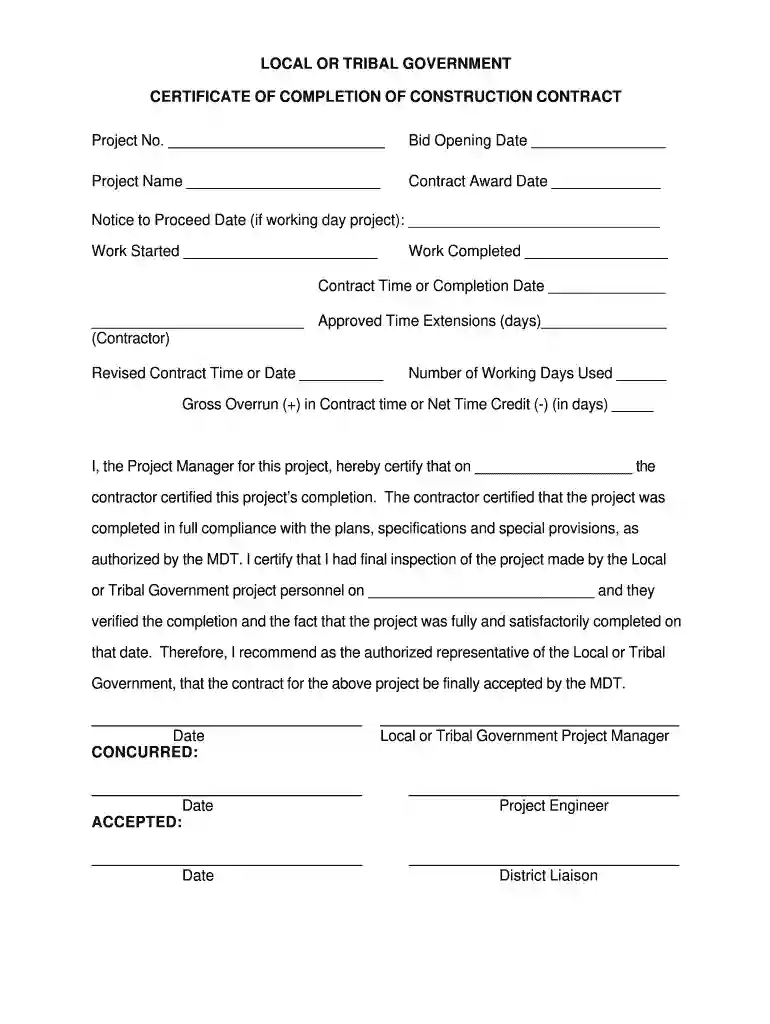
Type text, add images, blackout confidential details, add comments, highlights and more.

Draw your signature, type it, upload its image, or use your mobile device as a signature pad.

Send certificate of completion roofing via email, link, or fax. You can also download it, export it or print it out.
A roofing certificate of completion template serves as an official document validating that a roofing project has been finished in accordance with established specifications and local regulations. This certificate is particularly useful for homeowners, contractors, and insurance companies, as it communicates that the roofing work has met all necessary building codes and standards. Not only does it signify completion, but it also acts as a key piece of paperwork during real estate transactions or insurance claims, ensuring a clear record of the work conducted.
In many cases, this document also plays a critical role when homeowners need to provide proof of work for warranty purposes. It can vary in formality and may need to be customized based on state regulations or specific project details. By maintaining a standardized template, contractors can ensure that all required information is consistently captured, enhancing the credibility and professional appearance of their work.
A well-structured roofing certificate of completion template typically includes several essential elements to ensure its effectiveness and validity. The key components are as follows:
Project Information:
Certification Statement:
Signatures:
Contact Information:
By incorporating these elements, the certificate provides a comprehensive overview of the completed work and assures stakeholders that all contractual obligations have been satisfied.
Utilizing a roofing certificate of completion template involves a straightforward process. The steps are outlined below:
Download the Template: Obtain a certified template that complies with local regulations and industry standards. Various online resources provide free or paid templates suitable for different types of roofing projects.
Insert Project Details: Fill in the template with specific project information, including addresses, dates, and descriptions of the roofing services rendered.
Review and Customize: Ensure that all details are accurate. Depending on the complexity of the project or specific contractual agreements, you may need to customize sections for clarity or additional requirements.
Obtain Necessary Signatures: The contractor or project manager must sign the document, confirming the work’s completion. Ensure to include the date of the signature for record-keeping.
Distribute Copies: Provide copies of the completed certificate to relevant parties, such as the homeowner, any involved subcontractors, and insurance providers. Retain a copy for your records.
By following these steps, the roofing certificate of completion becomes a reliable document that substantiates the accomplishments of the roofing job.
To effectively complete the roofing certificate of completion template, follow these detailed procedures:
Gather Project Information: Before filling out the template, compile all necessary project details. This includes the homeowner’s name and address, details about the roofing materials used, and specifics regarding the work performed.
Tailor the Template: Open the template in a suitable editor, such as DocHub, where you can easily input and modify data. This platform allows for flexibility in terms of document formats and provides editing features that enhance usability.
Fill in the Required Fields: Input pertinent information in the designated sections. Accurately describe the work completed, including any notable features or modifications that were made during the project.
Review for Accuracy: Double-check all entered details for completeness and correctness. Errors in the document can lead to complications later on, particularly concerning warranties or insurance claims.
Finalize and Execute: Once all information is verified, the responsible party must sign the document. Make sure the date is recorded next to the signature for legal purposes.
Distribute and Store: After completion, distribute copies to all necessary parties while storing a copy securely within your records to ensure easy retrieval when required.
These steps facilitate the creation of a detailed and legally binding roofing certificate of completion, ensuring clarity and professionalism.
Understanding the importance of the roofing certificate of completion template involves recognizing its role in several critical areas:
Validation of Work: It serves as an official acknowledgment that roofing work complies with applicable codes and standards, providing assurance to homeowners and stakeholders.
Facilitation of Insurance Claims: Many insurance companies require proof of roofing work completion before approving claims or issuing policies. The certificate acts as a formal document to satisfy these requirements.
Enhanced Professionalism: Utilizing a standardized template promotes professionalism in contractor-client relationships, fostering trust and transparency.
Record Keeping: It provides an organized means of documentation for both contractors and homeowners, useful for future reference during property sales or warranty claims.
By leveraging the roofing certificate of completion template, all parties involved can navigate respective processes with confidence and clarity.
The legal implications of a roofing certificate of completion template are multifaceted and must be adhered to for its validity. Important compliance considerations include:
State Regulations: Different states may impose unique requirements regarding the content and format of the certificate. It is critical to familiarize yourself with local laws to ensure compliance.
Contractual Obligations: The template should reflect any specific obligations outlined in the original roofing contract. Failing to do so could lead to disputes or denial of warranty claims.
Liability Protection: Issuing the certificate provides a layer of liability protection to contractors, as it signifies that the work performed meets required standards and regulations.
Documentation in Disputes: In the event of disagreements or claims, the certificate becomes a critical piece of evidence demonstrating that the work was completed satisfactorily.
By considering these legal aspects, contractors can ensure that their roofing certificate of completion template provides not only proof of work but also protection against potential liability issues.
Several scenarios illustrate the application and importance of the roofing certificate of completion template:
During Home Sales: When a homeowner decides to sell their property, they may be requested by potential buyers to provide proof of completed work on the roof. A roofing certificate of completion serves as a valid document that assures prospective buyers of the integrity and quality of the roofing system.
Insurance Claims: If a homeowner faces damage due to adverse weather conditions, their insurance provider may need a roofing certificate of completion to assess the condition of the roof prior to the damage. This documentation plays a crucial role in determining whether the claim will be accepted.
Contractor Performance: For contractors, providing a roofing certificate of completion enhances their reputation and reliability in the industry. By issuing these certificates, contractors demonstrate their commitment to quality and compliance, attracting more clients in the future.
These practical scenarios exemplify how vital this document is in various contexts, reinforcing its necessity in the roofing industry.
At DocHub, your data security is our priority. We follow HIPAA, SOC2, GDPR, and other standards, so you can work on your documents with confidence.
May 20, 2016 For each inspection, the USPS qualified contract inspector retains a copy of the complete checklist and furnishes one copy to the local officeRead more
List all roofing projects completed in the last five (5) years, particularly on projects of a similar size and installation of built- up roofing systems perRead more
This form can show that a property has impact-resistant roofing. Some insurance companies may offer an insurance premium discount for buildings withRead more


