ASSOCIATED ALLERGISTS AND ASTHMA SPECIALISTS 2026

Get Form
associated allergists Preview on Page 1

Here's how it works

01. Edit your associated allergists online
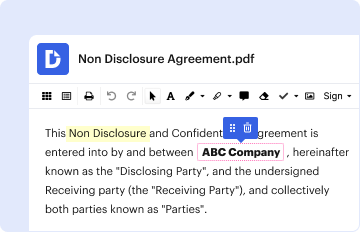
Type text, add images, blackout confidential details, add comments, highlights and more.
02. Sign it in a few clicks
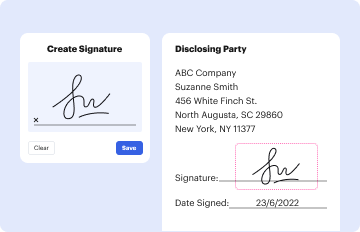
Draw your signature, type it, upload its image, or use your mobile device as a signature pad.
03. Share your form with others
Send it via email, link, or fax. You can also download it, export it or print it out.

How to use or fill out ASSOCIATED ALLERGISTS AND ASTHMA SPECIALISTS with our platform

Form edit decoration
9.5
Ease of Setup
DocHub User Ratings on G2
9.0
Ease of Use
DocHub User Ratings on G2
  1. Click ‘Get Form’ to open it in the editor.
  2. Begin by entering your 'Personal Best Peak Flow' in the designated field. This number is crucial for determining your peak flow zones.
  3. Refer to the Peak Flow Zone Chart. Identify which zone you fall into based on your personal best and current peak flow readings. Use the provided ranges for Green, Yellow, and Red zones.
  4. If you are in the Yellow or Red zone, follow the instructions outlined for each zone carefully. Make sure to note any medications you need to start or actions you must take.
  5. Review all entries for accuracy before saving or sharing your completed form. Utilize our platform's features to sign and distribute your document as needed.

Start using our platform today for free to manage your asthma action plan effectively!

be ready to get more

Complete this form in 5 minutes or less

Get form

Got questions?

We have answers to the most popular questions from our customers. If you can't find an answer to your question, please contact us.
Contact us
An allergist is a physician who specializes in the diagnosis and treatment of asthma and other allergic diseases. The allergist is specially trained to identify allergy and asthma triggers. Allergists help people treat or prevent their allergy problems.
An allergist (allergist/immunologist) is a doctor who diagnoses and treats allergies, asthma and immunologic conditions. In addition to medical school and residency, allergists have two to three years of special training in allergy and immunology.
If you have asthma, seeing an ENT specialist can help you get the best care and outcomes. ENT specialists often partner with asthma specialists, such as allergists and pulmonologists. These doctors can work together to ensure you receive proper testing, an accurate diagnosis, and the most thorough care.
Is your asthma triggered by environmental factors like pet dander, pollutants, mold or even certain plants or food? If so, an allergist may be right for you. If your asthma is caused by other factors like stress, exercise or is made worse by other respiratory illnesses, then a pulmonologist may be a better fit.
A pulmonologist can diagnose and treat respiratory system diseases. They might have certain areas that they specialize in, like critical care, asthma or sleep medicine.

Security and compliance

At DocHub, your data security is our priority. We follow HIPAA, SOC2, GDPR, and other standards, so you can work on your documents with confidence.

Learn more
ccpa2
pci-dss
gdpr-compliance
hipaa
soc-compliance
be ready to get more

Complete this form in 5 minutes or less

Get form

People also ask

Allergists and immunologists specialize in the diagnosis and treatment of allergies, asthma and other diseases of the immune system. Allergists receive specialized training in allergy and immunology, including training to identify allergy and asthma triggers.

Related links