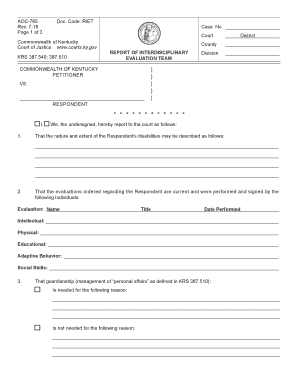


Tenancy agreement for an unfurnished house or flat 2026

Get Form
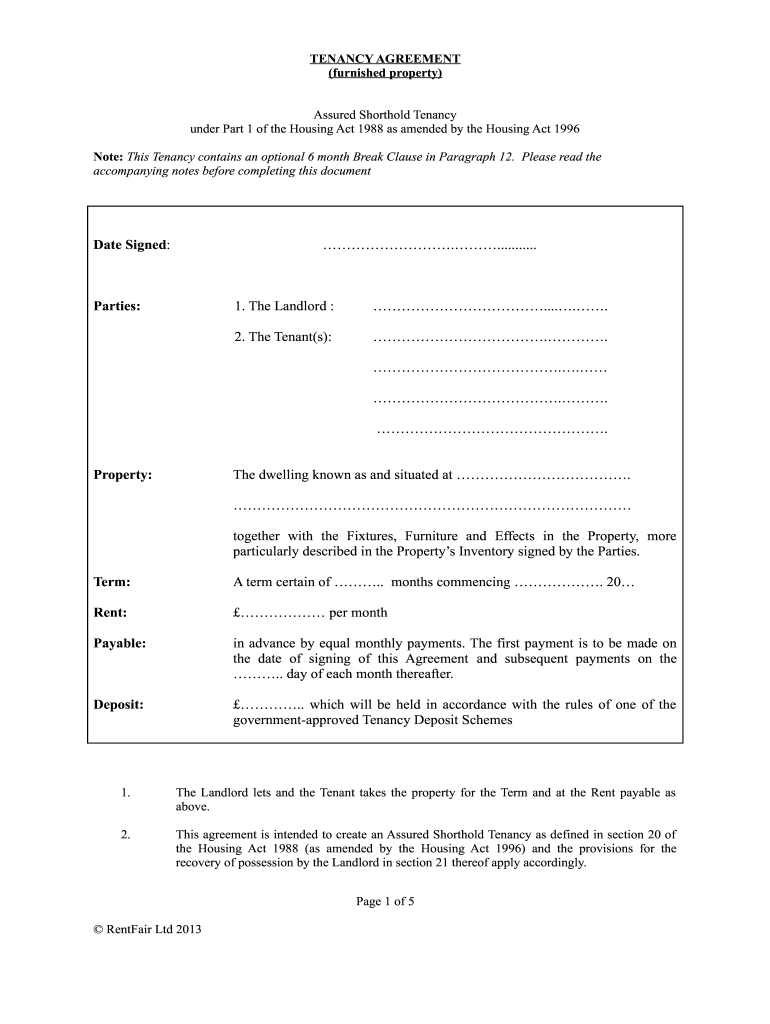
online agreement for rent charges Preview on Page 1

Here's how it works

01. Edit your online agreement for rent charges online
Type text, add images, blackout confidential details, add comments, highlights and more.
02. Sign it in a few clicks
Draw your signature, type it, upload its image, or use your mobile device as a signature pad.
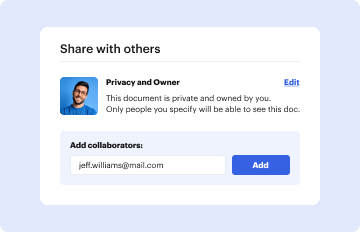
03. Share your form with others
Send rentfair via email, link, or fax. You can also download it, export it or print it out.

Definition & Meaning

A tenancy agreement for an unfurnished house or flat is a legal document that establishes the terms and conditions under which a landlord rents an unfurnished property to a tenant. Unlike furnished agreements, this type signifies that the provided property lacks significant furniture such as beds, sofas, and dining tables. Essential for protecting the rights of both parties, this document outlines the obligations, responsibilities, and expectations for maintenance, utilities, and any modifications to the premises.

Key Elements of the Tenancy Agreement for an Unfurnished House or Flat

The tenancy agreement contains several critical elements that ensure clarity and legal compliance:

  • Rent Details: Includes the agreed-upon monthly rent, payment due dates, and acceptable payment methods.
  • Deposit Information: Specifies the security deposit amount, conditions for its return, and circumstances under which deductions may apply.
  • Duration of Tenancy: Defines the length of the lease, typically with a start and end date, and provisions for renewal or extension.
  • Landlord and Tenant Obligations: Enumerates maintenance and repair duties, ensuring tenants understand what is expected regarding property upkeep.
  • Termination Clause: Details the process and notice required for either party to terminate the agreement before the end date.

Legal Use of the Tenancy Agreement for an Unfurnished House or Flat

In the U.S., this tenancy agreement serves as a binding contract that supports legal recourse should disagreements arise. It is essential for:

  • Enforcing Rights: Provides a framework for landlords to reclaim their property if tenants violate terms.
  • Tenant Protection: Safeguards tenants against unlawful rent increases or eviction procedures.
  • Legal Compliance: Ensures all stipulations meet state and federal housing laws, potentially including tenant rights to a habitable living environment.

How to Obtain the Tenancy Agreement for an Unfurnished House or Flat

Tenancy agreements can be obtained through several avenues:

  1. Real Estate Agents: Professionals who can supply standard agreements tailored to specific property needs.
  2. Online Templates: Widely available for customization to fit individual landlord and property specifications.
  3. Legal Counsel: Engaging an attorney ensures the form adheres to all specific legal requirements, providing peace of mind for landlords and tenants alike.

Steps to Complete the Tenancy Agreement for an Unfurnished House or Flat

Filling out this agreement involves several steps:

  1. Personal Information Entry: Include names, addresses, and contact information for both parties.
  2. Property Details: Describe the property, including its address and the fact that it is unfurnished.
  3. Financial Terms: Clearly outline rental and deposit amounts, along with payment schedules.
  4. Review and Acceptance: Both parties should carefully read the entire document to ensure understanding before signing.
  5. Signatures: Have all involved parties sign and date the agreement. Copies should be kept by both tenant and landlord for records.

State-Specific Rules for the Tenancy Agreement

Different states may have unique requirements or regulations regarding tenancy agreements:

  • Security Deposit Laws: Vary in terms of allowable amounts and the timeframe for returning deposits.
  • Notices for Termination: Legal requirements for notice periods can differ depending on the state.
  • Rent Control Ordinances: Some areas have rent control laws that impact the terms of the rental agreement.

Landlords should consult local laws or seek legal advice to ensure compliance.

Important Terms Related to the Tenancy Agreement

Understanding the following terms is beneficial:

  • Assured Shorthold Tenancy (AST): A common form of rental agreement in specific regions, dictating particular rights and obligations.
  • Quiet Enjoyment: A tenant's right to live without interference from the landlord, unless under permitted terms.
  • Tenure: Refers to the tenant's right to occupy the property under the conditions of the tenancy agreement.

Who Typically Uses the Tenancy Agreement for an Unfurnished House or Flat

This agreement is used by a variety of individuals and groups:

  • Landlords: Property owners who wish to lease their unfurnished properties.
  • Tenants: Individuals or families seeking housing and who are prepared to supply their own furniture.
  • Property Management Companies: Entities that manage rental properties on behalf of landlords.

decoration image ratings of Dochub

Why You Should Use a Tenancy Agreement for an Unfurnished House or Flat

Using this agreement is crucial:

  • Prevents Disputes: Clearly outlines duties and rights, minimizing potential conflicts.
  • Legal Safeguards: Provides legal protection and documentation for both parties.
  • Improves Cohabitation: Establishes ground rules that foster harmony between landlord and tenant, facilitating a positive rental experience.

These blocks provide a thorough understanding of what a tenancy agreement for an unfurnished house or flat entails, ensuring compliance and satisfaction for all parties involved.

be ready to get more

Complete this form in 5 minutes or less

Get form

Got questions?

We have answers to the most popular questions from our customers. If you can't find an answer to your question, please contact us.
Contact us
It depends. A fixed term offers more control and income stability. A periodic agreement offers flexibility but carries more risk. For most landlords, starting with a fixed term is the safer option.
The main difference between JTWROS and Tenancy in Common (TIC) lies in survivorship rights: JTWROS co-owners automatically inherit a deceased owners share, whereas TIC allows owners to will their shares to chosen beneficiaries.
The most common type of tenancy agreement for residential rentals is the Fixed-Term Lease, often for 6 to 12 months, providing stability with set rent and terms for both landlord and tenant, while the UKs Assured Shorthold Tenancy (AST) is also extremely prevalent for houses and flats, acting as a standard written agreement. These agreements define rent, duration, and rules, protecting both parties by preventing sudden rent hikes or vacancies and outlining responsibilities for upkeep and potential early termination fees. Key Features of Common Tenancy Agreements: Fixed-Term: A specific start and end date (e.g., 1 year), common for long-term rentals, offering predictable income for landlords and security for tenants, as terms cant change mid-lease. Assured Shorthold Tenancy (AST): The standard agreement for most UK residential rentals, used for houses, flats, and shared housing, as noted by Rentila and Maison Residential. Written Agreement: Most are written to avoid misunderstandings, detailing the property, rent, payment schedule, and rules, explains Illinois State Bar Association and Big Issue. Why Theyre Common: Security: Offers financial security and predictable cash flow, says MRI Software. Clarity: Clearly defines rights and responsibilities, reducing disputes, notes Big Issue. Other Types (Less Common for Standard Rentals): Tenancy-at-Will: Can be terminated with little notice, offering less security. Month-to-Month: More flexible but less stable than fixed-term leases. In essence, the stability and clear terms of a fixed-term lease make it the most prevalent choice for long-term residential rentals globally, with the AST being a key example in the UK market. AI can make mistakes, so double-check responsesYour Guide to Landlord-Tenant Law - Illinois State Bar Association Your Guide to Landlord-Tenant Law * Written Agreement: Most tenancies are in writing and are called a lease. No particular words Illinois State Bar AssociationHousing Types and Rental Agreements - Community RentalsJan 15, 2026 Fixed-term lease. A fixed-term lease is a type of rental agreement that covers a set amount of time, often 9 or 12 monUCSC Community Rentals
Red flags in a lease include vague language, clauses waiving tenant rights (like the right to a habitable space), excessive fees (late, early termination), unclear maintenance/repair responsibilities, non-refundable deposits, and clauses allowing the landlord unilateral changes or excessive entry, with other signs being pressure tactics or refusal to provide a written lease. Always read carefully, ask questions, negotiate unfavorable terms, and ensure the landlord is legitimate before signing. Lease Clause Red Flags Vague or Unclear Terms: Ambiguous language about responsibilities, repairs, or guests can lead to disputes. Waiver of Rights: Clauses that waive your right to a habitable home, repair-and-deduct, or sue the landlord are often illegal and major red flags. Excessive Fees: Unreasonably high late fees (e.g., over 10%) or exorbitant early termination penalties are problematic. Unclear Maintenance: Clauses that make you responsible for all repairs, even structural ones or pre-existing damage (like mold), are bad signs. Unfavorable Renewal/Termination: Automatic renewals or unclear subletting rules can trap you. As Is Clauses: Can make you responsible for pre-existing damage. Non-Refundable Deposits: Legally, security deposits should be refundable; ask for amendments. Excessive Entry/Storage: Clauses giving landlords unlimited entry or storage rights violate privacy. Landlord/Process Red Flags Pressure Tactics: Being rushed to sign, asked for untraceable payments (cash), or the landlord refusing to provide a written lease. No Property Visit: Refusal to let you see the property or the lease before paying. High Turnover/Complaints: Researching the property owner for previous tenant issues. Unrealistic Rent: Below-market rent can signal a scam. What to Do Get it in Writing: Demand a full, written lease. Negotiate: Request amendments for unfair clauses. Document: Take photos/videos of the propertys condition. Research: Check local tenant laws and landlord history. AI can make mistakes, so double-check responses5 Red Flags Every Renter Should Look for in a Lease | AvailFeb 7, 2022AvailLease agreements red flags : r/personalfinance - RedditApr 24, 2017 If someone asks for a deposit just to show you the place. Not showing you the lease or letting you read through it andRReddit r/personalfinance
Unfurnished meaning An unfurnished rental property is usually an empty space for you to furnish entirely yourself. The definition of empty is sometimes an ambiguous one, however. For example, an unfurnished may have no furniture in a bedroom, except some built-in wardrobes that come with the property itself.

Security and compliance

At DocHub, your data security is our priority. We follow HIPAA, SOC2, GDPR, and other standards, so you can work on your documents with confidence.

Learn more
ccpa2
pci-dss
gdpr-compliance
hipaa
soc-compliance

People also ask

A tenancy in common (TIC) is one of three types of concurrent estates (defined as an estate that has shared ownership, in which each owner owns a share of the property). The other two types are a joint tenancy and a tenancy by the entirety.
A strong roommate agreement should cover finances (rent/utilities), household chores/cleaning, guest policies, quiet hours/noise, and sharing rules for food/supplies, plus key details like names, term, and conflict resolution, to prevent conflicts and set clear expectations for shared living. Here are 5 key areas to include: Financial Responsibilities: Detail rent amounts, utility splits (electricity, internet, water), security deposit amounts, payment due dates, and consequences for late payments. Household Chores Cleaning: Outline specific cleaning duties for common areas (kitchen, bathroom, living room) and create a schedule or system for upkeep. Guest Visitor Policies: Define rules for overnight guests, number of visitors, party guidelines, and when guests are generally not welcome (e.g., during study times). Quiet Hours Noise Levels: Establish times for quiet hours, policies on loud music, TV, or instruments, and communication methods for noise complaints. Shared Items Food: Specify what household items (toiletries, cleaning supplies, kitchenware) will be shared, who buys them, and rules on borrowing food or personal items. Bonus Essentials: Include everyones full names, the address, agreement start/end dates, and a process for conflict resolution and termination to make it a complete contract. AI can make mistakes, so double-check responsesWhat are some agreements you would put in a roommate contract?Apr 18, 2022RReddit r/AskReddit13 Items You Absolutely Must Include in a Roommate AgreementOct 31, 2024 A roommate agreement is a written document outlining the expectations, responsibilities, and financial arrangements beApartment Guide
If you are a council tenant you will usually have one of two types of tenancy: A secure tenancy. An introductory tenancy.

tenancy agreement addendum template uk