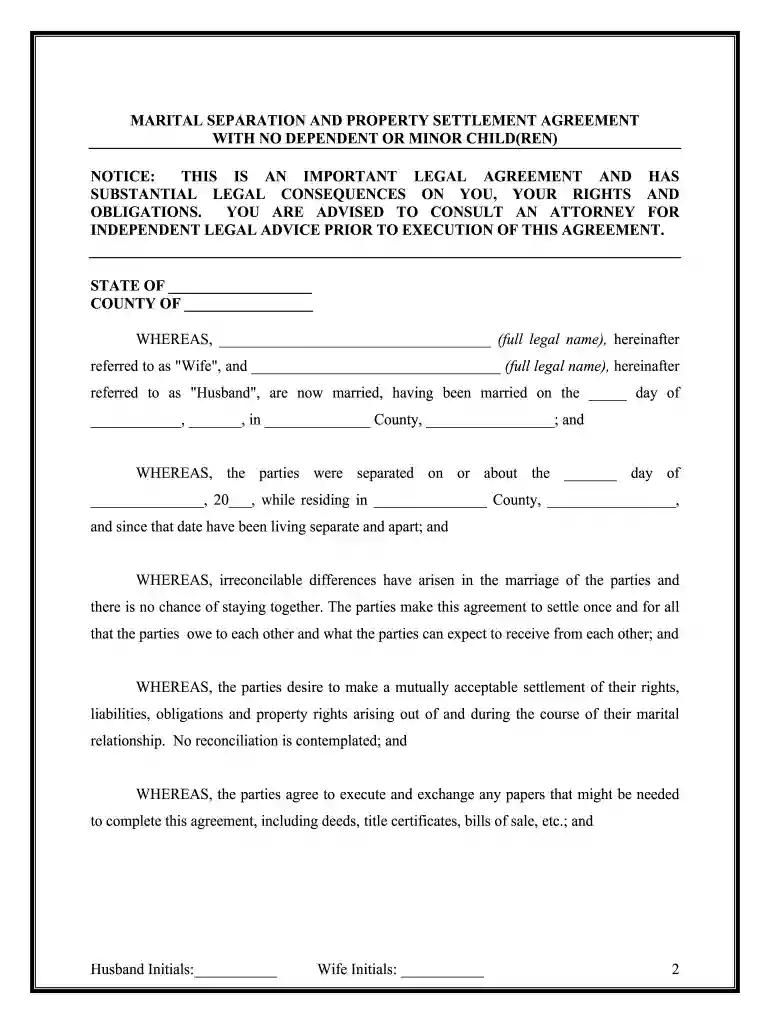
Definition and Meaning of Settlement Agreement Form
A settlement agreement form is a legal document that outlines an agreement between two or more parties to resolve a dispute without proceeding to trial. This form is typically used in various legal contexts, including civil litigation, family law, and employment disputes. The primary purpose of the settlement agreement is to create a legally enforceable resolution that details the obligations and rights of each party. Once signed, the agreement often includes terms about compensation, responsibilities, and waiving the right to pursue further legal claims related to the matter at hand.
Key Components of a Settlement Agreement Form
- Parties Involved: Clearly identifies the individuals or entities entering the agreement.
- Background or Context: Provides a brief overview of the dispute, including relevant circumstances that led to the settlement.
- Terms of Agreement: Detailed explanation of the agreed-upon terms, including payment amounts, deadlines, and specific actions to be taken by each party.
- Confidentiality Clause: May include provisions to keep the terms of the settlement confidential.
- Governance and Jurisdiction: Specifies which laws apply to the agreement and where disputes will be resolved if they arise.
Steps to Complete the Settlement Agreement Form
Completing a settlement agreement form involves several clear steps to ensure all relevant information is accurately captured.
- Gather Relevant Information: Collect details about the parties involved, the nature of the dispute, and any necessary documentation.
- Review Legal Requirements: Examine any legal guidelines that may apply to your specific situation, as laws can vary by state.
- Draft the Agreement: Use a template or draft your own by including all necessary components such as parties' names, terms, and conditions.
- Negotiate Terms: Engage in discussions with the other party to finalize the terms. This may require back-and-forth communication until both parties reach a consensus.
- Finalize and Sign: Once both parties agree to the terms, fill in the required details and sign the document. Consider notarization for added legal weight.
Important Terms Related to Settlement Agreement Form
Understanding key legal terminology is crucial when dealing with a settlement agreement form. Here are some critical terms:
- Breach of Agreement: Refers to failure to fulfill the obligations specified in the settlement.
- Mutual Releases: A clause where both parties agree not to pursue further legal action against each other regarding the settled matter.
- Consideration: Refers to what each party gains from the agreement, often involving monetary compensation or other benefits.
- Enforceability: The extent to which the settlement can be legally upheld in court.
Legal Use of the Settlement Agreement Form
Settlement agreement forms are recognized legally as binding contracts, meaning that they must comply with standard contract laws to be enforceable. For a settlement agreement to be considered valid, the following conditions must typically be met:
- Capacity: All parties must have the legal ability to enter into a contract, meaning they are of legal age and sound mind.
- Mutual Consent: Both parties must agree to the terms voluntarily without coercion or misrepresentation.
- Legality: The subject matter of the agreement must be legal, as agreements involving illegal activities are not enforceable.
- Written Format: While oral agreements may exist, it’s advisable to have a written document, as it is easier to prove in case of disputes.
Who Typically Uses the Settlement Agreement Form
Various individuals and groups use settlement agreement forms across different contexts. Common users include:

- Individuals: Private parties resolving personal disputes, such as family law matters or contractual disagreements.
- Businesses: Corporations or partnerships settling disputes over contracts or employee grievances.
- Lawyers: Legal professionals drafting agreements to formalize settlements for their clients.
- Government Entities: Often involved in resolving disputes over regulatory or compliance issues.
Examples of Using the Settlement Agreement Form
Here are some scenarios exemplifying the use of a settlement agreement form:
- Divorce Settlements: A couple may use the form to outline property division and spousal support terms following divorce proceedings.
- Employment Disputes: An employee and employer might sign an agreement to resolve a wrongful termination claim, detailing the compensation and any confidentiality requirements.
- Personal Injury Cases: A plaintiff may agree to a monetary settlement from an insurance company in exchange for dropping a lawsuit following an accident.
State-Specific Rules for the Settlement Agreement Form
Regulations governing settlement agreements can vary significantly by state, impacting how they are drafted, executed, and enforced. Key aspects to consider include:
- Notarization Requirements: Some states mandate that settlement agreements be notarized to be enforceable.
- Time Limits for Disputes: Various states have statutes of limitations that dictate how long parties have to resolve disputes or contest agreements.
- Specific Legal Precedents: Local case law may influence how similar agreements are interpreted and enforced, requiring awareness of jurisdictional nuances.
Required Documents for Settlement Agreement Form
To effectively complete a settlement agreement form, certain documents may need to be provided or referenced, including:
- Identification Documents: Proof of identity for all parties involved.
- Original Contracts or Agreements: Documentation relevant to the dispute under consideration.
- Evidence or Correspondence: Any correspondence, emails, or records that illustrate the facts leading to the settlement.
- Financial Statements: Relevant financial information if monetary compensation or reparations are part of the agreement.
Completing a settlement agreement form thoroughly protects the rights of all parties involved and ensures that the resolution is clear, enforceable, and legally binding.