




Definition & Meaning of Beat License Agreement Template PDF
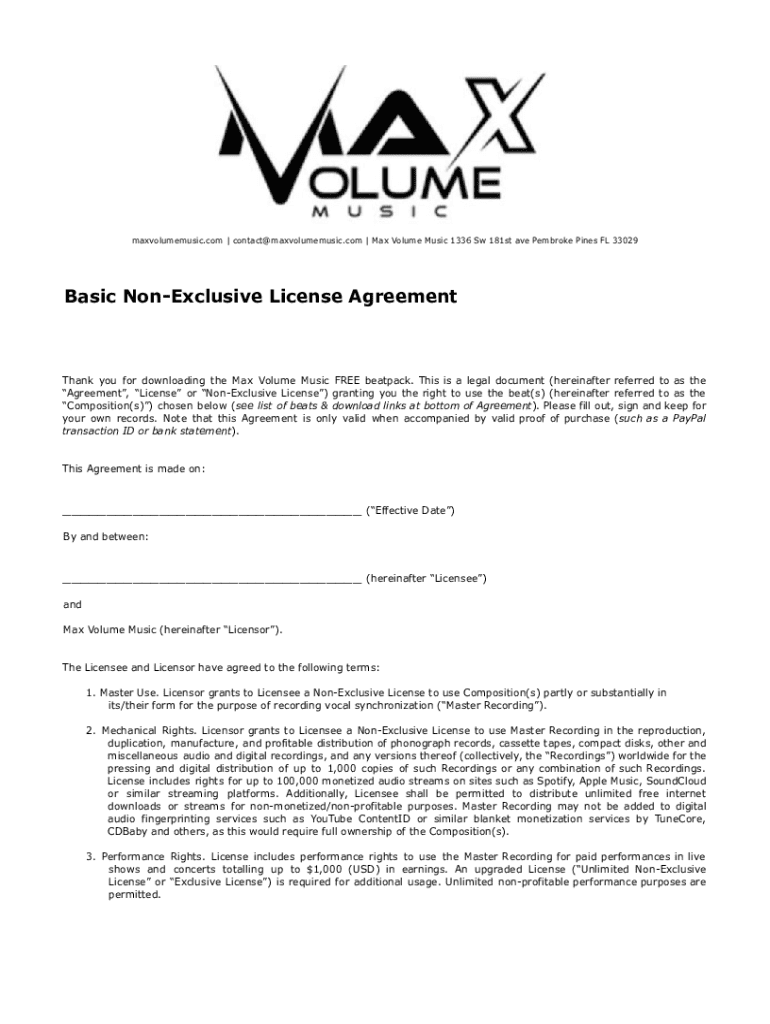
A beat license agreement template PDF is a legal document that outlines the terms under which a buyer can use a specific musical composition, or "beat," produced by a seller. This template serves as a guideline for drafting a contract that protects both parties' rights in the context of music licensing. It details the scope of usage, responsibilities, and any limitations regarding the beat. The seller retains copyright ownership while granting the buyer a license to perform, record, and distribute the new work created using the beat.
This agreement is vital for producers and buyers in the music industry as it clarifies ownership and usage rights, mitigating potential disputes. The document often includes specific language about the duration of the license, rights to modifications, and requirements for crediting the seller, ensuring that all parties are on the same page regarding their rights and obligations.
Key Elements of the Beat License Agreement Template PDF
A well-designed beat license agreement template PDF typically includes several crucial components to ensure clarity and legal standing:
-
Parties Involved: This section identifies the seller (the producer) and the buyer, outlining their legal names and addresses.
-
Description of the Beat: Detailed descriptions of the musical composition being licensed, including title, duration, and any specific identifiers (such as catalog numbers).
-
License Grant: This specifies the rights being granted to the buyer, which may include the ability to reproduce, distribute, and perform the new work.
-
Payment Terms: Information regarding the compensation for the license, including any upfront fees and royalties.
-
Duration of License: A clear statement on how long the license is valid, including start and end dates, if applicable.
-
Credit Requirements: Guidelines on how and when the seller should be credited in any new work.
-
Limitations and Restrictions: Any restrictions on the use of the beat, including geographic limitations and types of media in which the composition can appear.
-
Termination Clause: Conditions under which either party may terminate the agreement, along with any applicable penalties.
Understanding these elements helps producers and buyers create legally sound agreements that prevent misunderstandings or conflicts in the future.
How to Use the Beat License Agreement Template PDF
To effectively utilize a beat license agreement template PDF, follow these essential steps:
-
Download the Template: Obtain a reliable blank template from a verified source or create your own based on standard elements outlined in industry practices.
-
Fill in the Parties’ Information: Enter the legal names and contact information of both the seller and buyer. Ensure accuracy to avoid future complications.
-
Describe the Beat: Identify the specific beat being licensed. Provide titles, links, or audio file references to eliminate confusion.
-
Define Payment Terms: Clearly state any fees associated with the licensing agreement. Indicate whether the payment is one-time or if royalties will apply for uses beyond an initial scope.
-
Specify Rights and Limitations: Detail which rights are granted to the buyer and any limitations on how the beat can be used, ensuring compliance with copyright laws.
-
Review and Edit: Carefully review the completed document for clarity and completeness. Wording should be precise to reflect the intent clearly.
-
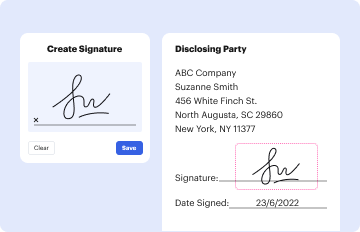
Sign and Date: Ensure both parties sign and date the agreement. This creates a legally binding document that formalizes the transaction.
By following these steps, users can ensure that they create a robust and effective license agreement that protects both the producer's rights and the buyer's interests.
Legal Use of the Beat License Agreement Template PDF
Utilizing a beat license agreement template PDF is essential for legal soundness in the music industry. The agreement ensures that any use of a beat is compliant with copyright laws, as both parties must adhere to the conditions laid out in the document. A legally sound contract helps in the following ways:
-
Protects Intellectual Property: The agreement secures the seller’s copyright while allowing the buyer specific rights, safeguarding the music production’s economic value.
-
Clarifies Usage Terms: By defining what the buyer can and cannot do with the beat, it diminishes the risk of unauthorized usage which can lead to potential lawsuits.
-
Documents Obligations: Clearly outlines obligations such as crediting the seller or obtaining additional permissions for samples, thereby fostering professional integrity.
-
Establishes Legal Recourse: Should disputes arise, a properly executed agreement offers a legal framework for resolution, ensuring that both parties have access to justice.
An understanding of the legal implications and requirements of the beat license agreement template PDF is essential for anyone participating in music licensing, as it lays the groundwork for successful collaborations.
Examples of Using the Beat License Agreement Template PDF
Several scenarios illustrate the practical applications and benefits of using a beat license agreement template PDF in the music industry:
-
Independent Artist Agreement: An independent artist wishes to use a beat in their next single. They download and complete a beat license agreement, outlining the usage rights, which allows them to promote and sell their song legally.
-
Film Production Case: A filmmaker selects a unique beat for their project. By entering into a license agreement with the producer, they can legally incorporate the music into their film, ensuring both the film and music careers benefit.
-
Podcast Usage: A podcaster finds a beat suitable for their show intro and negotiation ensues using a beat license agreement. This formalizes the rights to use the composition, allowing for seamless advertisement placements.
These examples highlight the diverse applications of beat license agreements across creative fields, demonstrating how essential they are for protecting the rights of both creators and users in the evolving landscape of the music and media industry.