
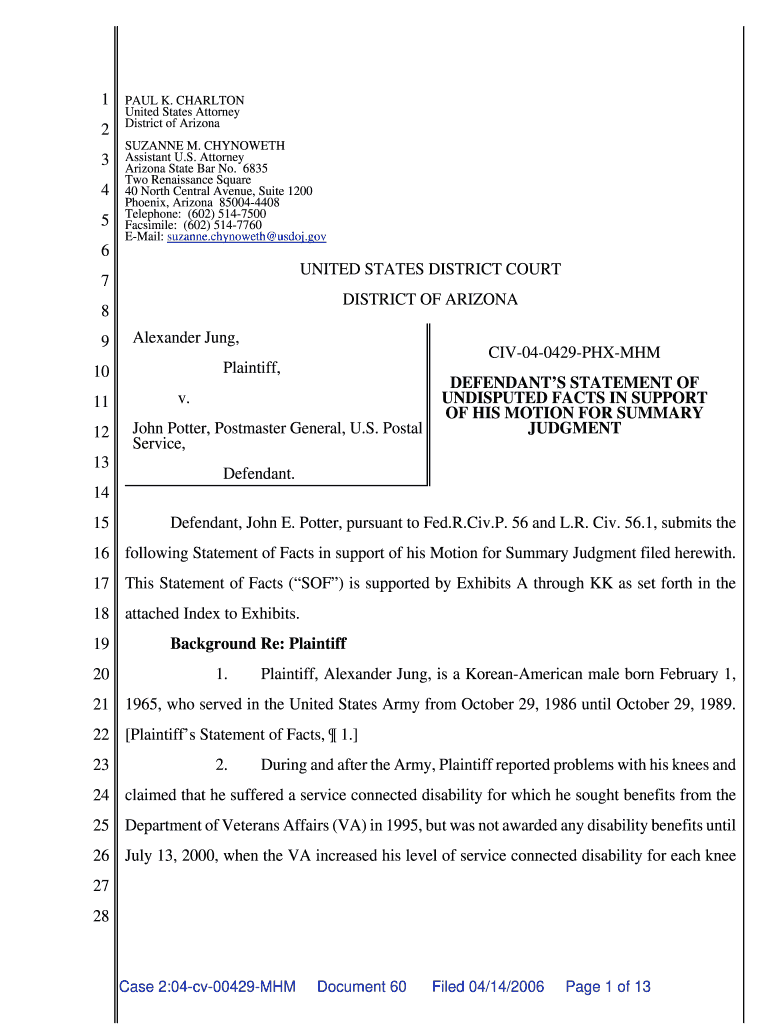







Understanding 28 Line Pleading Paper
28 line pleading paper is a specific document format commonly used in legal proceedings in the United States. This paper is specifically structured to facilitate the preparation of legal documents such as pleadings, motions, and briefs, ensuring that they meet required formatting guidelines. The layout typically consists of 28 lines per page, allowing attorneys to write their arguments in a clear and organized manner.
Key Features of 28 Line Pleading Paper
- Line Count: As the name suggests, this paper accommodates 28 lines in a standard format, which helps in maintaining organization and readability.
- Margins: The margins on pleading paper are typically regulated to promote uniformity among legal filings.
- Header Sections: Many pleading papers include sections at the top for case titles, court information, and other necessary identifiers.
- Size Options: Available in various sizes, the most common size being letter (8.5 x 11 inches), which is standard for legal documents in the U.S.
How to Utilize 28 Line Pleading Paper
Utilizing 28 line pleading paper effectively requires understanding the format's intended use in legal contexts:
- Filing Complaints: This paper serves as the basis for filing initial complaints in civil cases.
- Motion Submissions: Parties submit motions, which can significantly impact the outcome of cases, on pleading paper.
- Responses and Replies: Defendants and plaintiffs often respond to motions submitted by other parties using the same paper.
Accessibility and Templates
28 line pleading paper templates are readily available in various digital formats:
- PDF Formats: Downloadable versions allow for easy printing while maintaining the correct formatting.
- Word Processor Templates: Options in Microsoft Word or Google Docs enable users to customize their pleadings without compromising the layout.
- California Specifics: In California, specific templates are often provided by legal professionals, ensuring compliance with state court rules.
Examples of Pleading Paper Use Cases
Legal Filings
When preparing legal documents, particular scenarios require the use of 28 line pleading paper. Here are some common examples:
- Civil Lawsuits: Plaintiffs draft complaints stating their case against a defendant, necessitating precise formatting for acceptance by the court.
- Family Law Cases: Filings regarding custody, divorce, or support often utilize this paper in various petitions or responses.
Filling Out the Document
Filling out a pleading paper involves several key considerations:
- Formatting the Case Caption: The document should start with a properly formatted case caption containing the court name, case number, and title of the action (e.g., "John Doe v. Jane Smith").
- Numbering Pages: Sequentially numbering pages is essential for organization and reference throughout the legal process.
Legal Documentation Compliance
Adhering to proper legal documentation practices is crucial in ensuring that pleadings are accepted:
- Court Rules: Each jurisdiction may have specific rules regarding the use of pleading paper, requiring legal practitioners to familiarize themselves with relevant guidelines.
- Clarity in Language: The language used in the content must remain clear and precise to enhance understanding and maintain the court's attention.
Downloading and Printing 28 Line Pleading Paper
Accessing Templates Online
28 line pleading paper templates can often be found on various legal resource websites:
- DocHub: Provides editable documents that can be customized, making the filing process easier.
- Free Legal Resources: Many sites offer free downloadable versions in PDF format, enabling easy access for attorneys and self-represented litigants.
Printing Considerations
When printing pleading paper, consider the following aspects:
- Quality of Print: Ensure high-quality printing to maintain legibility, especially for important line spacing and margins.
- Paper Type: Using a standard white or off-white bond paper is often recommended for legal filings.
Preparing Pleadings: Steps and Guidelines
Step-by-Step Preparation
Preparing a pleading using 28 line paper typically follows these structured steps:
- Select the Correct Template: Choose based on your specific legal needs and jurisdiction.
- Input Essential Information: Fill in the required headings and case information.
- Draft the Content: Compose the narrative or argument while adhering to formatting rules.
- Review and Edit: Ensure compliance with all legal standards before final submission.
Important Elements to Include
When filling out a pleading, certain elements are crucial:
- Title of the Document: Clearly describe what the document is (e.g., "Motion to Dismiss").
- Subsections for Clarity: Utilize headings and subsections within the pleading to enhance readability and organization.
Conclusion on Legal Implications
Understanding the specific uses and requirements of 28 line pleading paper allows legal professionals and those involved in litigation to navigate the court system effectively. By adhering to these guidelines and utilizing proper formats, the chances of successful legal outcomes can be improved.




