





Definition & Meaning
The "Commercial Building Code Summary Form" serves as a critical tool for documenting compliance with building codes relevant to commercial projects. This form gathers detailed information about the construction standards and safety requirements for a variety of commercial structures, excluding one and two-family dwellings and townhouses. It ensures that key elements, such as fire safety, accessibility, and structural integrity, align with the applicable legal and safety codes. By encapsulating all necessary information about building specifications and requisite compliance measures, the summary form acts as a comprehensive reference for developers, architects, engineers, and building inspectors.
Compliance Standards
- Fire Safety Requirements: Outline fire-resistant materials and fire detection systems.
- Structural Integrity: Include parameters for load-bearing elements and foundational strength.
- Accessibility: Ensure structures meet ADA requirements for accessibility and usability.
Examples of how these elements are integrated into a project can be observed in the design of multi-story office buildings or retail centers, where detailed adherence to these guidelines ensures a balance of safety and functionality.
Steps to Complete the Commercial Building Code Summary Form
Completing the Commercial Building Code Summary Form properly requires a thorough understanding of the building code requirements and a systematic approach to information gathering.
- Gather Necessary Building Plans: Review architectural drawings and engineering diagrams to extract relevant data.
- Identify Critical Compliance Areas: Focus on fire safety, structural elements, and accessibility requirements.
- Complete Form Sections: Use gathered data to fill in each section of the form accurately.
- Verification and Validation: Cross-check with relevant codes, such as the International Building Code (IBC), to ensure consistency and compliance.
- Submission and Review: Submit to the designated local building authority for approval and inspection.
Common Challenges
- Incomplete Data: Ensure all necessary information is captured during the planning phase.
- Code Variations: Recognize differences in state or local building codes that could affect the form's content.
Key Elements of the Commercial Building Code Summary Form
Identifying the essential components of the Commercial Building Code Summary Form allows for precise data entry and compliance verification.
- Project Identification: Include the name and address of the project.
- Building Specifications: Detail dimensions, occupancy type, and use classification.
- Safety Features: Document fire alarm systems, sprinkler setups, and emergency exits.
- Material Standards: Note the types of materials used, emphasizing safety and environmental standards.
Each of these elements plays a vital role in ensuring that the building meets established guidelines and that the construction process adheres to documented safety and quality measures.
Important Terms Related to Commercial Building Code Summary Form
Understanding specific terminology is critical for completing the Commercial Building Code Summary Form accurately. Here are some key terms:
- Occupancy Load: The maximum number of individuals permitted in a building or space, critical for safety planning.
- Egress Pathways: Designated routes that ensure clear, safe exits in emergencies.
- Fire-Rated Assembly: A building component assembly that can withstand fire exposure for a specific time, crucial for fire prevention design.
These terms are integral to interpreting and completing the form correctly, ensuring full compliance with building codes.
Who Typically Uses the Commercial Building Code Summary Form
The Commercial Building Code Summary Form is mainly used by professionals involved in the planning and execution of commercial building projects.


Key Users
- Architects and Engineers: To ensure design compliance with regulatory standards.
- Construction Managers: To coordinate construction activities in line with approved plans.
- Building Inspectors: To verify adherence to building codes and safety regulations.
These professionals rely on the form for clear, well-documented specifications that drive safe, compliant building operations.
State-Specific Rules for the Commercial Building Code Summary Form
Building codes and the accompanying summary forms can vary significantly between states, affecting how they are completed and interpreted.
Notable Differences
- California: Stringent energy efficiency requirements due to the state’s focus on reducing environmental impact.
- Florida: Enhanced hurricane and wind resilience standards necessitate additional form details.
- New York: Specific urban zoning regulations can influence form entries for buildings in densely populated areas.
A thorough understanding and application of state-specific rules ensure that all commercial projects meet localized compliance requirements.
Examples of Using the Commercial Building Code Summary Form
Real-world cases illustrate the utility and application of the Commercial Building Code Summary Form, providing clarity on its role in commercial construction.
Case Studies
- Renovation of a Historic Building: Required adapting modern safety systems while maintaining historical aesthetics, detailed on the form for contractor reference.
- New Office Complex: Emphasized enhanced egress pathways and fire resistance for a large employee population, documented for inspection purposes.
These examples demonstrate how the form serves as a roadmap to compliance, highlighting essential preparatory steps in achieving successful project outcomes.
Software Compatibility
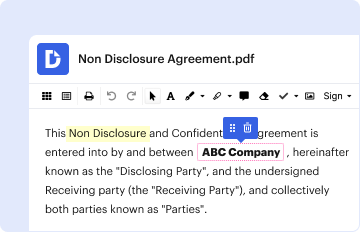
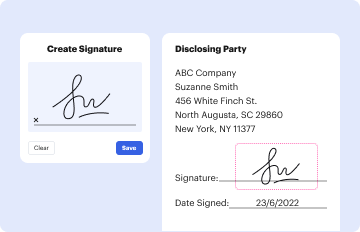
DocHub's platform enhances the document workflow for those completing the Commercial Building Code Summary Form. The flexibility to import and edit documents in various formats ensures seamless manipulation and submission.
Features
- Cloud Integration: Direct access to files from services like Google Drive and Dropbox.
- Cross-Platform Usability: Accessible editing tools for both desktop and mobile web browsers.
- Security Features: Protects document integrity through encryption and secure authentication.
For users employing digital means, these capabilities facilitate efficient form completion and submission, aligning with modern workflow practices.


