






Definition & Meaning
The "Outdoor Air Acceptance Form 2025-CEC-NRCA-MCH-02-A" is a standardized document used to verify compliance with outdoor air quality standards as set forth by the California Energy Commission. This form is integral to confirming that any new construction or major renovation meets mandatory ventilation requirements. It signifies that the project's HVAC systems can appropriately manage and distribute outdoor air, contributing to occupant health and building efficiency.
How to Obtain the Outdoor Air Acceptance Form 2025-CEC-NRCA-MCH-02-A
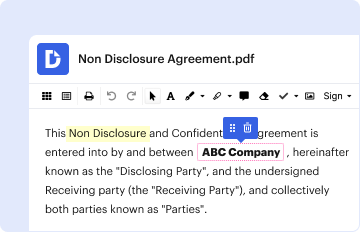
To obtain the Outdoor Air Acceptance Form 2025-CEC-NRCA-MCH-02-A, you can visit the California Energy Commission's official website or contact local building authorities. Availability might vary based on jurisdiction, so it's advisable to consult with the project's local permitting agency. Some agencies might provide physical copies, while others may offer downloadable versions. Additionally, software tools or services like DocHub could provide digital access and the ability to fill out and manage the document online.
Steps to Complete the Outdoor Air Acceptance Form 2025-CEC-NRCA-MCH-02-A
-
Identify the Project: Start by filling in details about the project, including the project's name, address, city, and zip code.
-
Authority Information: Provide information about the Authority Having Jurisdiction (AHJ) such as the enforcement agency and permit numbers.
-
System Specifications: Detail the HVAC systems being assessed. Include technical specifications and compliance metrics pertinent to outdoor air management.
-
Verification Tests: Document the results of any required tests or inspections that verify compliance with ventilation standards.
-
Certification Statement: The form must be signed by a certified professional, signifying that the information provided is accurate and meets CEC requirements.
-
Submit the Form: Follow local guidelines for submission, which may include online uploads, mailing physical documents, or in-person delivery.
Key Elements of the Outdoor Air Acceptance Form 2025-CEC-NRCA-MCH-02-A
- Project Details: Contains essential information about the construction project including address and permit details.
- Compliance Checklist: A series of criteria that must be fulfilled according to regulatory standards. This includes ventilation flow rates and energy codes.
- HVAC System Details: Specification and operational data concerning the heating, ventilation, and air conditioning systems.
- Professional Certification: Signature and contact details of the certified professional who conducted the acceptance testing.
Legal Use of the Outdoor Air Acceptance Form 2025-CEC-NRCA-MCH-02-A
This form is legally required for obtaining final building permits in California for projects involving significant HVAC system installations or renovations. It ensures compliance with the Title 24 Building Energy Efficiency Standards. Failure to submit this form may result in legal penalties, a halt in project progress, or additional inspections by local authorities to correct non-compliance issues.
Who Typically Uses the Outdoor Air Acceptance Form 2025-CEC-NRCA-MCH-02-A
- Construction Project Managers: Use the form to verify compliance before project completion.
- HVAC Specialists: Complete sections relating to system performance and testing.
- Building Inspectors: Reference it to ensure regulatory compliance before granting occupancy permits.
- Environmental Consultants: Engage in the process to ensure that the installation optimizes indoor air quality and meets environmental standards.


State-Specific Rules for the Outdoor Air Acceptance Form 2025-CEC-NRCA-MCH-02-A
California-specific rules mandate that all major building projects file this form as part of the compliance protocol for Title 24, California Code of Regulations. Each region might have specific nuances that affect the form's processing, like varying thresholds for air change rates. It's crucial to consult local guidelines to ensure the form is completed and submitted in accordance with these rules.
Digital vs. Paper Version
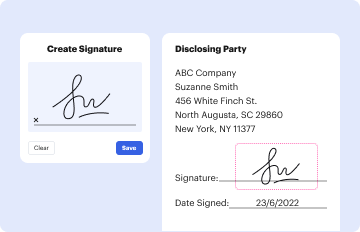
The form is available both digitally and in paper format. The digital version, often accessible through platforms like DocHub, enables users to fill, edit, and sign the document electronically, facilitating easy sharing and modification. The paper version might be required in some jurisdictions for official records, especially where digital submissions are not yet fully integrated into the regulatory system. Transitioning to digital forms improves efficiency, reduces errors, and is environmentally friendly.


