





Definition & Meaning
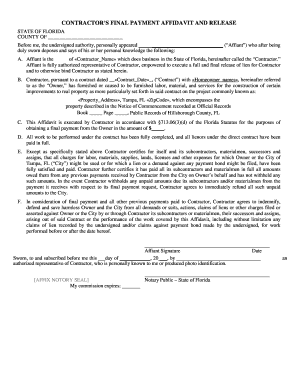
A Medical Power of Attorney Form is a legal document that allows an individual, known as the principal, to designate another person, called an agent or healthcare proxy, to make medical decisions on their behalf if they become unable to do so themselves. This form is crucial in ensuring that the principal's medical preferences and treatments align with their personal values and wishes in case of incapacitation. Unlike a general power of attorney that covers various financial and personal matters, this form is specific to healthcare-related decisions.
The agent is entrusted with the responsibility to communicate with healthcare providers, make decisions about treatments and procedures, and even alter the principal's medical care plan based on the directives outlined in the document. It is essential that the principal selects a trustworthy agent who understands and respects their medical preferences.
Key Elements of the Medical Power of Attorney Form
The Medical Power of Attorney Form typically contains several crucial elements to ensure it is comprehensive and effective:
-
Principal Details: The form must include the full legal name, address, and contact information of the principal.
-
Agent Designation: This section identifies the agent or healthcare proxy by providing their name, relationship to the principal, address, and contact information.
-
Alternate Agents: It is advisable to name one or more alternate agents in case the primary agent is unwilling or unable to serve.
-
Powers and Limitations: Clearly outline the powers granted to the agent, any specific medical treatments the agent is authorized or restricted to consent to, and any limitations in decisions the agent can make.
-
Effective Date and Duration: Specify when the power of attorney becomes effective—either immediately or upon incapacitation—and define its duration.
-
Signature and Witnesses: The principal must sign the document in the presence of witnesses. Often, a notary public is also required to validate the document.
How to use the Medical Power of Attorney Form
Utilizing the Medical Power of Attorney Form involves several key steps to ensure that it is legally binding and effective:
-
Selection of an Agent: Choose a trusted individual who understands your medical preferences and is willing to act on your behalf.
-
Completing the Form: Accurately fill out all sections of the form, including personal details and specific instructions for medical decisions.
-
Consulting legal counsel: It is often wise to consult with an attorney to ensure that the form complies with state laws and adequately reflects your wishes.
-
Executing the Form: Sign the completed form in the presence of the required number of witnesses and/or a notary public to make it valid.
-
Distributing Copies: Provide copies of the signed form to the agent, healthcare providers, and any other key parties involved in your medical care to ensure they are aware of the designated agent.
Legal Use of the Medical Power of Attorney Form
The legal utility of the Medical Power of Attorney Form is to authorize an agent to make medical decisions on behalf of the principal, primarily when the principal is incapacitated. This form ensures that the principal’s medical care aligns with their beliefs, values, and preferences, minimizing the potential for disputes among family members or between the family and healthcare providers.
For the form to be legally valid, it must be executed according to the state-specific laws, which often require that the document is witnessed, notarized, or both. Some states may require additional stipulations, such as specific language or forms, to be used.
State-Specific Rules for the Medical Power of Attorney Form
Each state in the U.S. has its regulatory nuances regarding Medical Power of Attorney Forms. It is important to adhere to the state-specific rules, which may include:
-
Standard Forms: Some states provide a statutory form, which must be used or adapted.
-
Witness and Notary Requirements: States vary regarding the number of witnesses required and whether notarization is essential.
-
Agent Qualifications: Certain states may impose age restrictions or other qualifications for an agent.
-
Revocation Procedures: Many states outline specific procedures for revoking or amending the document, which must be followed to remain compliant.
Steps to Complete the Medical Power of Attorney Form
Completing the Medical Power of Attorney Form involves several detailed steps to ensure it is accurate and legally binding:
-
Gather Information: Collect all relevant personal and contact information for both the principal and the designated agent(s).
-
Draft the Document: Using the statutory form, or one guided by legal counsel, fill in all necessary information about the powers granted, any limitations, and alternate agents.
-
Review: Carefully review the document to ensure all details are correct and that the instructions precisely reflect the principal’s wishes.
-
Execution: Sign the document with the necessary witnesses and obtain notarization if required by your state.
-
Record-Keeping: Store the original document in a safe place and distribute copies to the agent and healthcare providers.
Important Terms Related to Medical Power of Attorney Form
Understanding the terminology associated with a Medical Power of Attorney Form can clarify its functions and roles:
-
Principal: The individual who creates and signs the Medical Power of Attorney Form, granting authority to the agent.
-
Agent/Healthcare Proxy: The person authorized to make healthcare decisions on behalf of the principal as per the directives in the form.
-
Incapacitation: A medical condition in which the principal is unable to make informed decisions due to mental or physical impairment. This often triggers the effectiveness of the Medical Power of Attorney.
-
Durable: Refers to the ability of the Medical Power of Attorney to remain effective even if the principal becomes incapacitated.
Who Typically Uses the Medical Power of Attorney Form
The Medical Power of Attorney Form is typically used by individuals who want to ensure their medical treatment preferences are adhered to if they become incapacitated. This includes:
-
Elderly individuals: Ensuring their medical care aligns with their desires as they age.
-
Patients with chronic illnesses: Providing a plan for future medical decisions.
-
Military personnel: Arranging for medical decision-making during deployment.
-
Ardent planners: Anyone who prefers to have clear directives in place for unforeseen medical situations.