



Definition and Purpose of the Facility-Based Treatment Form
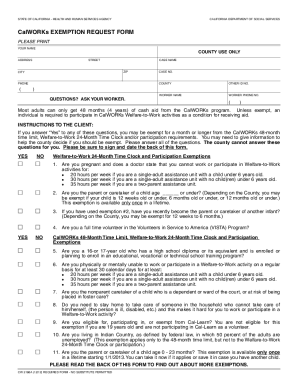
The Facility-Based Treatment Form is a comprehensive document utilized to authorize and review medical necessity for facility-based treatment services. This form plays a crucial role in ensuring that individuals receive the appropriate level of care needed, based on their specific medical conditions and requirements. It acts as a bridge between healthcare providers and insurance companies, facilitating the approval process for treatment plans and verifying the necessity of specific services. The form must be completed meticulously to reflect accurate patient information and treatment details, providing a clear justification for the proposed treatment interventions.
Key Components of the Form
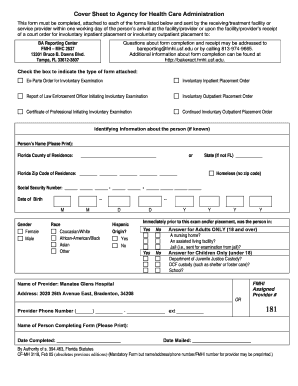
- Patient Information: Essential details about the patient, including full name, date of birth, and insurance information.
- Treatment Facility Details: Information regarding the facility where the treatment will occur, including its name, location, and contact numbers.
- Diagnosis and Treatment Plan: A section dedicated to the patient's diagnosis, proposed treatment plans, and expected outcomes.
- Medical Justification: A detailed explanation of why facility-based treatment is necessary for the patient, supported by clinical evidence and historical patient data.
- Authorization and Signatures: Includes spaces for necessary signatures from healthcare providers and, in some cases, a representative from the insurance company.
How to Use the Facility-Based Treatment Form
Understanding the correct usage of the Facility-Based Treatment Form is imperative for both healthcare providers and patients to ensure all necessary information is accurately captured and submitted. Here’s a step-by-step guide on how to properly utilize this form:
- Initiating the Form: Start by obtaining the most recent version of the Facility-Based Treatment Form from your healthcare provider or insurance company.
- Filling Out Patient Details: Accurately complete the patient information section with up-to-date data.
- Documenting Treatment Details: Thoroughly describe the treatment plan, including procedures, duration, and expected outcomes.
- Writing Medical Justification: Provide compelling evidence and details for the medical necessity of the treatment.
- Securing Required Signatures: Make sure to get signatures from all necessary parties, which may include both healthcare providers and insurance representatives.
- Submitting the Form: Depending on the preferred submission method, submit the form either online through a secure portal, via mail, or in person.
Common Challenges and Solutions
- Incomplete Information: Ensure all sections of the form are thoroughly filled out to prevent delays in processing.
- Miscommunication: Maintain clear communication with all parties involved to verify details and submission timelines.
- Technical Issues with Submission: In case of online submission, ensure compatibility with browsers and document formats.
Steps to Complete the Facility-Based Treatment Form
Completing the Facility-Based Treatment Form requires attention to detail and understanding of the form's sections. Below is a step-by-step breakdown:
- Gather Required Documents: Collect any previous medical records, patient history, and current insurance details.
- Accurate Data Entry: Input accurate information for each section, double-checking entries for correctness.
- Consultation with Healthcare Provider: Work closely with your healthcare provider to ensure the treatment plan is well-documented.
- Medical Necessity Explanation: Use clinical language to justify the treatment approach and expected results.
- Review and Verification: Double-check the form for any errors or omissions before submission.
- Secure Submission: Submit the form through the appropriate channels, ensuring data protection measures are observed.
Important Considerations
- Timeliness: The timely submission of the form is crucial to avoid any disruptions in the authorization process.
- Compliance: Ensure compliance with state and federal regulations regarding medical documentation and patient privacy.
Legal Use of the Facility-Based Treatment Form
The Facility-Based Treatment Form must be used within the bounds of legal and regulatory frameworks that govern medical documentation and insurance claims. Understanding these legal considerations is key to effectively utilizing the form without facing potential penalties.
Legal and Regulatory Compliance
- Federal Regulations: Adhere to federal policies such as the Health Insurance Portability and Accountability Act (HIPAA) to protect patient information.
- State-Specific Rules: Be aware of any additional state-specific laws that may affect the form's use and requirements.
- Insurance Company Guidelines: Consult specific guidelines provided by the insurance company to ensure coverage and authorization criteria are met.
Common Legal Challenges
- Patient Confidentiality: Ensure that all patient data shared through the form remains confidential and secure.
- Documentation Accuracy: Accurate documentation is legally required; any inaccuracies could lead to claim denials or legal repercussions.
Who Typically Uses the Facility-Based Treatment Form
The Facility-Based Treatment Form is utilized by a variety of stakeholders involved in the treatment planning and approval processes within healthcare settings. Understanding who typically uses this form can provide insights into the collaborative effort required to complete and submit it accurately.


Key Users
- Healthcare Providers: Doctors, therapists, and facility administrators who play a role in planning and executing treatment plans.
- Insurance Companies: Medical insurance professionals who review and authorize treatment plans.
- Patients and Families: Individuals receiving care and their family members who need to be informed about treatment details and coverage.
- Case Managers: Professionals who coordinate care between health providers, insurance companies, and patients.
Scenarios of Use
- Hospital Admissions: Frequently used to pre-authorize facility-based treatments during hospital admissions.
- Specialized Care: Required for services that necessitate ongoing facility-based treatment, such as rehabilitation or psychiatric care.
- Insurance Pre-Approval: Necessary for obtaining insurance approvals for proposed treatment plans.
Key Elements of the Facility-Based Treatment Form
The Facility-Based Treatment Form comprises various critical elements that ensure comprehensive capture of all necessary information. Each element requires careful attention to detail to fulfill authorization and documentation purposes.
Detailed Breakdown of Key Elements
- Patient Demographics: Includes patient identification details, critical for aligning treatment plans with the correct individual.
- Treatment Overview: A comprehensive overview of the proposed treatment, its objectives, and expected outcomes.
- Insurance Details: Information about the patient's insurance coverage, which impacts authorization and financial approvals.
- Provider Information: Contact information and credentials of healthcare providers involved in administering the treatment.
- Authorization Section: Contains fields for signatures and dates to formalize the treatment plan agreement and consent.
Practical Tips for Completing Key Elements
- Ensure Accuracy: Double-check information for correctness to avoid processing delays.
- Detailed Descriptions: Use comprehensive explanations to provide clear understanding for reviewers.
- Consultation with Stakeholders: Engage with involved parties for clarification on ambiguous sections or requirements.
Important Terms Related to the Facility-Based Treatment Form
Understanding the terminology associated with the Facility-Based Treatment Form can aid users in successfully completing and submitting this critical document. Knowledge of these terms also ensures accurate communication between involved parties.
Terminology Overview
- Medical Necessity: Refers to the clinical justification for recommending facility-based treatment, backed by patient health data.
- Pre-authorization: The requirement to obtain approval from the insurance provider before initiating treatment.
- Covered Services: Specific treatments or procedures that are approved by the patient’s insurance plan.
- Fee Schedule: Outline of costs associated with the treatment plan, as allowed by the insurance policy.
- Provider Network: List of healthcare providers and facilities recognized and covered by the insurance company.
Challenges and Clarifications
- Terminology Misunderstandings: Ensure all users have a common understanding of terms to prevent miscommunication.
- Insurance Jargon: Familiarity with specific insurance terms can simplify the authorization process and improve accuracy.
How to Obtain the Facility-Based Treatment Form
Acquiring the Facility-Based Treatment Form promptly is essential for initiating the authorization and treatment planning process. Here’s how to effectively obtain the form when needed:
Acquisition Methods
- Directly from Healthcare Providers: Request the form directly from the treating healthcare facility or provider.
- Insurance Company Websites: Many insurance companies provide downloadable forms on their official websites for ease of access.
- Patient Portals: Some health networks offer patient portals where forms can be accessed and submitted electronically.
- Customer Support: Contact insurance customer support lines for assistance in obtaining the form and guidance on completing it.
Best Practices for Obtaining the Form
- Prepare for Request: Have patient information and insurance details ready for when the form is requested.
- Utilize Digital Channels: Take advantage of digital channels for quicker access to the form and streamlined processes.
- Verify Form Version: Ensure the form obtained is the most recent version to comply with current guidelines and requirements.