



Definition and Meaning of Motor Vehicle Ownership Transfer Application
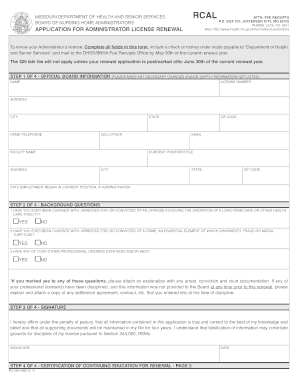
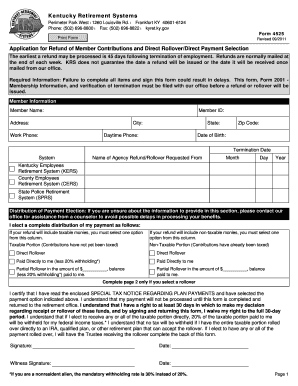
A Motor Vehicle Ownership Transfer Application is a legal document used to officially change the ownership of a motor vehicle from the seller to the buyer. This application ensures that the new owner's details are recorded with the relevant state authority, typically the Department of Motor Vehicles (DMV) or equivalent. The application is crucial as it serves as proof of the transaction and facilitates the update of registration and insurance documents.
Important Aspects
- Legal Proof of Transfer: The application provides a documented trail that the vehicle ownership has been transferred legally and officially.
- Vehicle Registration Update: Once the transfer is approved, it updates the vehicle's registration records, ensuring the new owner receives accurate documentation.
How to Use the Motor Vehicle Ownership Transfer Application
Using the Motor Vehicle Ownership Transfer Application involves several structured steps that ensure a seamless transition of ownership. Understanding these steps can prevent delays and ensure compliance with state laws.
- Complete the Application: Both the buyer and seller need to fill out the relevant sections of the application form. Each party's details should be accurate and consistent.
- Gather Necessary Documents: Essential documents include the vehicle's title, a bill of sale, and proof of insurance. Additional documents might be required based on the state.
- Submit the Application: Depending on the state, the submission can be made online, via mail, or in person at a local DMV office.
Example Steps
- Ensure all information, such as vehicle identification number (VIN) and odometer reading, is correctly reported to avoid processing delays.
- If the vehicle has a lien, additional steps for lien release may be required.
How to Obtain the Motor Vehicle Ownership Transfer Application
Obtaining the Motor Vehicle Ownership Transfer Application is a straightforward process accessible through various channels.
Sources for Obtaining the Form
- Online: Most state DMV websites provide downloadable copies of the form.
- In-Person: Forms can be picked up at local DMV offices.
- Mail Request: Some states offer the option to request a form via mail.
Required Information for Request
Provide details such as the vehicle's make, model, and year to receive the correct version of the form for your specific vehicle type.
Steps to Complete the Motor Vehicle Ownership Transfer Application
Completing the application requires careful attention to detail to ensure all sections are filled out correctly. Here’s a comprehensive step-by-step guide:
- Identify Parties Involved: Clearly list the names and addresses of both the seller and the buyer.
- Vehicle Information Section: Fill in specifics about the vehicle, including its make, model, and year.
- Signature and Consent: Both parties must sign the document, and, if applicable, the financier's consent.
- Payment of Fees: Include payment for transfer fees, which vary by state.
Practical Example
A seller in California must ensure the Release of Liability form is completed to avoid future liability from incidents that occur after the transaction.
Key Elements of the Motor Vehicle Ownership Transfer Application
The application is composed of several critical elements that are fundamental for legally processing the vehicle's transfer.
Essential Components
- Seller Information: Includes full name, address, and contact details.
- Buyer Information: Must detail the same information as the seller section.
- Vehicle Details: Critical specifics like VIN, registration number, make, and model.
- Signatures and Dates: Warrant the authenticity and agreement on the terms of the sale.
Explanation of Each Element
Each component of the form serves a specific purpose in verifying the transaction's legality and ensuring records are accurately updated.
Required Documents for Motor Vehicle Ownership Transfer Application
Several documents are essential when submitting a Motor Vehicle Ownership Transfer Application to avoid rejection or delays.
Required Documentation
- Title of Vehicle: Must be transferred and signed correctly to reflect new ownership.
- Bill of Sale: Acts as a receipt for the transaction, documenting the sale conditions.
- Lien Release Document: If there is an existing loan, a lien release is required to clear the title.
- Proof of Insurance: Demonstrates that the new owner has legal coverage for the vehicle.
Examples of Document Use
In Texas, the absence of a Bill of Sale could lead to complications if the transfer is disputed or if there's an issue with insurance coverage.
State-Specific Rules for the Motor Vehicle Ownership Transfer Application
Different states have unique requirements for transferring vehicle ownership. Familiarity with these can prevent infractions and ensure compliance.
Examples of State-Specific Requirements
- California: Requires a smog certification during the ownership transfer unless exempt.
- Florida: Mandates the completion of a Notice of Sale form to formalize the change of ownership.
Differences and Nuances
State-specific laws can affect timelines and additional requirements, such as emissions testing or notarization of signatures.
Penalties for Non-Compliance with Motor Vehicle Ownership Transfer Application
Failure to properly complete and submit the Motor Vehicle Ownership Transfer Application can lead to significant penalties.
Types of Penalties
- Fines: Missing deadlines or incorrect submissions can result in financial penalties.
- Legal Consequences: Delay in transferring ownership could leave the seller liable for incidents involving the vehicle post-sale.
- Registration Issues: Incomplete transfers can complicate the new owner's registration status, potentially leading to vehicle impoundment.
Real-World Implications
A delay in transfer in New York could mean the seller is still liable for parking tickets or legal infractions, emphasizing the importance of prompt and accurate compliance.