






Definition and Meaning of Online Forms
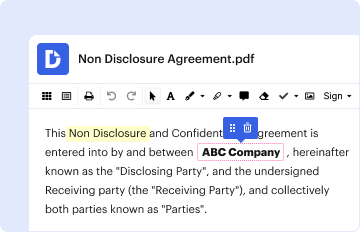
Online forms are digital versions of traditional paper forms, facilitating data collection and submission through the internet. They often replace physical forms, allowing users to complete necessary documentation efficiently using digital devices. Online forms are prevalent in various contexts, such as applications, surveys, and registrations, serving multiple industries and purposes.
Characteristics of Online Forms
- Interactive Fields: Features like text boxes, checkboxes, and dropdown menus allow for interactive input.
- Dynamic Feedback: Provides immediate error checking and validation for user input.
- Automated Processing: Enables automated data collection and processing, minimizing manual entry errors.
How to Use the Form Online
To use an online form effectively, it's essential to understand the form's structure and the information required. Generally, these forms guide users through sections that need completion in a logical sequence, enhancing accuracy and reducing data entry time.
Step-by-Step Instructions
- Access the Form: Navigate to the relevant website or platform offering the form.
- Read Instructions: Carefully review any instructions or notes provided at the beginning of the form.
- Fill Out Required Fields: Complete mandatory fields, which are often marked with an asterisk.
- Review and Submit: Double-check information for accuracy before submitting. Some platforms allow saving progress before final submission.
Steps to Complete the Form Online
Completing an online form involves several steps, ensuring all necessary details are correctly provided. The process may vary depending on the form type, but generally follows a structured path.
Detailed Process
- Preparation: Gather relevant documents and information needed to complete the form.
- Section Navigation: Use the form's navigation to move between sections.
- Data Entry: Enter data into each field, using guides or examples provided.
- Validation and Correction: Utilize built-in checks to ensure each entry meets specified criteria.
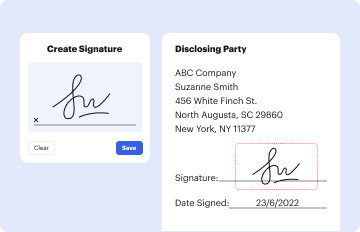
- Completion and Sign-off: Submit the form upon verifying all entries, optionally adding an electronic signature if required.
Why You Should Form Online
Using online forms offers numerous advantages over traditional paper forms, primarily through enhanced speed and convenience.
Benefits Include
- Accessibility: Available anytime and anywhere with internet access, making them ideal for remote and mobile users.
- Efficiency: Reduces time spent on mailing and manual data entry.
- Environmentally Friendly: Saves paper and reduces physical storage needs.
- Integration: Easily integrates with other digital systems, facilitating seamless data exchange.
Key Elements of the Form Online
Understanding the key components of online forms is crucial for efficient use. These elements are designed to maximize usability and reliability.
Essential Components
- Input Fields: Areas for entering data, such as names, dates, and numeric values.
- Instructions and Help Text: Guidance provided to assist users in entering accurate information.
- Submit Button: Triggers form submission to the appropriate recipient or database.
- Security Features: Encryption and data protection measures ensure user data remains secure.
Legal Use of the Form Online
Online forms must comply with relevant legal standards and practices, ensuring that digital submissions are legitimate and enforceable.
Compliance Considerations
- Electronic Signature Laws: Adheres to acts such as the ESIGN Act in the U.S, validating the use of e-signatures.
- Data Protection Regulations: Ensures compliance with privacy laws by securing user information against unauthorized access.
- Terms and Conditions: Clearly outlines user responsibilities and platform limitations.
Who Typically Uses the Form Online
Many individuals and organizations opt for online forms due to their convenience and efficiency, spanning various demographic groups and industries.


Common Users
- Businesses: Use for HR applications, client onboarding, and service requests.
- Educational Institutions: Employ for course registrations, surveys, and feedback collection.
- Government Agencies: Utilize for permit applications, registrations, and compliance forms.

Examples of Using the Form Online
Practical scenarios illustrate the versatility of online forms across different sectors, highlighting their efficacy.
Real-World Scenarios
- Healthcare: Patient intake forms, insurance authorizations, and appointment scheduling.
- Finance: Loan applications, tax filings, and financial assessments.
- Retail: Customer feedback surveys, order placements, and return requests.
Required Documents for Online Forms
Completing certain online forms requires specific documents, enhancing the form's efficacy and validating the information provided.
Common Document Requirements
- Personal Identification: Driver's license, passport, or ID card for identity verification.
- Proof of Address: Utility bills or bank statements to confirm residence.
- Financial Records: Pay stubs, bank statements, or tax forms for financial assessments.
Form Submission Methods
Online forms offer versatile submission methods, catering to different preferences and technological capabilities.
Options Include
- Direct Online Submission: Completing and submitting the form directly through the browser.
- Email Submission: Completing the form offline and emailing it as an attachment.
- Print and Mail: For users preferring a physical format, printing and mailing remain options.
Providing comprehensive information on each aspect of online forms ensures users are well-informed and confident in utilizing these digital tools effectively.