





Definition & Meaning
The "Carta de autorización para trámites" is a formal document granting permission for a third party to carry out specific tasks or processes on behalf of the principal. It is commonly used in situations where the original party, often referred to as the grantor, is unable to execute certain obligations due to various reasons such as distance, health, or scheduling conflicts. This letter serves as a legal instrument that can be utilized in multiple contexts, ranging from personal matters to business and legal transactions.
A typical Carta de autorización para trámites might include details such as the identity of the parties involved, the specific tasks authorized, the duration of the authorization, and any limitations or conditions associated with the authorization. Examples of usage include granting permission for a family member to manage a banking transaction or authorizing a colleague to submit documents on behalf of a business entity.
Key Elements of the Carta de autorización para trámites
-
Identifying Information: The full names and contact information of the authorizing person and the agent being authorized should be clearly stated. This ensures transparency and accountability between both parties.
-
Scope of Authorization: Clearly define the tasks or processes the authorized individual is permitted to undertake. This can include both general and specific duties, ensuring all parties are aware of the extent of the authority granted.
-
Duration: Specify the time frame during which the authorization is valid. This could be a specific date range or an event-driven timeline, such as "until the completion of a specific transaction."
-
Conditions and Limitations: Outline any limitations on the authority granted or conditions that must be satisfied. This could include restrictions on monetary values or conditions that void the authorization.
-
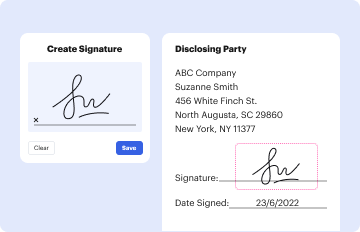
Signature and Date: The document should be signed and dated by the individual granting the authorization to confirm its legitimacy. In some cases, it might also need to be notarized.
How to Obtain the Carta de autorización para trámites
-
Determine the Purpose: Clearly identify the purpose of the authorization to ensure all necessary information is included in the document.
-
Draft the Document: Using a formal format, draft the letter ensuring all required elements such as names, tasks, and limitations are detailed. Templates could guide this process, but ensure customization to meet specific needs.
-
Review Legal Requirements: Depending on the nature of the endorsement, it might be necessary to consult legal guidelines or a professional to ensure compliance with applicable laws or industry standards.
-
Sign and Notarize: Once drafted, the document needs to be duly signed. If required, schedule the document to be notarized to elevate its legal standing, especially in business or legal transactions.
-
Distribute Copies: Send copies to the agent and ensure a copy is retained for personal records. Additional parties involved, such as institutions or businesses, may also require a copy.
Steps to Complete the Carta de autorización para trámites
-
Title and Introduction: Start with a clear title and introductory paragraph that explains the document's intent and the authorizing party's identity.
-
Details of the Parties: Include full names, contact information, and identification numbers (if applicable) for all parties involved, ensuring clarity on whose behalf the actions are being taken.
-
Specific Tasks: List the precise tasks that the authorized individual will handle. It is essential to include specific details to avoid ambiguity.
-
Conditions and Duration: Clearly state any limitations and the period during which the authorization is effective. Mention under what conditions the authorization ceases to be valid.
-
Signing Section: Provide a space for both the authorizer's and the witness's signatures (if necessary). The date of signing should accompany these signatures.
-
Finalize and Distribute: Ensure the document is reviewed for errors or omissions. Once finalized, distribute copies as appropriate to all relevant parties.
Legal Use of the Carta de autorización para trámites
The Carta de autorización para trámites is recognized as a legally binding document when prepared, executed, and utilized correctly. It empowers the authorized individual to act, negotiate, or fulfill obligations that fall within the stated scope. It is pivotal in ensuring legal backing for transactions carried out on someone's behalf.
-
Personal Transactions: Authorizing someone to pick up official documents or make payments.
-
Business Affairs: Enabling a representative to negotiate or sign specific documents.
-
Healthcare Decisions: Allowing a family member to liaise with medical personnel or access medical records.
This document’s legal standing can vary from state to state, and it might require additional elements like notarization to be fully enforceable. Always consult with a legal professional if uncertain about the document's sufficiency for its intended purpose.
Examples of Using the Carta de autorización para trámites
-
Travel Permissions: Parents authorizing a relative to travel with their minor child, specifying travel dates and locations.
-
Academic Enrollment: A student authorizing a third party to enroll in courses on their behalf due to being overseas.
-
Property Management: A property owner authorizing a manager to sign lease agreements and collect rent on their behalf.
Each example involves clear communication of the extent and duration of the granted powers, ensuring that all involved parties understand the limits of what the delegate can do.
Important Terms Related to Carta de autorización para trámites
-
Principal: The individual who grants the authority to another person.
-
Agent: The individual who receives the authority to act on behalf of the principal.
-
Notarization: The formal process of certifying a document as authentic, often required for legal transactions to reduce the risk of disputes.
-
Scope: Refers to the defined perimeter of activities or decisions that the agent is authorized to undertake.
Understanding these terms ensures clarity in execution and comprehension of the authorization letter’s intent, roles, and limitations.
Who Typically Uses the Carta de autorización para trámites
-
Individuals: Often used for personal matters like authorizing someone to manage personal affairs.
-
Businesses: Utilized by businesses that need representatives to act on their behalf for specific transactions.
-
Legal Entities: Common in situations where legal entities need a third party to execute legal documents or proceedings in their absence.
-
Educational Institutions: Used for authorizing guardians or representatives to interact with schools on behalf of students.
The document provides a structured approach to delegating responsibilities, ensuring continuity of tasks regardless of the principal's availability.