





Definition & Meaning
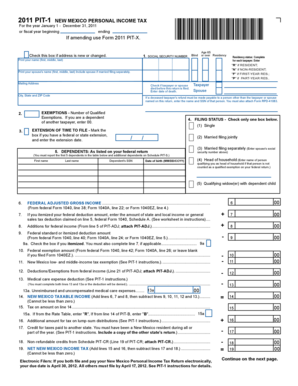
The Colombia Business and Social Registry Form, formally known as "Formulario del Registro Único Empresarial y Social (RUES)," functions as a critical document in Colombia for the registration and regulation of businesses and social entities. Its primary purpose is to serve as a unified registry that collects vital information about businesses, enabling government agencies to monitor and facilitate economic activities. The form ensures compliance with local laws and provides transparency in business operations, fostering trust among stakeholders.
How to Use the Colombia Business and Social Registry Form
To effectively use the Colombia Business and Social Registry Form, businesses should adhere to the specified guidelines outlined by the Colombian Chamber of Commerce. The process typically involves:
- Collecting Required Information: Gather details such as business name, legal representative, address, and nature of business.
- Completing the Form: Carefully fill out each section using a typewriter or block letters as specified. Ensure accuracy to avoid delays.
- Review and Submit: Double-check for any errors and submit through the designated channel—online, by mail, or in-person at the Chamber of Commerce.
The form guides businesses through compliance and helps streamline interactions with regulatory bodies, ensuring accurate representation of business activities.
Steps to Complete the Colombia Business and Social Registry Form
Completing the form involves several detailed steps:
-
Pre-Filing Preparations:
- Ensure all required documents such as identification and proof of address are ready.
- Gain clarity on any legal terminologies that pertain to your business status.
-
Filling the Form:
- Enter basic information in designated fields following instructions for each section.
- Attach necessary supporting documents as indicated.
- Use a machine or clear, block letters for legibility.
-
Final Checks:
- Verify data to maintain consistency with official records.
- Double-check procedural requirements like signature and date fields.
-
Form Submission:
- Submit through applicable methods—online submission, mailed forms, or presenting directly to the Chamber office.
This step-by-step instruction allows clear understanding of the form-filling process, minimizing the risk of error or rejection.
Who Typically Uses the Colombia Business and Social Registry Form
Various entities utilize this form:
- Corporations and Small Businesses: For official registration and updates.
- Non-Profit Organizations: To remain compliant with nonprofit regulations.
- Entrepreneurs and Startups: For initial business setup and licensing.
- Legal and Financial Consultants: To facilitate client registrations efficiently.
Understanding the end-users helps tailor the registration process to meet operational demands and regulatory compliance.

Key Elements of the Colombia Business and Social Registry Form
Important components of the form include:
- Entity Information: Details the official name, address, and contact information.
- Legal Structure: Specification of business structure, whether sole proprietorship, partnership, or corporation.
- Activity Description: Elaborates on the primary business operations and sectors involved.
- Legal Representation: Provides information about the legal representative of the entity.
Identifying these key elements ensures comprehensive completion and avoids omissions that might cause legal complications.
Legal Use of the Colombia Business and Social Registry Form
Legal compliance is a crucial aspect:
- Regulatory Compliance: Ensures all necessary business information is periodically updated, maintaining lawful operations.
- Transparency: Facilitates governmental oversight and helps in public disclosure, building trust in economic transactions.
- Document Authenticity: Legally binds the entity to the information provided, reinforcing accountability.
Recognizing the legal implications aids businesses in maintaining integrity and adhering to regional laws effectively.
Required Documents for Form Submission
A comprehensive list of documents is essential for submission:
- Identification Documents: National ID, passport, or legal identification for persons involved.
- Proof of Address: Utility bill or lease agreement confirming the business location.
- Business Documentation: Articles of incorporation or similar foundational records.
- Fiscal Registration: Tax identification or financial records relevant to the business operations.
Collating these documents aligns with form requirements, ensuring a smooth submission process.
Form Submission Methods (Online / Mail / In-Person)
Businesses have several avenues for submission:
- Online: E-file through the official Chamber of Commerce platform.
- Mail: Send through registered postal services ensuring receipt confirmation.
- In-Person: Submit directly at the Chamber’s designated office locations.
Each method offers unique advantages, allowing flexibility for businesses based on their logistical preferences and constraints.
Penalties for Non-Compliance
Failure to comply with registration norms results in various penalties:
- Monetary Fines: Substantial fines for inaccurate or incomplete submissions.
- Legal Sanctions: Potential legal action against the entity or its representatives.
- Operational Restrictions: Temporary suspension of business activities until compliance is resumed.
Understanding these penalties emphasizes the importance of maintaining current and precise registration, safeguarding business interests.
Digital vs. Paper Version
The choice between digital and paper forms can impact operations:
- Digital Version: Quick processing and reduced travel needs. Enhances efficiency with electronic records.
- Paper Version: Preferred by those with limited internet access or digital literacy. Provides a physical record for traditional filing.
Weighing the benefits of each version helps determine the best approach for submission based on specific business needs and capabilities.