




Definition and Meaning of the Legal Power of Attorney Agreement
A Legal Power of Attorney Agreement is a legally binding document authorizing one individual, known as the agent or attorney-in-fact, to act on behalf of another, known as the principal. This empowers the agent to manage the principal's financial, legal, or personal matters as specified within the agreement. The scope of authority can vary widely, from handling simple financial transactions to making comprehensive legal or medical decisions.
Practical Examples
- An elderly parent might grant a Legal Power of Attorney to an adult child to manage their financial affairs.
- In cases where an individual is traveling abroad, they might establish this agreement to allow someone to manage property or financial matters in their absence.
Practical Guide for Using the Legal Power of Attorney Agreement
To effectively use a Legal Power of Attorney Agreement, the principal must clearly specify the powers granted to the agent. This can include:
- Managing financial accounts
- Sign legal documents
- Making healthcare decisions
The document should be drafted with precision to avoid ambiguities that could lead to disputes.
Real-World Scenarios
- A business owner might grant this authority to an attorney to manage transactions during their temporary incapacitation.
- It can also be applied in estate planning to ensure one's affairs are handled according to their wishes if they become incapacitated.
Obtaining a Legal Power of Attorney Agreement
To obtain a Legal Power of Attorney Agreement, follow these steps:
- Consult with legal counsel to understand the implications and requirements.
- Draft the document, detailing the scope of authority granted to the agent.
- Sign the agreement in the presence of a notary public, ensuring its legal validity.
Different states may have additional stipulations or forms that need to be fulfilled, so it's crucial to adhere to local laws.
Steps to Complete the Legal Power of Attorney Agreement
Completing a Legal Power of Attorney Agreement involves several detailed steps:
- Determine the Type: Decide what type of power of attorney you need (e.g., general, limited, durable).
- Select the Agent: Choose someone trustworthy to act as your agent.
- Specify Powers: Clearly outline what powers the agent will have.
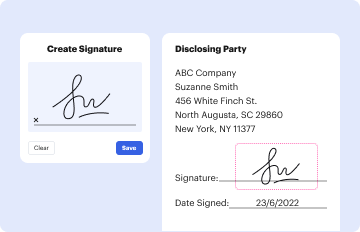
- Sign the Document: Both the principal and agent should sign the document, preferably in front of a notary.
Importance of the Legal Power of Attorney Agreement
A Legal Power of Attorney Agreement is essential for several reasons:
- Control: Ensures your affairs are managed according to your wishes if you're unable to do so.
- Convenience: Allows for the management of your matters without your presence.
- Peace of Mind: Assures that a trusted individual will handle your affairs.
Typical Users of the Legal Power of Attorney Agreement
The Legal Power of Attorney Agreement is widely used by:
- Individuals planning for potential incapacitation.
- Business owners who need someone to manage affairs during their absence.
- Elderly individuals ensuring continuity in management of their affairs.
Key Elements of the Legal Power of Attorney Agreement
A complete Legal Power of Attorney Agreement should include:
- Principal and Agent Information: Full details of both parties.
- Scope of Authority: Detailed description of the agent's powers.
- Effective Date: When the power of attorney comes into effect.
- Duration: How long the authority remains valid, if applicable.
State-Specific Rules for Legal Power of Attorney Agreements
Each state in the U.S. might have specific regulations governing the use and establishment of a Legal Power of Attorney Agreement. For instance:
- Some states require the form to be registered with a public authority.
- Others may dictate specific language or clauses that must be included.
Case Study
- In California, a durable power of attorney must include specific wording to remain in effect if the principal becomes incapacitated.
Examples of Using the Legal Power of Attorney Agreement
Through examples, we can better understand how this agreement functions in daily life:
- A military personnel might grant their spouse or parent power of attorney to handle affairs while they are deployed.
- An incapacitated individual entrusting a family member with their medical and financial tasks to ensure their well-being and financial stability.