




Definition & Meaning
A Promissory Note Template is a legal document that outlines a borrower's promise to pay back a lender. This structured agreement specifies the terms and conditions of the debt arrangement, helping both parties manage their financial obligations clearly and formally. The primary elements of a promissory note include the principal amount, interest rate, payment schedule, and maturity date. By formalizing these details, the document serves as crucial evidence of the financial commitment between involved parties, offering protection and validation in any legal context.
Types of Promissory Notes
- Secured Promissory Notes: Backed by collateral, offering lenders added security.
- Unsecured Promissory Notes: Based solely on the borrower's creditworthiness with no collateral.
- Installment Promissory Notes: Define regular payments over a term until the debt is cleared.
- Demand Promissory Notes: Require the borrower to remit the payment upon the lender's request.
Key Elements of the Promissory Note Template
Comprehensively understanding the components of a Promissory Note Template ensures optimal usage and compliance with legal standards. The structural integrity of this document relies on specific fundamental components that detail the transaction.
Essential Components
- Principal Amount: The initial sum of money borrowed.
- Interest Rate: Defines how much interest will accrue over the loan term, either as fixed or variable.
- Maturity Date: When the final payment is due, and the debt must be fully settled.
- Payment Schedule: Details how and when payments should be made (e.g., monthly, quarterly).
- Default Terms: Outline the consequences of failing to repay the loan as agreed.
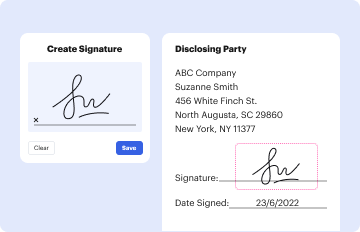
- Signatures: Both borrower and lender must sign the document to verify its legitimacy.
Steps to Complete the Promissory Note Template
Filling out a promissory note effectively involves understanding each section's purpose and requirements. Follow these structured steps to ensure accurate completion and authentication.
- Gather Required Information: Collect details about the borrower, lender, principal amount, and loan terms.
- Insert Loan Details: Cleanly fill in the loan amount, interest rate, and repayment dates in the designated fields.
- Specify Payment Terms: Clearly outline the schedule and amounts for each installment.
- Detail Collateral (if any): For secured notes, specify the collateral being used.
- Review and Agree on Default Terms: Both parties must understand the implications of a potential default.
- Sign: Both parties and a witness (if necessary) should sign, finalizing the agreement.
Common Mistakes to Avoid
- Omission of Details: Ensure all fields are thoroughly completed to avoid legal disputes.
- Lack of Clarity: Ambiguity in terms can lead to misunderstanding; ensure language is clear and precise.
- Failure to Sign: An unsigned note holds no legal weight, so ensure signatures are obtained.
Legal Use of the Promissory Note Template
The Promissory Note Template serves multiple legal purposes, acting as a binding financial agreement enforceable by law. Its validity is often supported by adherence to established legal standards across various jurisdictions.
Jurisdictional Variations
- State Laws: Different states have nuanced expectations and requirements, such as particular disclosures or interest rate caps.
- Federal Guidance: Notes must comply with federal laws, particularly when crossing state lines or involving federal institutions.
- Legal Consultation: Consulting a legal expert is encouraged to verify compliance with state-specific laws and ensure enforceability.
Who Typically Uses the Promissory Note Template
The Promissory Note Template is versatile, providing utility across different sectors and scenarios. Various individuals and organizations use it to formalize financial arrangements.

Common Users
- Private Lenders and Borrowers: Individuals using personal loans to finalize agreements independently.
- Business Deals: Companies seeking credit lines or facilitating internal finance agreements.
- Real Estate Transactions: Facilitating agreements for short-term loans or owner financing.

State-Specific Rules for the Promissory Note Template
Each U.S. state may impose distinct regulations on promissory notes, affecting their structure and enforceability.
Variation Examples
- Interest Rates: Some states impose maximum interest rates or usury laws.
- Borrower Protections: Vary state-to-state; some offer extended grace periods or negotiation terms.
- Notarization Requirements: While not universally required, certain states may necessitate notarization to validate the note.
Examples of Using the Promissory Note Template
Real-world scenarios can highlight the practical applications of promissory notes and their relevance to everyday transactions.
Practical Scenarios
- Small Business Funding: An entrepreneur secures funds from a personal investor through a standardized note.
- Private Real Estate Agreements: A homeowner sells property with a vendor mortgage, ensuring payment via a promissory note.
- Educational Loans: Parents offering a student loan setup, generating a formal note to record financial obligations.
Versions or Alternatives to the Promissory Note Template
While the standard Promissory Note Template is widely applicable, there are alternative forms and variations that might better suit specific needs or contexts. These alternatives cater to different legal requirements or user preferences.
Alternatives and Variants
- Convertible Promissory Notes: Convertible into equity shares at a later date, fitting for start-up investments.
- Line of Credit Promissory Notes: Provide flexibility by allowing withdrawals up to a predetermined credit limit.
- Simple Promissory Notes: For informal agreements, with fewer legal stipulations required.
With this structured approach, users of the Promissory Note Template are empowered to draft precise, enforceable agreements customizable to their unique loan terms and legal contexts.