Definition and Meaning
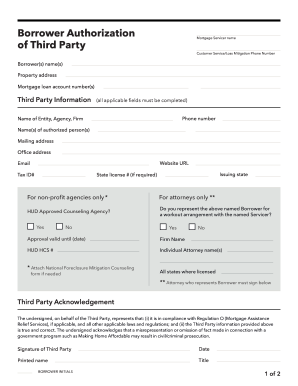
The "Business Account Application Form" serves as a fundamental tool for businesses looking to establish a financial relationship with a banking institution. This form is essential for both new businesses initiating their first account and existing businesses expanding their financial operations. It typically includes spaces to fill in detailed business information, such as the legal business name, type of business entity, contact information, and federal tax ID numbers. This form is designed to gather all pertinent data required to verify the business's legitimacy, assess its financial needs, and set up the appropriate account services.
Examples of Common Information Required
- Legal business name and description
- Business address and contact information
- Type and structure of the business entity (e.g., LLC, corporation, partnership)
- Federal Employer Identification Number (EIN)
- Names of authorized signatories and their roles within the business
How to Use the Business Account Application Form
Using the Business Account Application Form is a straightforward process designed to facilitate the opening of a new account. Individuals responsible for financial administration within a business should follow these steps to ensure the accurate completion of the form:
-
Gather Business Information: Collect all necessary documentation, such as articles of incorporation, partnership agreements, or LLC operating agreements, to ensure accurate input.
-
Complete the Form: Fill in each section with precise business details, ensuring that all required fields are completed to prevent delays.
-
Verify Information: Double-check all entries for accuracy and completeness, paying particular attention to legal signatures and authorized signatory designations.
-
Submit the Form: Depending on the bank’s policy, the form can be submitted online, mailed, or submitted in-person at a bank branch.
-
Follow Up: After submission, maintain contact with a bank representative to check the application's status and address any additional requirements.
Steps to Complete the Business Account Application Form
Completing the Business Account Application Form requires meticulous attention to detail. Here is a comprehensive breakdown of the process:
-
Personal Information Section: Input the names and contact information for all individuals with signing authority.
-
Business Identification: Enter the full legal name of the business and any trade names if applicable.
-
Business Structure Details: Clearly specify the type of entity, such as sole proprietorship, partnership, LLC, or corporation.
-
Tax Identification Information: Provide the business’s Federal Employer Identification Number (EIN) and other tax-related identifiers.
-
Account Preferences: Indicate the types of accounts being requested, such as checking, savings, or merchant services.
-
Electronic Banking Options: Elect electronic services required for the account, like online banking, electronic funds transfers, and remote deposits.
-
Authorized Users Declaration: List names, titles, and contact details of individuals authorized to operate the account, along with signature samples if required.
Key Elements of the Business Account Application Form
Optimizing the usefulness of the Business Account Application Form requires an understanding of its core components. Key elements typically found in this form are:
-
Business Details: Captures information required to establish the identity and legitimacy of the business.
-
Signatory Authorization: Specifies individuals granted permission to access and manage the account.
-
Financial Services Selection: Describes specific services that the business accounts will utilize.
-
Compliance Acknowledgement: Section where the business agrees to banking terms, conditions, and relevant regulations.
Required Documents
When submitting the Business Account Application Form, several documents are typically required to validate the data provided. These documents include:
-
Articles of Incorporation or Organization: Proof of established business entity.
-
Operating Agreements: For LLCs, outlining management structure and responsibilities.
-
Tax Identification Copies: Documents that verify your EIN.
-
Personal Identification: State-issued IDs for authorized users.
-
Business License: If applicable, to verify legitimate operations within specific municipalities.
Application Process and Approval Time
The approval process for a business account can vary based on the completeness of the application and documentation provided. Here’s a typical timeline overview:
-
Initial Review: Conducted immediately upon submission to verify that all form fields and documents are complete and accurate.
-
Verification Phase: Involves a detailed assessment of provided information to ensure compliance with bank policies and regulatory requirements.
-
Decision and Setup: Once reviewed, the bank contacts the business with either an approval, rejection, or request for additional information.
-
Time Frame: The entire process generally takes one to two weeks but can vary based on the bank's specific requirements and procedures.
Eligibility Criteria
To be deemed eligible for a Business Account Application, the business must typically fulfill several criteria, including:
-
Legal Registration: Demonstrate legal registration of business within the appropriate jurisdiction.
-
Minimum Deposit Requirements: Some banks might require an initial deposit upon approval.
-
Compliance with State and Federal Laws: Ensure no legal impediments exist, such as violations or sanctions.
-
U.S. Residency: Business operations must align with the legal and regulatory landscape in the U.S.
-
Operational Stability: Banks might assess business stability based on financial history or credit score.


State-Specific Rules
While business account applications are generally consistent across the U.S., some states may impose unique requirements. Here are a few examples:
-
State Tax Registration: States like California may require proof of state tax registration.
-
Operating Licenses: Certain industries may need state-specific operating licenses.
-
Local Compliance: Adherence to any local bylaws or municipal regulations impacting business operations.