Definition & Meaning
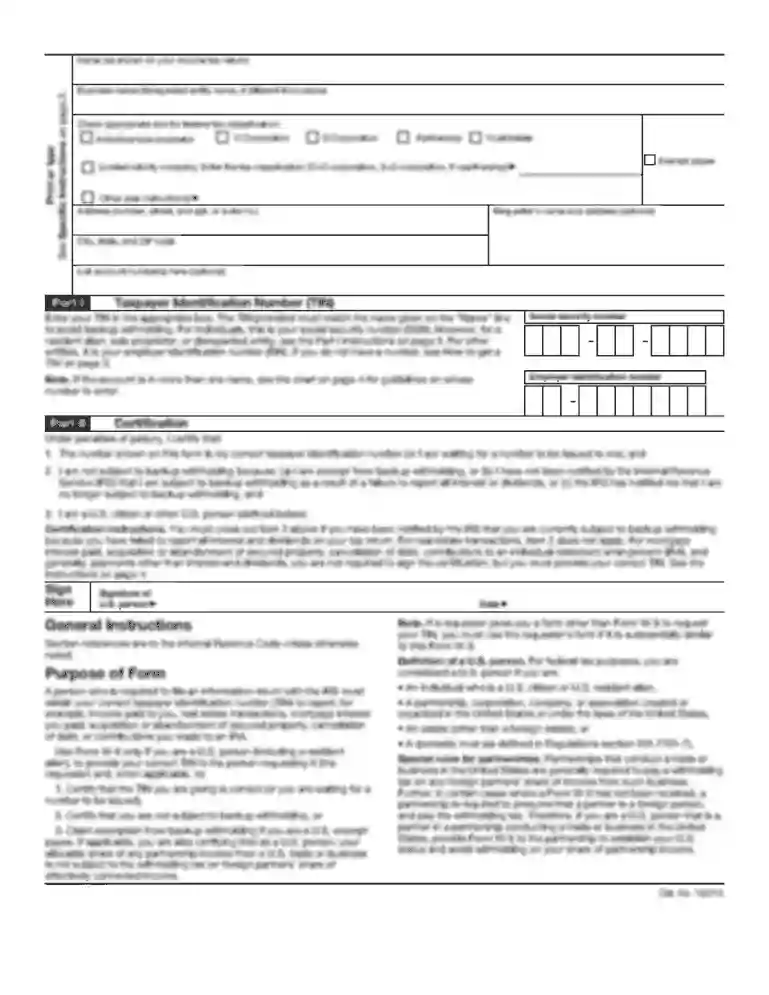
The Vendor Profile Form is a structured document used by organizations to collect detailed supplier information for their procurement and vendor management processes. This form typically gathers essential details such as the vendor's name, address, contact information, tax identification number, and banking details. It plays a crucial role in establishing and maintaining a comprehensive supplier database, ensuring efficient communication and transactions between businesses and their vendors. The Vendor Profile Form simplifies supplier onboarding and aids in compliance with regulatory requirements.
Real-World Applications
- Supplier Onboarding: Many organizations, including retail chains and healthcare providers, use this form as part of their onboarding process to vet new suppliers and establish contractual relationships.
- Database Management: In industries like manufacturing, where numerous vendors are involved, the form helps maintain an up-to-date vendor database, facilitating easy access to vendor details when needed.
How to Use the Vendor Profile Form
To effectively use the Vendor Profile Form, begin by accessing the form from the organization seeking vendor information. Once obtained, carefully fill out each section with accurate and current details. Pay attention to mandatory fields marked with an asterisk or noted as required. Review the completed form for accuracy before submission, as errors can delay the approval process or lead to miscommunications.
Practical Steps:
- Access the Form: Obtain the form from the organization's procurement or vendor management department.
- Complete the Fields: Provide all requested information, ensuring accuracy in tax identification numbers and banking details.
- Review for Precision: Check for completeness and correct any errors.
- Submit the Form: Follow the organization's preferred submission method, which may be online or via physical mail.
Steps to Complete the Vendor Profile Form
Completing the Vendor Profile Form involves several stages, from gathering necessary documents to final submission. These steps help ensure a smooth and error-free process.
- Gather Required Information: Collect all necessary documents, such as business licenses, tax IDs, and banking information.
- Fill Out the Form: Carefully enter all information, paying close attention to required fields.
- Attach Supporting Documents: If the form requires additional documentation, attach these files before submission.
- Consent and Sign: Provide any required consents, and sign the form to validate its authenticity.
- Submit Through Proper Channels: Follow the specified submission process, which may be via email, an online portal, or traditional mail.
Practical Tip:
- Use Digital Tools: For online submissions, consider using digital editing platforms like DocHub, which facilitate easy form completion and signing electronically.
Key Elements of the Vendor Profile Form
A comprehensive Vendor Profile Form typically includes several critical sections, each serving a specific purpose to streamline vendor relations.
Core Components:
- Vendor Identification: Basic details such as the vendor's legal name, business number, and tax ID.
- Contact Information: Key contacts, including emails and phone numbers, for efficient communication.
- Banking Details: Bank account information for processing payments and invoices.
- Certifications and Licenses: Proof of business legitimacy and compliance with industry standards.
- Terms of Business: Standard contractual terms including delivery methods, payment cycles, and return policies.
Why Use a Vendor Profile Form
The Vendor Profile Form is essential for organizations to efficiently manage relationships with suppliers, ensuring reliability and compliance. By using the form, businesses can achieve streamlined communication, improve transaction accuracy, and enhance vendor evaluation processes. The form serves to protect businesses against disputes and regulatory noncompliance.
Benefits:
- Risk Mitigation: Collects necessary compliance assurances to minimize legal and financial risks.
- Enhanced Vendor Management: Facilitates better decision-making and supplier selection.
- Operational Efficiency: Reduces time spent on administrative tasks related to vendor monitoring.
Important Terms Related to Vendor Profile Form
Understanding key terminology associated with the Vendor Profile Form ensures accurate completion and proper alignment with organizational protocols.
Key Terms:
- TIN (Tax Identification Number): Unique identifier for businesses required for tax purposes.
- Onboarding: The process of integrating a new vendor into a company’s procurement system.
- Compliance: Adherence to legal guidelines, including financial and ethical standards.
Legal Use of the Vendor Profile Form
In the United States, the Vendor Profile Form is used to comply with various legal and regulatory obligations, ensuring transactions adhere to financial reporting standards and industry regulations. Completing the form accurately protects businesses from legal disputes and ensures that vendor relationships are grounded in mutual understanding and contractual certainty.
Regulatory Compliance:
- Federal Tax Requirements: Ensures collection and reporting of vendor tax information as required by the IRS.
- Industry-Specific Regulations: Certain sectors, like healthcare, have additional compliance needs regarding vendor details and certifications.
Who Typically Uses the Vendor Profile Form
Various organizations across multiple sectors rely on the Vendor Profile Form to manage their vendor relationships. Companies of all sizes use the form, but it is particularly prevalent among larger corporations and institutions with extensive supplier networks.

Common Users:
- Corporations: Large companies with complex supply chain requirements.
- Government Agencies: For procuring services and ensuring vendors meet public sector standards.
- Educational Institutions: Universities and schools that engage with various service providers.
Examples:
- A multinational corporation using the form for global supplier assessments.
- A hospital network leveraging the form to ensure compliance with healthcare procurement standards.