



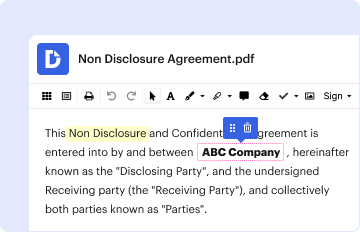
01. Edit your employment verification report online
Type text, add images, blackout confidential details, add comments, highlights and more.

Type text, add images, blackout confidential details, add comments, highlights and more.
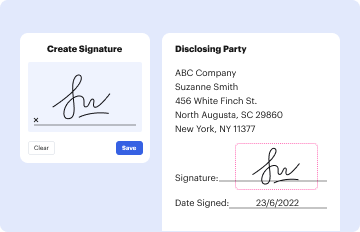
Draw your signature, type it, upload its image, or use your mobile device as a signature pad.
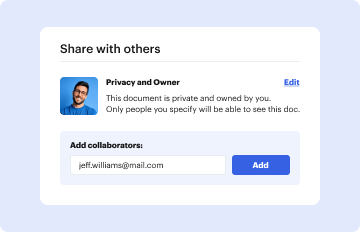
Send it via email, link, or fax. You can also download it, export it or print it out.
The Self-Employment Verification Report is a formal document used to validate and authenticate an individual's self-employment status. This report is indispensable for freelancers, contractors, and small business owners who need to confirm their income and employment to various agencies or institutions. The document is often required during loan applications, tax assessments, and when validating income for government assistance programs. Its primary purpose is to provide a clear financial picture of a person's business activities, ensuring transparency and accuracy in financial and identification matters.
To effectively use the Self-Employment Verification Report, begin by comprehensively understanding the requirements outlined by the institution requesting the document. Generally, this involves enumerating income sources, listing business expenses, and declaring net profits. It’s pivotal to use accurate financial statements, such as tax returns or profit and loss statements, to support the data entered in the report. Once filled, the report can either be submitted directly to the requesting agency or retained for personal records, depending on its intended purpose.
Gather Financial Documentation: Start with collecting necessary documents, including income statements, tax returns, and expense receipts.
Fill Out Personal Information: Accurately provide all requested personal and business information, such as Social Security Number (SSN), business name, and address.
Document Income and Expenses: Enter your gross income for the reporting period and itemize all professional expenses to calculate net income.
Finalize the Report: Double-check for accuracy, ensuring all entries are correct. Once confirmed, sign and date the form.
Submit the Report: Depending on the instructions from the agency, submit the report either online, via mail, or in-person to the relevant entity.
The legal use of the Self-Employment Verification Report encompasses verification for self-employment income regarding IRS tax obligations, loan applications, or eligibility for government programs. The report helps prevent fraud by ensuring that only accurate and validated income information is presented, lending to legal transparency.
To fully comprehend the dynamics of the Self-Employment Verification Report, familiarize yourself with these key terms:
Understanding these terms will aid in accurately completing the report and help interpret the financial disclosures it contains.
The Internal Revenue Service (IRS) outlines that freelancers and self-employed persons must report all income and expenses incurred within the fiscal year. The report should align with the information filed in your annual tax return, particularly mirroring what appears on Schedule C or Schedule SE.
When preparing to complete the Self-Employment Verification Report, gather the following documents:
Each document supports the claims made in the report, minimizing the risk of rejection by the requesting entity.
While the report’s general structure remains consistent, individual U.S. states might have specific mandates regarding self-employment verification. Some states may require additional documentation to supplement the report or impose particular formatting guidelines.
It is crucial to check and adhere to your state’s specific requirements to guarantee the report's acceptance by local agencies or institutions.
At DocHub, your data security is our priority. We follow HIPAA, SOC2, GDPR, and other standards, so you can work on your documents with confidence.


