



01. Edit your form online
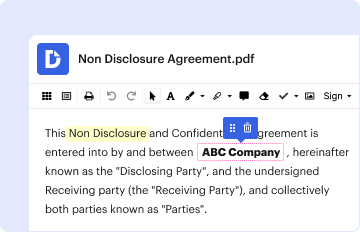
Type text, add images, blackout confidential details, add comments, highlights and more.

Type text, add images, blackout confidential details, add comments, highlights and more.
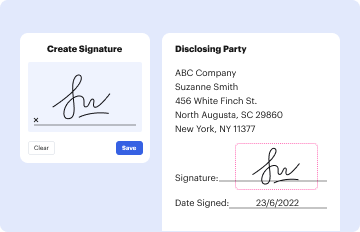
Draw your signature, type it, upload its image, or use your mobile device as a signature pad.
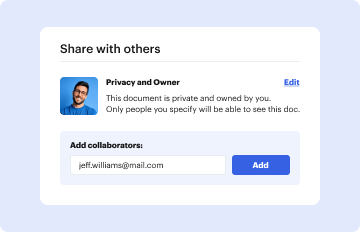
Send it via email, link, or fax. You can also download it, export it or print it out.
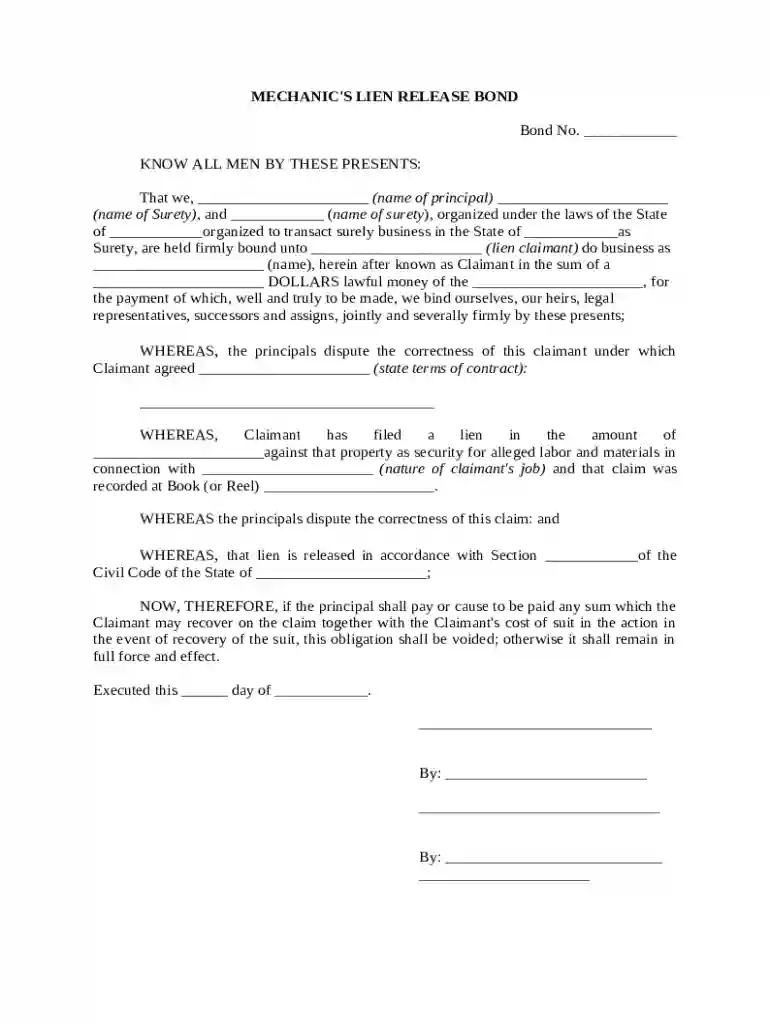
A Mechanic's Lien Release Bond is a financial instrument used to clear a mechanic's lien on a property. When a contractor, subcontractor, or supplier is not paid for services or materials, they may file a mechanic's lien. The release bond serves to discharge this lien, allowing the property owner to maintain a clear title while disputes concerning payment are resolved. By securing a bond, the owner affirms that they will address the payment issue.
To obtain a release bond, the property owner generally works with a surety bond company. The following steps are typically involved:
Research and Choose a Surety Company: Owners should compare terms and rates from different providers to find a competitive offer.
Application Process: Complete an application with details about the property, the lien claim, and financial information pertinent to the bonding company.
Underwriting Review: The surety assesses the risk and determines bond eligibility, factoring in the owner’s credit, financial stability, and the lien situation.
Issuance and Fulfillment: If approved, the owner pays a premium, and the bond is issued, effectively removing the lien from the property record.
Completing the bond involves several critical steps:
Gather Necessary Information: This includes details on the construction project, the original lien, and involved parties.
Application Submission: Use the gathered information to fill out the surety’s application form accurately.
Bond Issuance and Filing: Upon approval, file the bond with the appropriate county or state recorder’s office to officially release the lien.
Notify All Parties: Inform all relevant parties, including the holder of the original lien, that a release bond has been secured and filed.
The bond must be used in compliance with state law, which governs the specifics of liens and bonds. Typically, the bond amount must equal or exceed the lien’s amount by a legally defined margin, often 125-150%, to ensure coverage of potential court and legal fees. This ensures creditors are compensated, while also retaining legal protection for property owners.
Lienholder: The party entitled to file a lien due to unpaid debts.
Surety: The financial institution that issues the bond and guarantees payment if the principal defaults.
Principal: The property owner securing the bond to release a lien.
Obligee: The beneficiary, typically the lienholder, entitled to payment from the bond.
The primary users are property owners (individuals or entities) facing a mechanic's lien. These bonds are also frequently used by:
Contractors and Developers: Often required to manage liens on large construction projects to avoid delays.
Real Estate Investors: Those maintaining clear titles for sale or refinancing.
Homeowners: Especially those involved in significant home improvement projects facing payment disputes.


Bond Amount: Must adequately cover the lien cost plus a percentage for additional legal fees if required.
Expiration Terms: Duration for which the bond remains effective to clear the lien.
Coverage Details: Conditions under which the bond provides payment and protection to the obligee.
Each state has unique rules regarding lien release bonds:
Amount Calculations: Some states may require a specific percentage over the lien amount.
Filing Requirements: Differ in terms of documentation and filing locations.
Legal Disputes: States have varied processes for resolving disputes related to the bonded lien, influencing the bond's processing and enforcement.
By adhering to specific state laws, property owners can successfully navigate the requirements and remove a lien promptly.
At DocHub, your data security is our priority. We follow HIPAA, SOC2, GDPR, and other standards, so you can work on your documents with confidence.


