Definition & Meaning
The Non-Collusion Declaration Affidavit is a sworn statement asserting that a bidder has not conspired with competitors in relation to their bid or proposal. This affidavit provides assurance to the entity requesting bids that the submitting party has conducted its bid submission independently and without interference or manipulation. Such declarations are vital in maintaining the integrity of procurement processes, primarily within government contracts and other competitive bidding environments.
Importance of Non-Collusion Declarations
Non-collusion affidavits serve to uphold legal and ethical standards by preventing fraud and collusion in business transactions and bid submissions. They are especially critical in government contracts to ensure transparency and fair competition. The affidavit acts as a formal declaration under penalty of perjury, where the bidder affirms their independence and compliance with competitive bid rules.
Key Elements of the Non-Collusion Declaration Affidavit
Understanding the essential components of this document is crucial to completing it correctly:
- Identifying Information: Includes the name and address of the declarant, the business entity, and details about the project or bid they are submitting.
- Statement of Non-Collusion: The core section wherein the declarant attests to the lack of agreements or collaborations with other bidders regarding price-fixing or bid manipulation.
- Legal Affirmation: A sworn statement affirming the truthfulness of the declarations made in the affidavit, often before a notary or other authorized official.
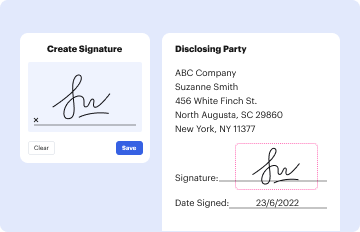
- Signature and Date: Signature of the declarant with the date to authenticate the document.
Legal Implications
Failure to adhere to the statements in the non-collusion affidavit can lead to severe legal consequences, including disqualification from the bidding process, legal action for fraud, and potential penalties under perjury laws.
How to Use the Non-Collusion Declaration Affidavit
Proper utilization of this affidavit involves several critical steps:
- Reviewing the Bid Requirements: Examine the solicitation or proposal requirements to understand when and how the affidavit must be submitted.
- Completing the Affidavit: Fill in all required fields accurately, ensuring adherence to any specific instructions provided by the requesting entity.
- Notarization: Have the affidavit notarized if required, ensuring the legal validity of the document.
- Submission: Submit the completed affidavit along with the bid or proposal by the specified deadline.
Tips for Accurate Completion
- Double-check all information for accuracy to avoid delays or disqualification.
- Understand the legal ramifications of making false declarations within the affidavit.
- Secure a copy of the completed affidavit for your records.
Steps to Complete the Non-Collusion Declaration Affidavit
To ensure the affidavit is legally binding and compliant with all requirements, follow these steps:
- Gather Information: Collect all necessary information pertinent to your business and the specific bid, including business details and bid solicitation number.
- Fill Out the Form: Enter your information in designated spaces, including affirming the non-collusive nature of your bid.
- Review and Confirm Accuracy: Cross-verify all entries for completeness and correctness before proceeding to notarization.
- Notarize the Affidavit: Depending on jurisdictional requirements, sign the document in front of a notary public.
- File the Document: Submit the affidavit with your full bid package, following any specified formats or electronic requirements outlined by the agency.
Industries and Legal Entities Implications
Any industry engaging in public sector work or competitive bidding processes may require this affidavit, with specific applications among contractors, engineering firms, and consultancy entities seeking to maintain compliance with public procurement laws.
Legal Use of the Non-Collusion Declaration Affidavit
The affidavit's primary legal use centers around earnest declarations in accordance with competitive bidding standards, safeguarding against fraudulent practices. Specific laws vary by state but generally involve:
- Procurement Policies: Must conform with anti-collusion laws and regulations designed to promote fair competition.
- Legal Binding: Upon signing, the affidavit becomes a legally binding document, with any false information potentially resulting in criminal charges.
Practical Legal Scenarios
- Submission under a governmental tender requires strict adherence to non-collusive practices.
- Serving as evidence in legal disputes involving accusations of collusion or fraud by competitors or authorities.
State-Specific Rules for the Non-Collusion Declaration Affidavit
Different states may impose varying rules and requirements on the affidavit, making it essential to:
- Research State Laws: Each state may have unique stipulations surrounding non-collusion declarations that must be followed.
- Adapt to Localized Procedures: Conform to state-specific filing procedures, notarization rules, and any additional disclosures required.
Examples of Differences
- States like New York might demand additional affirmations related to state-specific anti-corruption laws.
- In California, notarization may require additional identification forms or witness signatures.
Penalties for Non-Compliance
Non-compliance with non-collusion affidavit requirements can entail severe sanctions:
- Disqualification from Bidding: Immediate exclusion from the procurement process.
- Legal Consequences: Risks of perjury charges leading to fines or imprisonment.
- Reputational Damage: Loss of credibility and trust within the industry, affecting future opportunities.
Addressing Non-Compliance
- Regularly update knowledge on statutory requirements to ensure adherence.
- Implement rigorous internal compliance checks before submitting any affidavit.
These comprehensive aspects ensure the thorough understanding and effective application of the Non-Collusion Declaration Affidavit in various professional and legal contexts.