Definition and Meaning of Liability Release for Diagnostic Testing Equipment
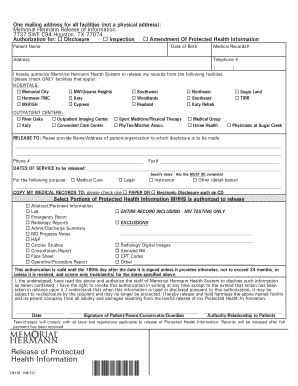
A Liability Release for Diagnostic Testing Equipment is a legal document that individuals or entities sign to waive liability claims related to the use of diagnostic tools. This release form protects the equipment owner against potential lawsuits stemming from equipment use, ensuring users acknowledge the risks involved. The document specifies the conditions and terms under which the equipment can be used and outlines the scope of liability that the user agrees to assume. Considering legal nuances is essential, as the document must meet state-specific legal standards within the United States.
How to Use the Liability Release for Diagnostic Testing Equipment
When utilizing diagnostic testing equipment, the liability release form must be completed to mitigate risks. Start by carefully reading the form to understand all terms and conditions. The user should then fill out any required personal and contact information fields, ensuring accuracy to avoid misunderstandings. At this point, the document should be meticulously reviewed by both parties involved—typically the user and the equipment provider. Each party should keep a copy for their records, which they may refer to in case of any future disputes or clarifications needed.
How to Obtain the Liability Release for Diagnostic Testing Equipment
To acquire a Liability Release for Diagnostic Testing Equipment, potential users can contact the provider or owner of the equipment directly. Many companies offer downloadable templates through their websites, while others may require an in-person visit to sign the form. Check the specific procedures of the equipment provider regarding how to obtain and complete the form, as it may vary. For online retrieval, ensure the source is reputable and that the document includes all relevant sections.
Steps to Complete the Liability Release for Diagnostic Testing Equipment
- Understand the Document: Thoroughly review the form to comprehend all obligations and rights.
- Fill in Personal Information: Accurately enter all required personal details such as name, address, and contact information.
- Identify Equipment Details: Specify the diagnostic equipment you will be using, including any identification numbers or unique identifiers.
- Acknowledge Risks: Carefully review the sections detailing the inherent risks of using the equipment and agree to any stated liabilities.
- Sign and Date: Sign and date the document, acknowledging that you have read and understood all terms.
- Obtain Provider’s Signature: Ensure that the equipment provider also signs the document.
- Retain a Copy: Both user and provider should keep copies of the completed form for their records.
Key Elements of the Liability Release for Diagnostic Testing Equipment
Key elements in the Liability Release for Diagnostic Testing Equipment include:
- Identification of Parties: Full names and contact details of both the equipment user and provider.
- Description of Equipment: Detailed information about the equipment being used.
- Assumption of Risk: Acknowledgment of the risks associated with using the diagnostic equipment.
- Waiver of Liability: Clear statements specifying what liabilities are being waived.
- Governing Law: Indication of the state laws that govern the agreement.
- Signatures: Authorized signatures from both user and provider, validating the agreement.
Legal Use of the Liability Release for Diagnostic Testing Equipment
Using the release form legally requires compliance with state standards and requirements. The form should be reviewed by a legal professional familiar with the specific jurisdiction where the equipment is used to ensure it is legally binding. Legal counsel might provide insights into any additional clauses needed or adjustments to meet local regulations. Keep in mind that for the form to be effective, all signees must voluntarily agree without any form of coercion.
Important Terms Related to Liability Release for Diagnostic Testing Equipment
- Waiver: The voluntary relinquishment of a known right, such as the right to sue for damages.
- Indemnity: Security against or exemption from legal responsibility for one's actions.
- Assumption of Risk: The process of accepting the potential risks involved in using the equipment.
- Exculpatory Clause: Contractual provision relieving one party of liability for damages.
- Negligence: Failure to take proper care in doing something, which in this context refers to improper use of equipment.
Examples of Using the Liability Release for Diagnostic Testing Equipment
Consider a racing team using specialized diagnostic equipment to test car performance. Before allowing team members to use the equipment, they would sign a liability release form covering any incidents resulting from improper use. Alternatively, a medical lab might require technicians to sign a similar form before utilizing shared diagnostic devices to prevent claims related to equipment faults or user error. These examples illustrate how liability release forms serve as vital instruments in environments where equipment risks are inherent.
The provided format and content offer a thorough examination of the Liability Release for Diagnostic Testing Equipment, ensuring users understand its importance and application.