



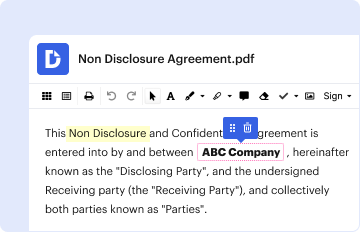
01. Edit your exhibit list online
Type text, add images, blackout confidential details, add comments, highlights and more.

Type text, add images, blackout confidential details, add comments, highlights and more.
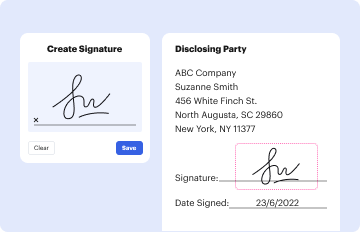
Draw your signature, type it, upload its image, or use your mobile device as a signature pad.

Send it via email, link, or fax. You can also download it, export it or print it out.
The Exhibit List Trial Form serves as a crucial document in legal proceedings. It is used to catalog all exhibits a party plans to present during a trial, ensuring an organized and systematic approach to evidence presentation. This form is integral in providing both the court and opposing parties with prior knowledge of the evidence that will be presented, facilitating a fair trial process. By clearly listing each exhibit, along with its description and identifier, the form minimizes surprise elements and aids in the efficient management of trial logistics.
To acquire the Exhibit List Trial Form, parties involved in a legal case can typically download it from the court’s official website or obtain it directly from the clerk's office of the court where the case is filed. Depending on jurisdictional preferences, digital or paper formats may be available. Lawyers often have access to these forms through legal databases or federal court systems. For pro se litigants, consulting the court’s self-help resources or legal aid organizations can provide guidance on how to access and effectively use the form.
Completing the Exhibit List Trial Form involves a series of structured steps to ensure accuracy and compliance:
The Exhibit List Trial Form is predominantly utilized by legal professionals such as attorneys and paralegals who are preparing cases for trial. It may also be used by self-represented litigants who are managing their own case without legal representation. In some cases, court personnel might reference these forms to keep track of evidence admissibility and trial flow. Legal teams within organizations, particularly those involved in litigation, also frequently interact with this form to ensure thorough documentation of all evidence.


The Exhibit List Trial Form consists of several key elements critical to its function:
These elements ensure that the form is comprehensive and facilitates thorough preparation and smooth trial proceedings.
The legal use of the Exhibit List Trial Form is governed by court rules to ensure transparency and fairness in legal proceedings. Parties must adhere to guidelines regarding the timeliness of submission and completeness. Non-compliance can often result in exhibits being excluded from the trial. Forms must be fully completed and submitted by the deadlines set by the court to maintain evidentiary integrity. In certain jurisdictions, supporting documents such as affidavits or declarations of authenticity may be required to accompany the form.
Many courts offer both digital and paper versions of the Exhibit List Trial Form to accommodate different filing preferences and technical capacities. The digital version allows for seamless submissions and easier modifications, enabling features like electronic signatures and document sharing within legal teams. Conversely, paper versions may still be favored in some jurisdictions, particularly where electronic filing systems are not yet fully implemented or accessible. Users should verify with their respective court the accepted formats to ensure compliance with submission standards.
Those filling out the Exhibit List Trial Form digitally may utilize document processing software that is compatible with formats like PDF, DOCX, or other universally accepted file types. Platforms like DocHub offer advanced editing and collaboration features, ideal for preparing and managing legal documents. Other software, such as Adobe Acrobat or Google Docs, also supports form completion and can facilitate any necessary collaborative reviews or edits. Ensuring file compatibility and secure document handling is key to maintaining the form’s integrity and usability in court proceedings.
At DocHub, your data security is our priority. We follow HIPAA, SOC2, GDPR, and other standards, so you can work on your documents with confidence.
(e) Exhibit list. Each party must maintain an exhibit list with the exhibit number and a brief description of each exhibit. If the exhibit is not filed, theRead more
Fill out this form as follows: 1. Fill in the Type of Proceeding, Name of Case, and Docket Number sections at the top of the form. 2. For each plaintiffsRead more


