



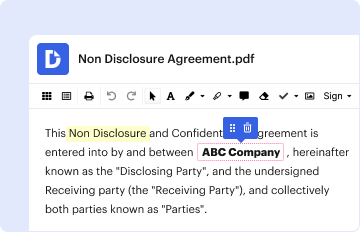
01. Edit your pa schedule t online
Type text, add images, blackout confidential details, add comments, highlights and more.

Type text, add images, blackout confidential details, add comments, highlights and more.
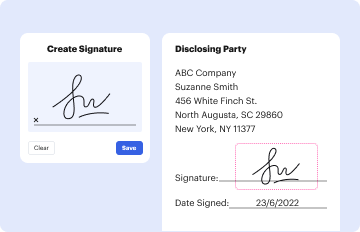
Draw your signature, type it, upload its image, or use your mobile device as a signature pad.

Send it via email, link, or fax. You can also download it, export it or print it out.
PA Schedule T Gambling and Lottery Winnings is a crucial component for individuals who have received earnings from gambling or lottery activities in Pennsylvania. This schedule is used to report the income derived from such activities and to ensure that the correct amount of tax is paid to the state. It is a supplemental form to the PA-40, which is Pennsylvania's state income tax return. Reporting on this form is necessary for maintaining compliance with state tax regulations, and it helps in providing a detailed account of winnings for both taxpayers and the state treasury.
To access the PA Schedule T Gambling and Lottery Winnings form, taxpayers have several options. It can be directly downloaded from the Pennsylvania Department of Revenue's official website, where it is often available in a PDF format for ease of use. Additionally, the form can be collected from local tax offices where state tax assistance is provided. For those who prefer digital solutions, most tax preparation software, such as TurboTax or QuickBooks, includes this form as part of their Pennsylvania tax package, enabling seamless acquisition and filing.
Gather Information: Collect all necessary data pertaining to your gambling and lottery winnings, including W-2G forms, betting slips, and receipts.
Fill Identification Details: Provide personal information, such as your name and Social Security Number, to associate the form with your tax return.
Enter Winnings Details: List all sources of gambling and lottery income. This includes amounts won and tax withheld, as detailed on your W-2G forms.
Calculate Taxable Income: Use the provided instructions to compute the total taxable income from gambling activities. This involves subtracting losses from total winnings.
Complete the Schedule: Follow the specific instructions for each line item on PA Schedule T to ensure all parts of the form are filled accurately.
Review and Submit: Double-check entries for accuracy and submit the form with your PA-40 state tax return. This can be done electronically or via mail as preferred.
The lawful usage of the PA Schedule T involves disclosing all gambling winnings as per state law to avoid tax evasion charges. Compliance with legal requirements includes accurately reporting both winnings and losses to ensure a fair calculation of taxable income. Failure to properly report can result in penalties, including fines and potential audits.
Pennsylvania has distinct regulations concerning gambling and lottery earnings. State-specific requirements mandate that all gambling winnings are reported, regardless of the amount, if income taxes were withheld. This is unlike federal guidelines, which have higher thresholds for reporting winnings.
The due date for filing Form PA Schedule T coincides with the state tax deadline, which is typically April 15th each year. It's vital to meet this deadline to avoid late fees and interest charges. However, if the date falls on a weekend or holiday, the deadline extends to the next business day. Taxpayers should ensure timely submission to maintain compliance.
To complete the PA Schedule T, taxpayers need specific documents, including:
The PA Schedule T aligns with federal regulations as outlined in IRS guidelines for gambling winnings. This includes the reporting of all gambling proceeds and deductions reserved for documented losses. Taxpayers should ensure they comply with these federal standards to facilitate holistic tax responsibility and avoid discrepancies between state and federal tax filings.
At DocHub, your data security is our priority. We follow HIPAA, SOC2, GDPR, and other standards, so you can work on your documents with confidence.
Use PA-40 Schedule T to report gambling and lottery win- nings as well as the costs for any gambling and lottery wa- gering of the taxpayer and/or spouse.Read more
Mar 24, 2019 Gambling and Lottery Winnings. Complete and submit PA Schedule T. Add only the positive income amounts from Lines 1c, 2, 3, 4, 5, 6, 7 and 8.


