




Definition and Purpose of the 15 Day Eviction Notice Template
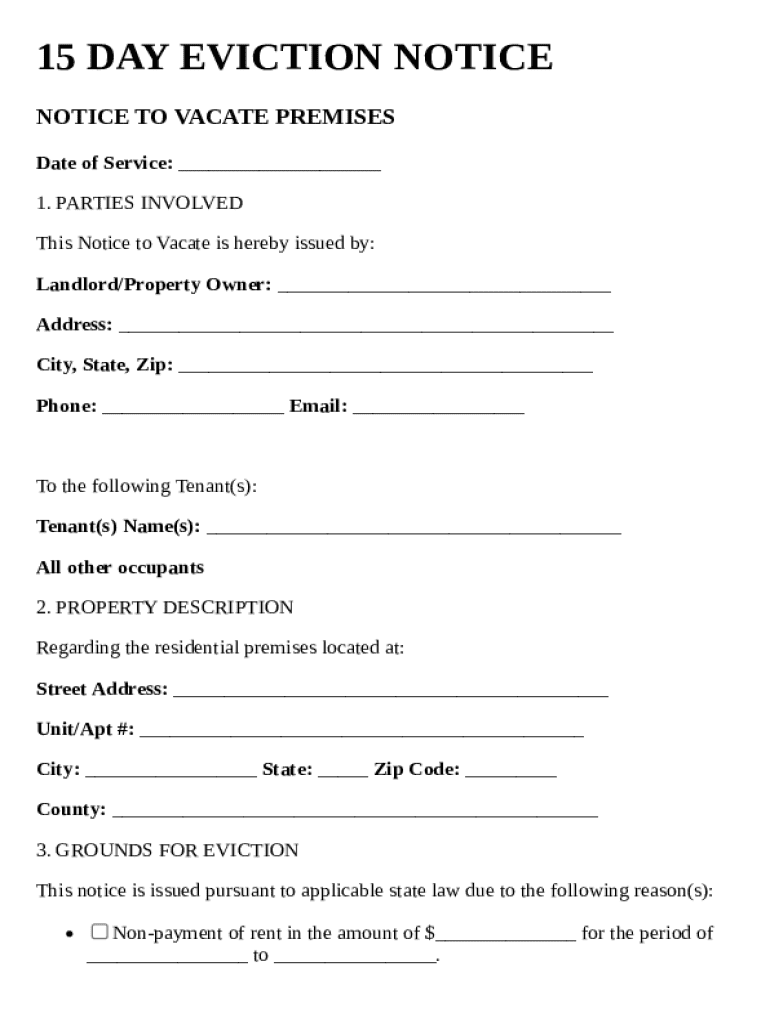
This template serves as a formal notification provided by landlords to tenants, indicating the intent to initiate eviction proceedings. It is primarily used when tenants breach lease agreements, such as failing to pay rent or violating other lease terms. The notice is a legally recognized document that stipulates a 15-day timeframe for the tenant to either rectify the breach or vacate the property. This period gives tenants a last opportunity to comply with the terms or prepare for relocation.
How to Use the 15 Day Eviction Notice Template
To effectively utilize this template, landlords need to fill in all relevant fields accurately. Important information includes tenant's details, property address, reasons for eviction, and deadline for compliance. It's essential that landlords adhere to exact legal specifications, ensuring that the notice meets jurisdictional requirements. This often involves personal handover to the tenant or using verified mailing systems to confirm the notice's receipt.
Steps to Complete the 15 Day Eviction Notice Template
- Identification of Parties: Start by clearly stating the name of the landlord and tenant, along with the property address.
- Reason for Eviction: Specify the grounds for eviction, such as nonpayment of rent or lease violations.
- Deadline for Compliance: Include a precise date by which the tenant must remedy the situation or leave the premises.
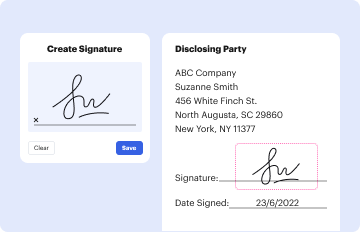
- Signature Section: The landlord must sign and date the notice, ensuring it's legally binding.
Key Elements of the 15 Day Eviction Notice Template
- Tenant Information: Full name and current address.
- Landlord Details: Name and contact information of the landlord or property manager.
- Description of Lease Violation: A detailed account of the specific lease breaches.
- Remedial Actions Required: Clear instructions on how tenants can resolve the issues.
- Legal Implications: Statement highlighting potential legal actions if the notice is ignored.
Legal Use of the 15 Day Eviction Notice Template
The template is crucial for complying with legal eviction processes. It’s integral to ensure the notice adheres to state laws, which can have specific requirements regarding wording, notice periods, and delivery methods. Failure to comply with these laws can result in delays or dismissals of eviction cases in court, emphasizing the need for accuracy.
Who Typically Uses the 15 Day Eviction Notice Template
This template is typically utilized by property managers, landlords, and real estate attorneys. Each of these parties has a vested interest in maintaining adherence to lease agreements and ensuring tenants fulfill their contractual obligations. Entities managing large numbers of rental properties may standardize this process to streamline operations.


State-Specific Rules for the 15 Day Eviction Notice Template
Different states in the U.S. may have specific regulations governing notice periods, acceptable reasons for eviction, and methods of delivery. Landlords are advised to familiarize themselves with local legislation to ensure compliance. Some states may require a longer notice period or additional documentation, affecting how the template is utilized.
Important Terms Related to the 15 Day Eviction Notice Template
- "Tenant": The individual occupying a rental property under a lease agreement.
- "Landlord": The owner or agent responsible for managing the rental property.
- "Breach of Lease": Violation of terms outlined in the leasing agreement.
- "Cure or Quit": An ultimatum provided in the notice, allowing tenants to rectify their breach or vacate.
Examples of Using the 15 Day Eviction Notice Template
- Example 1: A tenant consistently fails to pay rent on time. The landlord issues a 15-day notice, specifying payment of outstanding balances as a requirement to avoid eviction.
- Example 2: A tenant violates lease terms by having unauthorized roommates. The notice requires the tenant to resolve the issue to remain on the property.
Differences Between Digital and Paper Versions
The digital version of this template allows landlords to fill and deliver notices electronically, provided that such a method is legally recognized in their jurisdiction. The paper version, often seen as more traditional, may be necessary in regions where digital communications are not legally valid for eviction notifications. Both versions serve the same purpose but offer different logistical benefits depending on the situation.