




01. Edit your form online
Type text, add images, blackout confidential details, add comments, highlights and more.

Type text, add images, blackout confidential details, add comments, highlights and more.

Draw your signature, type it, upload its image, or use your mobile device as a signature pad.

Send it via email, link, or fax. You can also download it, export it or print it out.
The Freedom of Information Act (FOIA) Request Form is a critical tool used by individuals to access federal agency records. Under the U.S. Freedom of Information Act, any person has the right to request access to federal agency records or information, except to the extent that the records are protected from disclosure by any of nine exemptions or by one of three special law enforcement record exclusions. This form serves as a formal request mechanism to obtain documentation or data from government entities that operate under the purview of FOIA, fostering transparency and accountability within governmental operations.
Using the Freedom of Information Act Request Form requires a focused and clear approach to specify the information you seek. Here is a step-by-step guide:
Clear Identification of the Record: Clearly state what record or information you are requesting. Be as specific as possible to ensure the agency can efficiently locate the desired document.
Agency Selection: Identify and specify the federal agency that holds the records you seek. Some agencies have their own forms or procedures, so it's important to follow their guidelines explicitly.
Your Contact Information: Include your full name, address, phone number, and email so the agency can contact you if there are questions about your request or to deliver the information.
Fee Agreement: Indicate if you are willing to pay applicable fees. Many agencies charge fees for search time and duplication, although waivers may be available for certain requests that contribute significantly to public understanding of government operations.
Submission Method: Decide how you will submit your request—either via mail, online, or in-person—based on the agency's accepted practices. Keep a copy of your request for your records.
Obtain the Form: There are multiple ways to get this form. You can often find a downloadable version on the website of the federal agency you are requesting information from.
Fill Out the Form: Provide your personal information and a detailed description of the records you need. Use clear, precise language to avoid any ambiguities.
Review for Accuracy: Double-check that all the information is correct and make sure the description of the requested data is clear and specific.
Fee Estimate: Consider providing a limit to the amount of fees you are willing to pay, or request a fee waiver. This will help the agency process your request without unnecessary delays.
Send the Request: Send the completed form to the designated FOIA officer of the agency. Most agencies provide contact information for their FOIA office on their website.
Track the Status: After submission, follow up with the agency to track the progress of your request. Agencies are required by law to respond within a specific time frame, typically 20 business days.
The FOIA Request Form is commonly used by journalists, researchers, attorneys, and citizens interested in governmental transparency. Specific businesses and non-profit organizations may also use these forms to gather data pertinent to their work or advocacy.


The legal framework around the request form is governed by the Freedom of Information Act itself. This federal law mandates disclosure of information and records controlled by U.S. government agencies, ensuring that the public can remain informed about governmental operations.
Request forms can typically be submitted through multiple channels:
Each method has its processes, and selection often depends on urgency and the agency's capabilities.
At DocHub, your data security is our priority. We follow HIPAA, SOC2, GDPR, and other standards, so you can work on your documents with confidence.



Jan 27, 2026 Alert: Effective January 22, 2026, all Freedom of Information Act (FOIA)/Privacy requests for USCIS records should be submitted online.Read more
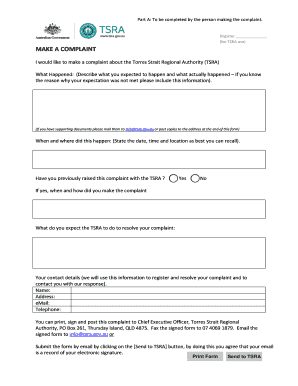
This site can help you determine if filing a FOIA request is the best option for you and help you create your request when youre ready.Read more
Jan 22, 2021 FOIA requests submitted through Muckrock can be accessed here. This letter constitutes a request under the federal Freedom of Information Act (


