Definition & Meaning
The Texas residential lease application is a formal document used by landlords and property managers to screen potential tenants before renting a residential property. This application gathers important personal, financial, and rental history information from each applicant to assess their suitability as a tenant.
Key Components
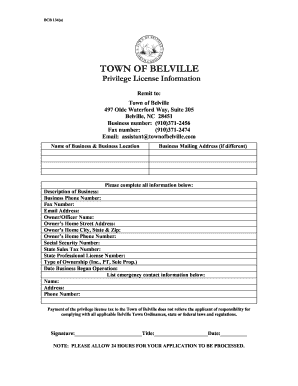
- Personal Information: Collects the applicant's name, contact details, and Social Security number for identity verification.
- Employment Details: Includes current employment information to ascertain financial stability.
- Rental History: Details of previous residences to evaluate tenant reliability.
- References: Provides personal and professional contacts for character assessment.
Purpose and Importance
The Texas residential lease application is crucial for ensuring that landlords select trustworthy tenants. It helps minimize risks associated with renting, such as payment defaults or property damage, by offering insights into an applicant’s rental habits and financial responsibility.
How to Use the Texas Residential Lease Application
When preparing to use this application, landlords and property managers must understand how to collect and analyze applicant information effectively.
Collection Process
- Distribute the Form: Make the form available to potential tenants either online or in paper format.
- Request Comprehensive Information: Ensure all sections are filled out completely by the applicant.
Review and Assessment
- Financial Evaluation: Analyze income and employment details to confirm the applicant can afford the rent.
- Background Check: Conduct checks for credit scores, criminal records, and rental history to identify any red flags.
By following these steps, landlords can make informed decisions about granting tenancy.
How to Obtain the Texas Residential Lease Application
Available Sources
- Online Platforms: Many legal document websites offer downloadable versions of the lease application.
- Real Estate Offices: Property managers and real estate agents typically have access to standardized forms.
- Legal Advisors: Attorneys can provide customized versions tailored to specific property needs.
Download and Print
For ease of use, the application can be downloaded in PDF format for electronic completion or printed for manual filing.
Steps to Complete the Texas Residential Lease Application
Information Entry
- Personal and Contact Details: Applicants must fill in their full name, phone number, and address.
- Employment and Income Information: Accurate details of current job status and monthly income should be provided for financial stability assessment.
Final Steps
- Review: Double-check all entered information for accuracy and completeness.
- Submit: Hand over the completed application to the landlord or property manager.
Important Terms Related to the Texas Residential Lease Application
Understanding terminology associated with the lease application can aid both applicants and landlords.
Typical Terms
- Applicant: The individual applying for tenancy.
- Lease Agreement: The contract that follows a successful application process.
- Guarantor: Person responsible for the lease obligations if the tenant defaults.
- Security Deposit: A financial payment required to cover potential damages or defaults.
These terms are used throughout the application process and subsequent lease agreements.
Legal Use of the Texas Residential Lease Application
The application must comply with state and federal laws, ensuring fair treatment and nondiscrimination.
Compliance Guidelines
- Fair Housing Act: Requires unbiased consideration regardless of race, color, religion, sex, or national origin.
- Privacy Laws: Protect applicants’ sensitive information during and after the application process.
Landlords should acquaint themselves with these laws to prevent legal disputes.
Key Elements of the Texas Residential Lease Application
Essential Components
- Tenant Information Section: Includes personal and rental history.
- Financial Disclosure: Details about income sources and financial obligations.
- Signature and Agreement: Legal consent for background checks and application terms.
These elements are necessary for compiling a comprehensive applicant profile.
State-Specific Rules for the Texas Residential Lease Application
Texas has specific regulations governing lease applications that must be followed to ensure legal compliance.
Important Rules
- Application Fee Regulations: Texas allows landlords to charge application fees, but they must comply with local limits and disclosures.
- Deposit Handling: There are specific rules regarding the handling and return of security deposits in Texas.
Being familiar with these state-specific nuances helps both landlords and tenants navigate the rental process more effectively.