



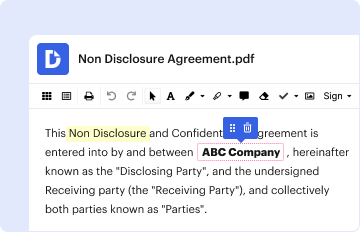
01. Edit your form online
Type text, add images, blackout confidential details, add comments, highlights and more.

Type text, add images, blackout confidential details, add comments, highlights and more.
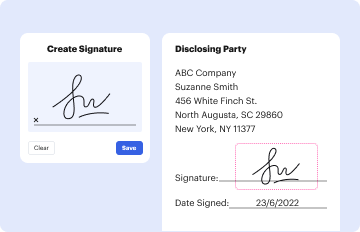
Draw your signature, type it, upload its image, or use your mobile device as a signature pad.

Send it via email, link, or fax. You can also download it, export it or print it out.
The AustralianSuper Binding Death Benefit Nomination Form is a legal document used to specify the beneficiaries who will receive the death benefit from an AustralianSuper account upon the account holder's passing. This form ensures that your superannuation benefits are distributed in accordance with your wishes, providing financial security to your nominated dependents or legal representative.
Using the AustralianSuper Binding Death Benefit Nomination Form effectively involves a clear understanding of its sections and completing it with accurate information.
Completing this form is vital for proper allocation of super benefits.
Several crucial components ensure the form fulfills its intended purpose.
Member Details: Essential for identifying your account.
Beneficiary Designation: specifies who receives the benefits and in what proportion.
Signature Section: Includes signatures from both the member and witnesses to validate the nomination.
Legal Compliance: Understand statutory requirements and limitations regarding nominees.
Proportion Allocation: Total allocation must sum to 100%.
The form is beneficial for a wide range of participants within the superannuation system.
Superannuation Members: Anyone with an AustralianSuper account who wishes to ensure their benefits are distributed per their instructions upon death.
Individuals with Dependents: Provides clarity and security for those financially responsible for others.
Trustees: For documenting who should receive benefits in the event of the member's death.
Estate Planners: Often used in conjunction with broader estate planning strategies to safeguard asset distribution.
Legal Advisors: Facilitate legal compliance and proper form completion.


Understanding the terminology used within the form is crucial.
Binding Nomination: A legally enforceable directive for superannuation funds on distributing benefits.
Non-Lapsing: A type of nomination that remains effective indefinitely until intentionally changed or revoked.
Dependents: Spouses, children, or any persons financially reliant on the member at the time of death.
Trustee: Entity responsible for ensuring the death benefits are disbursed according to the valid nomination.
Allocation: Percentage of the superannuation death benefit assigned to each beneficiary.
Legally, this form serves as a declaration of your death benefit distribution intent.
Trustee Obligations: Trustees are bound by law to uphold valid nominations during benefit dispersal.
Amendments: Must adhere to legal processes for altering or cancelling nominations to remain enforceable.
Regulatory Compliance: Must align with the Superannuation Industry (Supervision) Act requirements.
Limitations: Beneficiaries are limited to those classified as dependents or the legal estate.
Effective submission guarantees your nomination is recognized and actioned correctly.
Online Submission: Currently, submissions require mailing of physical forms due to witnessing requirements.
Mailing Instructions: Send completed forms to the designated AustralianSuper address for processing.
Verification: Track delivery to ensure successful receipt by AustralianSuper.
Timeframe: Allow processing time and confirm with the fund's contact center for peace of mind.
This in-depth guide on the AustralianSuper Binding Death Benefit Nomination Form is designed to equip you with the knowledge necessary to manage your superannuation benefits effectively, ensuring they reach your intended beneficiaries according to your wishes.
At DocHub, your data security is our priority. We follow HIPAA, SOC2, GDPR, and other standards, so you can work on your documents with confidence.
A land trust holds title to real estate on behalf of a beneficiary, often used for privacy or estate planning. It separates legal ownership from beneficialRead more
by A DYCK Cited by 37 Abstract. We model public pension funds that contract with investment managers and the resulting portfolio allocation and performance.Read more


