Definition & Meaning
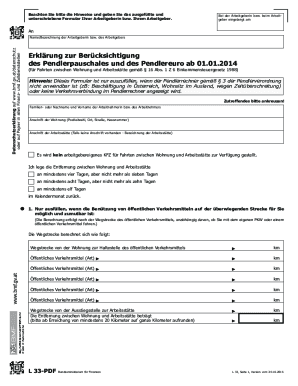
An Electrical Safety Certificate of Compliance is a document that verifies a property's electrical installations conform to applicable safety standards and regulations. It serves as a testament that the electrical systems in a building have been inspected by a qualified professional and found to be safe and compliant with established codes. This certificate is crucial for ensuring electrical safety, preventing potential hazards such as electrical fires and shocks. Moreover, it serves as a formal record that confirms adherence to legal and safety requirements, thereby protecting property owners and occupants.
Importance of Electrical Safety Certificates
- Safety Assurance: Provides peace of mind that the electrical systems are safe and reduce the risk of accidents.
- Legal Compliance: Fulfills regulatory obligations and ensures compliance with local and national safety standards.
- Property Transactions: Often required in real estate transactions to certify the safety of electrical installations.
- Insurance: May be necessary for securing or renewing property insurance.
How to Use the Electrical Safety Certificate of Compliance
The Electrical Safety Certificate of Compliance is used by various stakeholders, including homeowners, contractors, and regulatory authorities, to verify and document electrical safety. Here’s how it is typically used:
- Inspection Record: Acts as proof of inspection by a licensed electrician, providing a record of safety compliance.
- Legal Requirement: May be required to submit the certificate to local building authorities as part of compliance documentation.
- Real Estate: Presented during the sale or leasing of a property to assure potential buyers or tenants of electrical safety.
- Insurance Documentation: Used to fulfill requirements for property insurance, as insurers often require evidence of electrical safety.
How to Obtain the Electrical Safety Certificate of Compliance
To obtain an Electrical Safety Certificate of Compliance, a property must undergo an inspection conducted by a certified electrician or an authorized inspection body. The procedure typically involves the following steps:
- Hire a Certified Electrician: Select a licensed and qualified electrician familiar with your local regulations.
- Conduct the Inspection: The electrician will inspect various aspects of the electrical system, including wiring, circuit breakers, and electrical panels.
- Identify Non-Compliance and Issues: If any issues are detected, they should be rectified before the certificate is issued.
- Receive the Certificate: Once the system passes the inspection, the electrician will issue an Electrical Safety Certificate of Compliance.
Document Checklist
- Previous inspection records, if available
- Building plans or electrical layout details
- Any relevant permits or approvals
Steps to Complete the Electrical Safety Certificate of Compliance
Completing the Electrical Safety Certificate of Compliance involves several critical steps to ensure all safety standards are met.
- Initial Assessment: Conduct a thorough review of the property’s electrical systems.
- Inspection: Perform a detailed inspection of all electrical components for compliance with safety codes.
- Rectification: Address any identified issues concerning safety and non-compliance.
- Documentation: Compile inspection findings, including photographs and notes, into a comprehensive report.
- Certificate Issuance: Upon successful inspection, issue the certificate validating compliance with all required standards.
Why Should You Obtain the Electrical Safety Certificate of Compliance
Obtaining an Electrical Safety Certificate of Compliance offers several key advantages:
- Safety: Ensures that electrical installations are safe for use, preventing potential accidents and injuries.
- Regulatory Requirement: Many regions mandate certificates as part of building and safety regulations.
- Economic Protection: Helps in avoiding costly fines associated with non-compliance or electrical malfunctions.
- Property Value: Providing proof of safety compliance can enhance a property’s marketability.
Who Typically Uses the Electrical Safety Certificate of Compliance
Various stakeholders interact with and utilize the Electrical Safety Certificate of Compliance:
- Homeowners: To ensure their homes are safe and compliant with electrical regulations.
- Property Managers: For maintenance and safety assurance in commercial or multi-unit residential properties.
- Real Estate Agents: As part of property sales or lease due diligence.
- Construction Firms: To certify new constructions or renovations meet safety standards.


Key Elements of the Electrical Safety Certificate of Compliance
Critical elements that are typically included in the Electrical Safety Certificate of Compliance:
- Inspector Details: Information about the electrician or inspection authority, including licensing credentials.
- Date of Inspection: The specific date when the inspection took place.
- Property Information: Address and description of the property inspected.
- Inspection Findings: Results and any stated recommendations or required actions.
- Compliance Statement: A declaration of conformity with applicable regulations.
State-Specific Rules for the Electrical Safety Certificate of Compliance
Regulations surrounding the Electrical Safety Certificate of Compliance can vary by state. Here's a general overview:
- California: Requires certification for both new installations and older homes undergoing significant upgrades.
- Texas: Often necessitates compliance certificates before property sales or new tenancy agreements.
- New York: Enforces strict compliance for commercial properties and large residential buildings.
Considerations for Compliance
- Familiarize yourself with local codes and legislation.
- Ensure inspections are conducted by a licensed professional recognized by the respective state authority.