01. Edit your form online
Type text, add images, blackout confidential details, add comments, highlights and more.

Type text, add images, blackout confidential details, add comments, highlights and more.

Draw your signature, type it, upload its image, or use your mobile device as a signature pad.

Send it via email, link, or fax. You can also download it, export it or print it out.
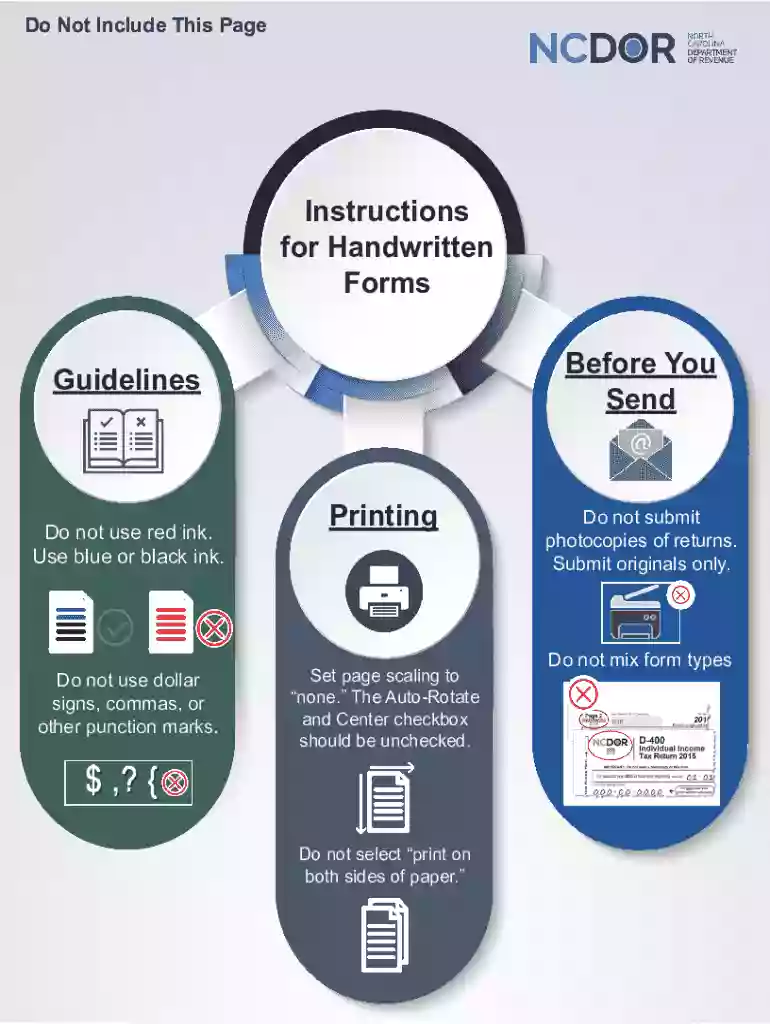
The "Do Not Select Print On" form primarily serves as an instruction or guide, often related to document formatting or printing preferences within digital platforms. It acts as a directive aimed at ensuring specific sections or elements of a document should not be selected for printing. This directive helps optimize the document's appearance and utility by excluding irrelevant or non-essential parts from the final printout. By understanding the intent behind this instruction, users can manage their printing tasks more effectively, minimizing waste of resources like ink and paper while ensuring essential content is preserved accurately.
Identify the Sections or Elements:
Prepare the Document:
Adjust Print Settings:
Preview and Verify:
Execute Printing:
Adhering to the "Do Not Select Print On" instruction is critical for several reasons:
Understanding the key components involved in this instruction is crucial:
This form is utilized by a variety of professionals and entities, including:
Though generally applicable across various domains, certain states or institutions may have specific rules regarding document preparation and printing:
When dealing with the "Do Not Select Print On" directive, consider the pros and cons of digital versus paper versions:
Digital Versions:
Paper Versions:
Understanding these elements can help users appropriately navigate printing tasks, ensuring efficiency and compliance across various scenarios.
We've got more versions of the Do not select print on form. Select the right Do not select print on version from the list and start editing it straight away!
| Versions | Form popularity | Fillable & printable |
|---|---|---|
| 2025 | 4.2 Satisfied (24 Votes) | |
| 2024 | 4.3 Satisfied (32 Votes) | |
| 2023 | 4.5 Satisfied (46 Votes) | |
| 2022 | 4.8 Satisfied (81 Votes) | |
| 2021 | 4.9 Satisfied (51 Votes) | |
| 2020 | 4.2 Satisfied (46 Votes) | |
| 2019 | 4.3 Satisfied (114 Votes) | |
| 2018 | 4.4 Satisfied (130 Votes) | |
| 2017 | 4.3 Satisfied (112 Votes) | |
| 2016 | 4.4 Satisfied (120 Votes) | |
| 2015 | 4.4 Satisfied (1630 Votes) | |
| 2014 | 4.4 Satisfied (71 Votes) | |
| 2005 | 4.4 Satisfied (581 Votes) |
At DocHub, your data security is our priority. We follow HIPAA, SOC2, GDPR, and other standards, so you can work on your documents with confidence.