Definition and Meaning of the Children's File Checklist
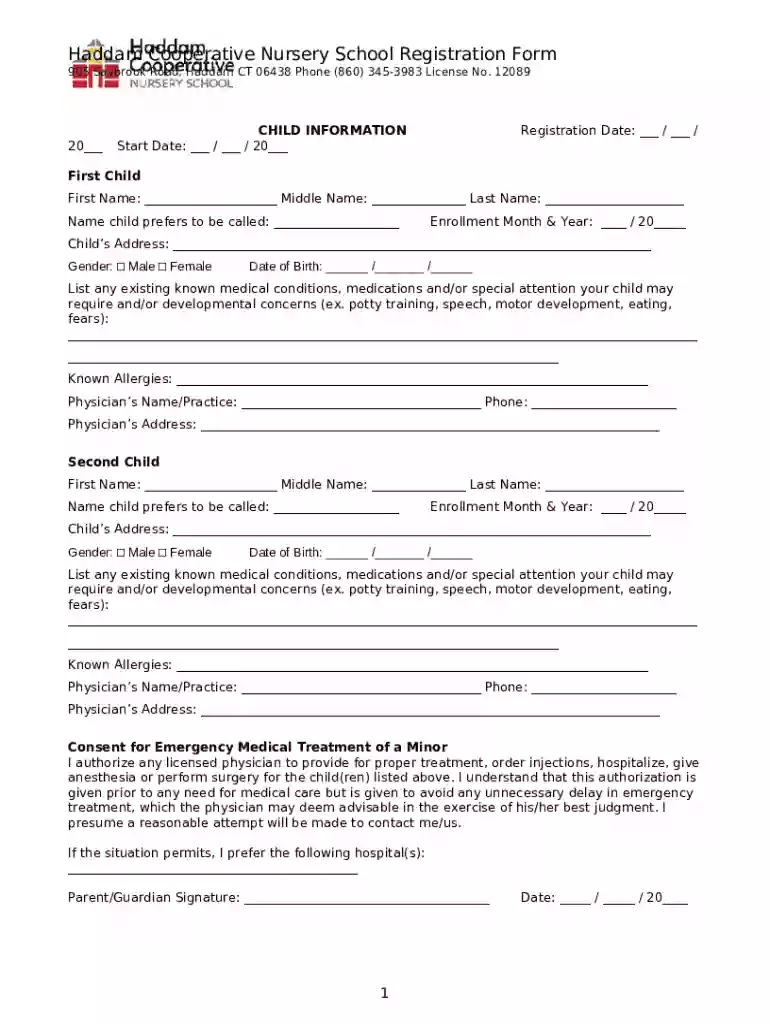
The Children's File Checklist is an essential document used by organizations to ensure that all necessary information and documentation concerning a child's enrollment and participation are collected and maintained. This checklist acts as a comprehensive guide, designed to help administrative staff and educators track valuable information relating to a child's health, education, and emergency contacts. By systematically organizing these details, the Children's File Checklist aids in complying with legal and organizational requirements, assuring both parents and institutions that each child's needs are adequately addressed.
Important Components of the Checklist
- Identification Details: Includes the child's full legal name, preferred name, date of birth, and contact details.
- Health Information: Contains vaccination records, allergies, and any specific medical conditions that require attention.
- Emergency Contacts: Lists primary caregivers and alternative contacts in case of emergencies.
- Enrollment Details: Documents the child's registration date, start date, and associated class or group information.
How to Obtain the Children's File Checklist
The Children's File Checklist is typically available through educational or childcare institutions. If you need to acquire this form, consider the following channels:
- Institution’s Website: Many schools and childcare centers provide downloadable forms on their official site.
- Administrative Office: Visit or contact the institution's administrative office to request a printed version.
- Online Portals: Platforms like DocHub might allow educational institutions to distribute digital forms, enabling easy import and management.
Steps to Complete the Children's File Checklist
Filling out the Children's File Checklist thoroughly is imperative to ensure your child's safety and well-being. Here is a structured approach:
- Gather Required Information: Collect all necessary details, such as emergency contact numbers, medical records, and proof of identity.
- Review Instructions: Carefully read any provided guidelines to understand each section’s requirements.
- Complete Each Section: Fill out each category accurately, ensuring there are no omissions or mistakes.
- Verification: Double-check entries for accuracy before submission, particularly contact and health details.
- Submit the Form: Choose a submission method that your institution prefers, such as online through DocHub, by mail, or in-person delivery.
Why Use the Children's File Checklist
The Children's File Checklist is crucial for several reasons, serving as a foundation for organized record-keeping and child safety measures:
- Compliance: Adheres to institutional and legal mandates for child safety and information management.
- Health and Safety: Provides pertinent health information to caregivers, ensuring prompt and effective responses to medical situations.
- Communication: Facilitates streamlined communication between parents and the institution by having updated contact information.
- Efficiency: Ensures that all essential data is available in one location, simplifying record maintenance and retrieval processes.
Who Typically Uses the Children's File Checklist
This checklist is utilized primarily by educational and childcare institutions, including:

- Preschools and Daycares: For managing young children’s records in a consistent manner.
- Primary and Secondary Schools: To maintain detailed files on enrolled students for both academic and safety purposes.
- After-School Programs: Ensures coordinators have access to important information about participating children.
Key Elements of the Children's File Checklist
Understanding the primary components can enhance accuracy and completeness in filling out the form:
- Parental Permissions: Sections might require authorizations for activities, field trips, or medical treatments.
- Insurance Information: May include details regarding health insurance coverage and policies.
- Developmental Assessments: In some checklists, institutions may request information on developmental milestones or special educational needs.
Legal Use of the Children's File Checklist
The checklist serves to comply with various legal standards and regulations that mandate record-keeping for childcare providers. It ensures that:
- Confidentiality Standards: Meets data protection laws by handling children's information securely and responsibly.
- Accountability: Provides a documented audit trail demonstrating compliance with educational and childcare guidelines.
Examples of Using the Children's File Checklist
Consider the following scenarios highlighting the practical application of the checklist:
- Emergency Situations: If a child becomes ill, having medical instructions readily accessible ensures timely and appropriate care.
- Parent-Teacher Meetings: The checklist provides a reference for discussing academic and social progress based on documented developmental records.
- Field Trips: The authorization section allows educators to quickly ascertain which children have permission to partake in off-campus activities.